



US senators demand Pentagon unblock $400 million in aid to Ukraine
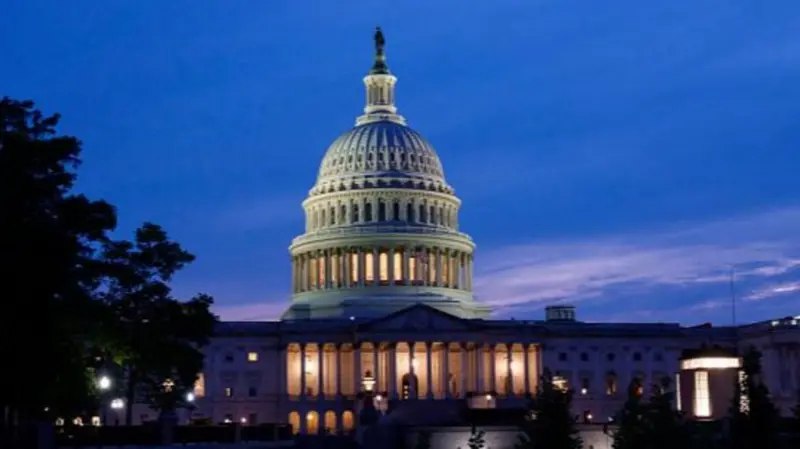
A bipartisan group of US senators has called on Defence Secretary Pete Hagset to immediately release $400 million in aid to Ukraine.
According to Censor.NET, this was reported by the AP.
The letter was signed by six lawmakers: Democrats Dick Durbin, Michael Bennet, and Catherine Cortez Masto, as well as Republicans Chuck Grassley, Kevin Cramer, and Tom Tillis. The funds were allocated by Congress last year, but the Pentagon has yet to transfer them to the recipients.
"Ukraine has been resolutely and courageously repelling the Russian onslaught for four years now – its army needs and deserves America’s continued support," reads a joint statement by Derbin and Grassi.
The Pentagon has failed to deliver on its promise of $400 million for Ukraine.
Earlier, Pentagon chief Hegset assured lawmakers during congressional hearings that $400 million for Ukraine had already been "released", and that a plan for the use of the funds would be submitted by 15 May. However, that deadline passed without any official results.
The senators stressed that the delay is a cause for particular concern against the backdrop of discussions regarding a possible reduction in the US military presence in Europe.
Dissatisfaction with the situation is also growing within the Republican Party. Senator Tillis publicly criticised US President Donald Trump’s advisers over decisions which, in his view, harm the party and prevent it from responding appropriately to Russia’s war crimes in Ukraine.
Several senators have also spoken out against the dismissal of the Chief of Staff of the US Army, General Randy George, who was actively studying the combat experience of the Ukrainian Armed Forces and the issue of adapting the army to drone warfare.
Congress is pushing for a new package of sanctions and aid for Ukraine
Meanwhile, in the House of Representatives, Democrats are pushing a bill that provides for new large-scale sanctions against Russia and the allocation of one billion dollars in military aid to Ukraine.
Although the prospects for its adoption remain uncertain at present, the initiative is increasing pressure on the US administration and forcing it to explain the reasons for the delay in already approved funds.
Lawmakers stress that even the relatively small sum of $400 million is of fundamental importance, as Congress has already approved these expenditures and the administration is obliged to implement the decision.
In addition, the Pentagon is also holding back $200 million earmarked for defence programmes in Estonia, Latvia, and Lithuania.


