



Enemy’s treacherous tactics: submunitions of "Iskander-M" missiles are now exploding with 30-minute delay
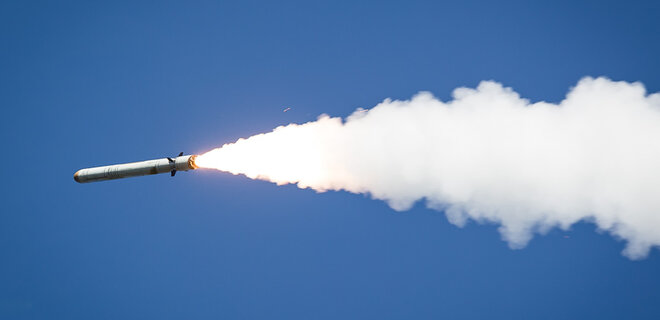
Russian occupation forces have upgraded their "Iskander-M" ballistic missile warheads by adding delayed-detonation mechanisms.
This was reported by the monitoring Telegram channel "eRadar," according to Censor.NET.
This innovation poses a deadly threat to civilians and emergency responders (rescue workers, medical personnel, police) who are the first to arrive at the impact site.
Mechanism of action and time interval
According to the monitoring channel, the cluster submunitions contained inside the missile scatter over hundreds of meters upon impact but do not explode immediately.
The detonation process of the cluster submunitions begins 20–30 minutes after the missile itself makes direct contact.
This time interval is calculated by the enemy solely to inflict maximum casualties on people during evacuation or the start of debris clearance.
Key safety rules during missile strikes
In light of this new threat, citizens are urged to strictly adhere to the following rules:
- Do not rush to the site of the explosion: even if it seems to you that the shelling has stopped, wait in a safe place.
- Avoid suspicious objects: small metal fragments (balls, cylinders, or cones) may be scattered within a radius of several hundred meters around the "Iskander" missile impact site and could detonate at any moment.
- Do not attempt to evacuate on your own past the debris: if you are in the surrounding area, wait for official instructions from the State Emergency Service or the police.
- Call 101 or 102: if you find any unknown debris, immediately call the specialists.


