



UAVs attacked oil refinery in Kstovo, Nizhny Novgorod region
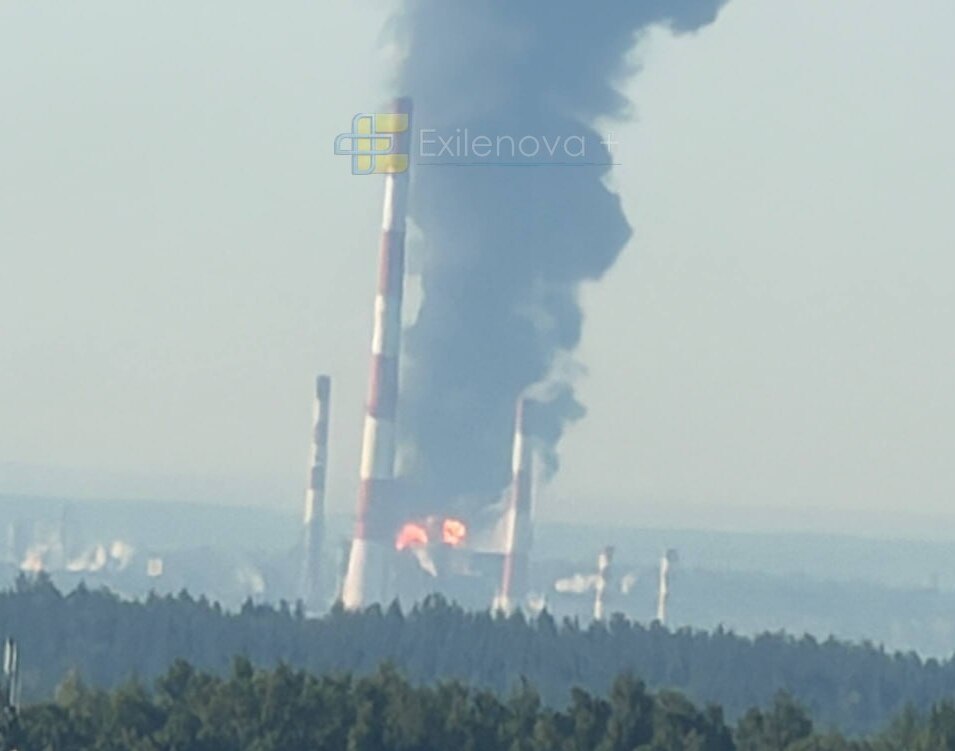
In the Nizhny Novgorod region, drones struck an oil refinery in Kstovo.
This was reported by Censor.NET, citing Russian Telegram channels and OSINT communities.
According to reports, the oil refinery in the town of Kstovo, owned by Lukoil-Nizhegorodnaftorgsintez, was hit.
This is not the first attack on this facility. Drones previously struck the Kstovo oil refinery in May this year.
Details of the extent of the damage and the possible consequences of the attack are currently being clarified.
The Kstovo oil refinery: what is known?
The Kstovo oil refinery (Lukoil-Nizhegorodnaftorgsintez LLC, also known as NORSI) is one of Russia’s largest oil refineries and a key facility for Lukoil. It is located approximately 15 km from Nizhny Novgorod.
- commissioned in 1958;
- it is one of Russia’s four largest oil refineries;
- has a refining capacity of around 16–17 million tonnes of crude oil per year (approximately 320,000 barrels per day);
- is one of the largest producers of petrol, diesel fuel, jet fuel, bitumen and lubricants in the Russian Federation.
The plant produces fuel, some of which is used to meet the needs of the Russian army and for military logistics. As a result, the plant has repeatedly been targeted by Ukrainian drones.
Previous attacks
In recent years, the Kstovo oil refinery has been struck on several occasions:
- March 2024 – following a drone attack, the AVT-6 primary processing unit was damaged, forcing the refinery to reduce or temporarily halt operations.
- 29 January 2025 – the Ukrainian General Staff confirmed that the facility had been hit; independent journalists geolocated the point of impact.
- April 2026 – New strikes were reported on the Kstova industrial zone, where the oil refinery and petrochemical plants are located.
- May 2026 – The Ukrainian General Staff reported that the AVT-6 primary oil refinery had been hit, resulting in a fire. Subsequently, Reuters, citing industry sources, reported that following the attack, the main unit, which accounts for more than half of the plant’s capacity, had been shut down.


