



Syrskyi is best general at operational-tactical level, but not at strategic level, - Butusov
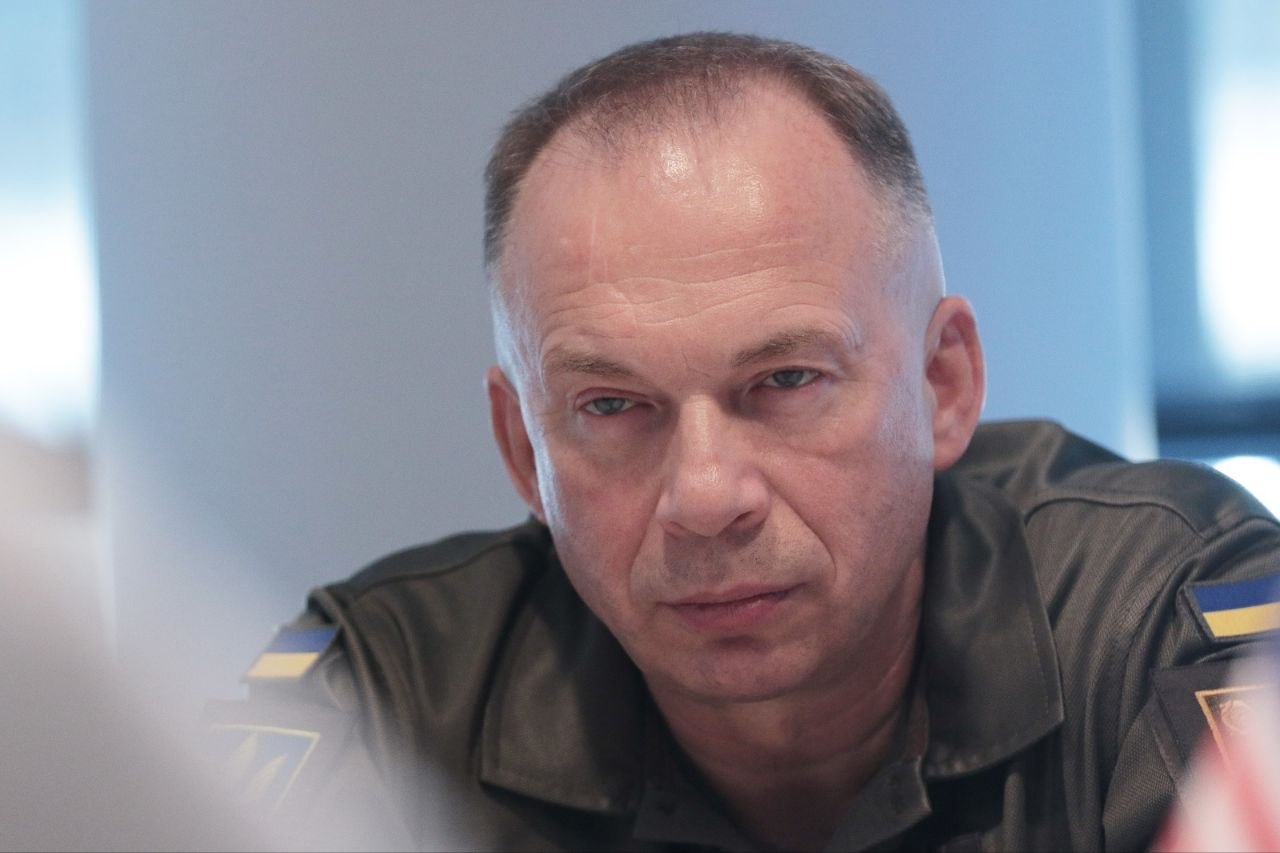
Oleksandr Syrskyi’s strengths lay in planning and conducting individual offensive operations; however, at the strategic level, he was unable to ensure effective defense and command of the Armed Forces of Ukraine.
This was stated by Yurii Butusov, commander of the UAV company of the 23rd Assault Regiment within the National Guard’s 2nd Corps "Khartiia," in an interview with journalist Iryna Romaliiska on the YouTube channel "Butusov Plus," according to Censor.NET.
Syrskyi’s achievements
"Among his achievements, I believe that, at the operational-tactical level, Syrskyi is undoubtedly the best general of this war on both sides of the front. Successful operations were carried out under his direct command. I would highlight three successful operations.
He commanded near Kharkiv in late April–early May 2022. Then there was the Balakliia breakthrough in September 2022. And the Kursk offensive in 2024," he noted.
These operations were indeed successful from the standpoint of offensive actions, Butusov believes.
However, there were also unsuccessful operations, he noted.
"For example, the attempt to encircle Bakhmut in 2023. The heavy fighting for Kozacha Lopan, the head-on attacks in 2022. The battles for Dementiivka, and so on. There were various operations. At the operational-tactical level, he is truly a man of intuition, willpower, and character," the commander said.
Syrskyi’s failures
"Syrskyi’s problems are strategic in nature. His role is not merely to conduct offensive operations, assemble troops, and launch assaults. The position of commander-in-chief requires strategic-level organization—planning and managing the armed forces to effectively organize the defense and halt the advance of the enemy.
Unfortunately, the results show that Syrskyi failed to halt the advance and organize a strategic defense," Butusov noted.
In his opinion, there are many reasons for this.
"Part of the problem is what Minister Fedorov said at his press conferences. It’s that we have this kind of micromanagement, which makes it difficult to plan and organize troops along a 1,200-kilometer front. There are certain problems with planning defensive operations. Because you have to understand that the commander-in-chief is not just someone who knows where the landing zones are and which platoon or observation post is stationed where.
First and foremost, he is the person who allocates resources and personnel to priority areas, who is responsible for combat readiness—that is, for the combat capability of the armed forces and every unit. There have been problems and complaints regarding this.
Assault regiments, heavy losses, territorial defense problems, a slew of scandals and issues. This has led to a buildup of negativity within the army. These constant changes in commanders, with as many as 7–8 commanders rotating through each brigade. Battalion commanders who are shuffled back and forth like gloves," he explained.
Certain chaotic moments in management and organization have created a rather critical attitude toward Syrskyi within the army, he concluded.


