



Ukrainian strikes on Russian refineries caused shortage of automotive lubricants: some items disappeared from sale
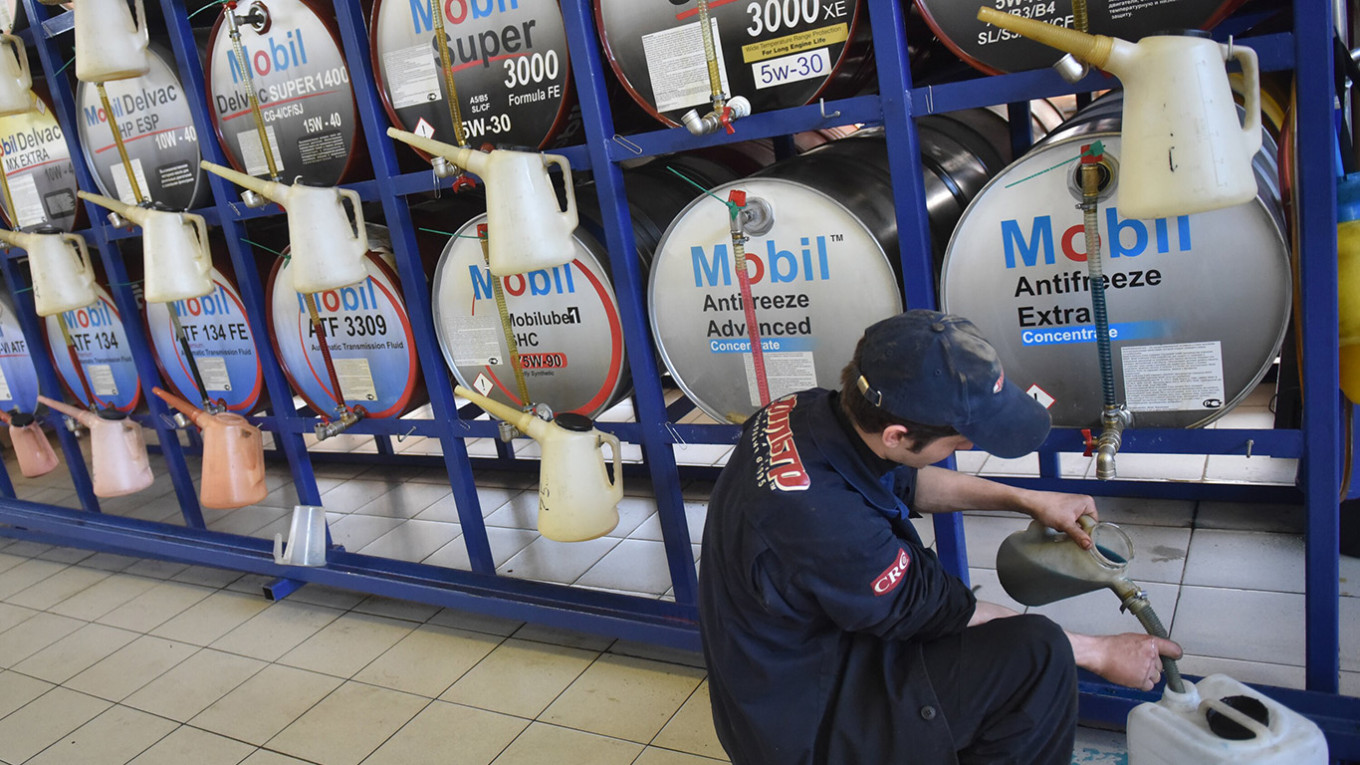
The Ukrainian drone strikes on Russian oil refineries have had yet another impact on the Russian domestic market. Following fuel shortages in the country, there is now a shortage of motor oils, and some popular products have disappeared from store shelves altogether.
According to Censor.NET, Russian media outlets, including The Moscow Times, report this, citing data from "Kommersant" and market participants.
Prices have risen 1.5 to 2 times, and deliveries can take weeks
Over the past two months, the cost of lubricants in the Russian Federation has risen by 1.5 to 2 times, and delivery times have increased from two days to two weeks, said Vladimir Andreev, a representative of the Fresh marketplace.
"There are no specific items of gear oil available at all—we buy from distributors whatever the manufacturers managed to ship earlier," he noted.
Participants in the Russian market attribute the shortage of domestic lubricants to unscheduled maintenance at refineries and limited availability of certain types of raw materials.
Imported additives needed for the production of lubricants also became a problem. As Andreev explained, the base materials for these additives were produced in Russia in sufficient quantities, but the additives themselves were traditionally imported from abroad.
At the same time, problems with imported components are not solely due to attacks on Russian oil refineries. Foreign shipments are also affected by logistical difficulties surrounding the Strait of Hormuz.
Fuel shortages are driving up demand for lubricants
There is also a shortage of finished imported products in Russia—primarily premium lubricants from Shell, Castrol, BMW, and VAG.
The fuel situation is creating additional pressure. According to Dmitry Prokofiev, director of external communications at NEFT Research, the use of "Euro-2" and "Euro-3" gasoline with high sulfur content is forcing motorists to change their oil 1.5 to 2 times more often.
Since the beginning of the year, automotive lubricants in Russia have generally risen in price by 15–20 percent, with some types increasing by as much as 40 percent. According to Fit Service, prices for imported products have doubled.
At the same time, market participants do not yet expect a shortage of lubricants on the same scale as the one already being observed in the Russian fuel market.


