



Private defense industry has surpassed public sector in terms of supply volumes, - Pashynskyi
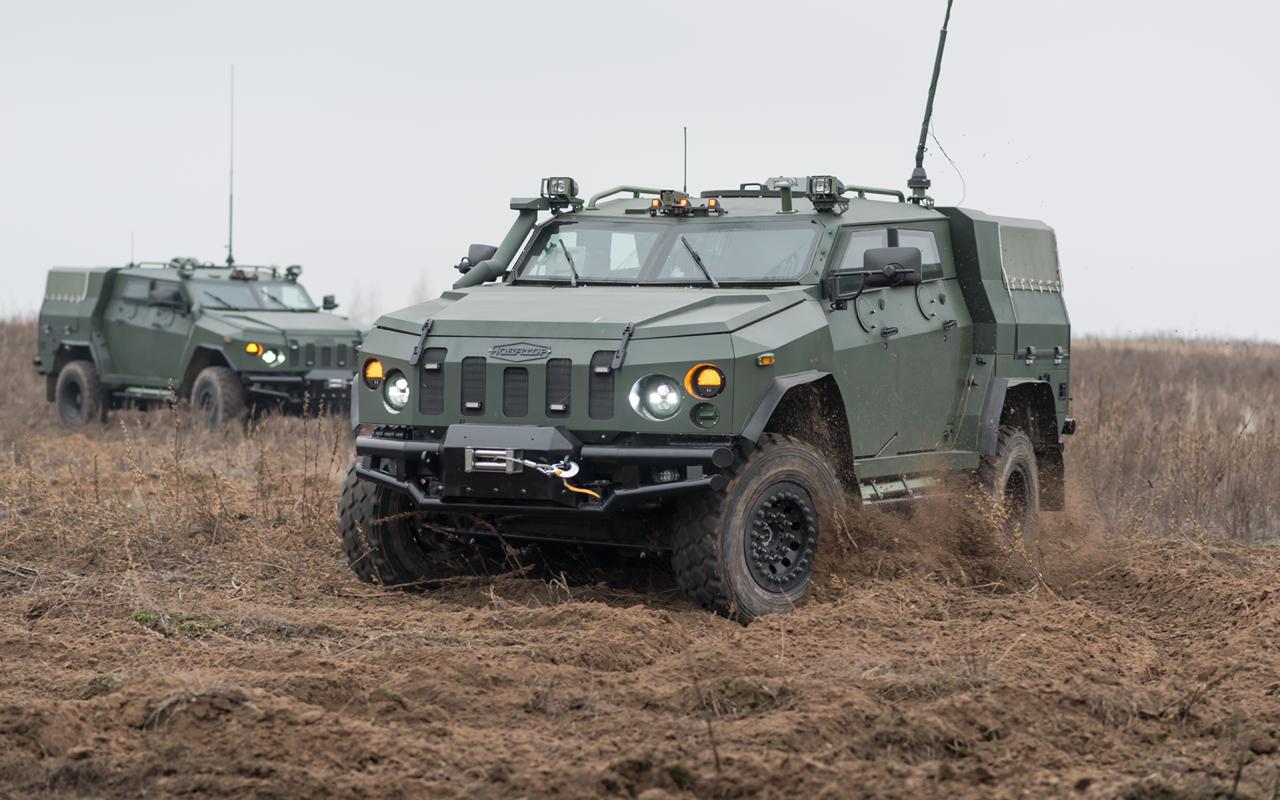
"None of Ukraine's ten largest defense companies are state-owned enterprises, and six or seven of them are members of the National Association of the Defense Industry of Ukraine (NAUDI)."
NAUDI Chairman Serhii Pashynskyi made this statement in a special feature by RBC-Ukraine, according to Censor.NET.
Details
According to his assessment, the Association's member companies are already significantly ahead of the public sector in terms of the volume of products supplied.
"Weapons shouldn't be produced only by the government. That's a fact," Pashynskyi emphasized.
The government has already invested more than 60 billion hryvnia in the fixed assets of the defense-industrial complex. The private sector has not received any of these funds, noted the head of NAUDI.
In early 2025, the production capacity of the Ukrainian defense industry was estimated at $35 billion per year. Current funding covers no more than one-third of this capacity. In the future, the industry’s capacity could grow to $60 billion, of which more than $35 billion will be accounted for by the production of long-range weapons.
Controlled exports could become a source of additional orders for the industry. Ukrainian companies that are members of NAUDI showcase their developments at international exhibitions, conduct negotiations with foreign governments and defense corporations, and establish joint ventures. However, a fully-fledged mechanism for arms exports has not yet been properly implemented.
The problem lies not only in the lack of a political decision, but also in complex and opaque regulations. Manufacturers lack clear procedures, deadlines, and criteria for obtaining permission to export products that are not needed to meet the current needs of the Armed Forces. As a result, companies are unable to plan production effectively, enter into long-term contracts, or attract foreign investment.
At the same time, controlled exports must take security constraints into account so as not to pose risks to Ukraine’s defense capabilities.
Implementing such a mechanism would make it possible to utilize idle production capacity, attract additional investment, and retain engineering and production teams. This refers to products that enterprises are capable of producing in excess of the volumes needed to meet the funded requirements of the Defense Forces.
Pashynskyi believes that Ukraine can offer its partners not only individual weapons systems, but also comprehensive security solutions: intelligence, software, operator training, the integration of various assets into a single system, and the continuous updating of tactics in response to new threats.
"In any normal defense contract, the cost of weapons and ammunition accounts for only 50 percent. The other 50 percent consists of training, implementation, and deployment. We can not only sell weapons but also share our experience in using them in real combat conditions," said NAUDI Chairman Pashynskyi.


