



Drapatyi meets with sergeants from front line: Key problems and ways to resolve them identified
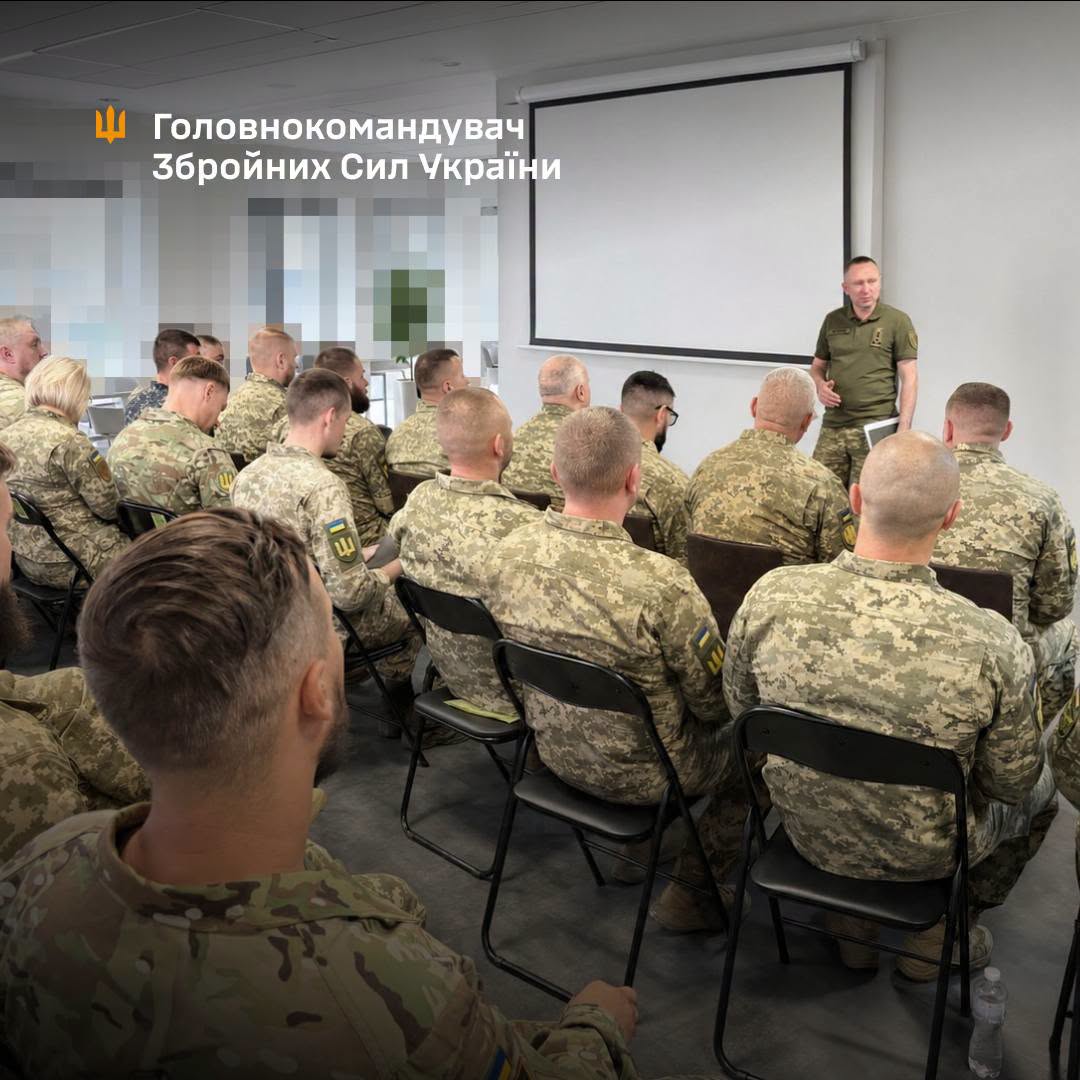
Commander-in-Chief of the Armed Forces of Ukraine Mykhailo Drapatyi met with senior enlisted leaders of the services, branches, corps and military command bodies. A checklist of issues was drawn up following a frank discussion.
The commander-in-chief reported this on social media, according to Censor.NET.
Dialogue with sergeants arriving from the front line
According to Drapatyi, most of the sergeants arrived directly from combat zones across different sectors of the front.
"So this meeting was not about theory. It was about the actual situation, combat experience, and the solutions troops need today. We frankly discussed how the non-commissioned officer (NCO) corps functions, systemic problems affecting its capabilities, ways to resolve them and prospects for NCO development during wartime. There was a great deal of constructive work: open discussion, tough questions, brainstorming and, most importantly, a search for specific procedures and actions that can and should be implemented right now," the commander-in-chief said.
The role of sergeants on the battlefield
He noted that the NCO corps performs critically important tasks. These extend beyond training soldiers and NCOs. Sergeants also need to help newly arrived service members adapt to combat zones, arrange their supplies, equipment, and living conditions, prepare them to deploy on combat missions and lead them out of positions, and directly command personnel in combat.
"Yesterday, a sergeant was a soldier himself. Today, he is a commander who is closest to the soldier and has the clearest view of the unit’s actual condition ‘on the ground’," Drapatyi said.
Key areas for reform
The commander-in-chief said the meeting resulted in a checklist of systemic issues in key areas:
- improving the structure of the NCO corps to strengthen its ability to perform tasks and create real career opportunities for sergeants with combat experience;
- expanding the authority attached to NCO positions and clearly dividing responsibilities between NCOs and commissioned officers;
- improving the quality of training for soldiers and NCOs, including developing the practice of training NCOs directly in areas where combat missions are carried out, and ensuring that NCOs promptly incorporate recent combat experience into soldier training at training centres;
- establishing clear procedures for appointments to NCO positions and promotions to NCO ranks, with transparent, understandable and fair processes that also apply during wartime;
- resolving pay issues for key NCO positions.
Drapatyi added that he had assigned specific tasks in each of the identified areas. Further steps and those responsible have also been determined.


