



Due to intensification of Russian shelling of Kramatorsk and Sloviansk, number of people wishing to evacuate has increased
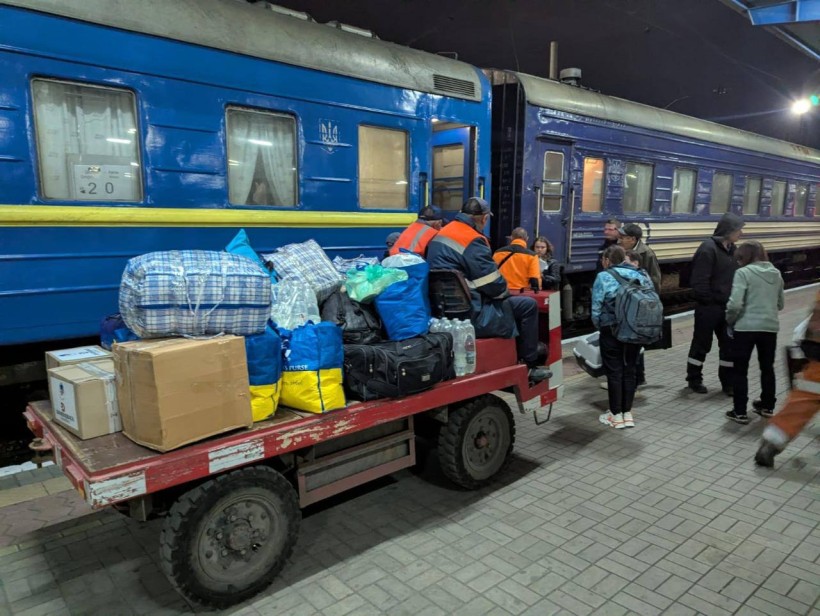
Following the intensification of Russian shelling of Kramatorsk and Sloviansk in the Donetsk region, the number of people wishing to evacuate has risen by approximately 10 per cent. At the same time, despite the intensity of the Russian Federation’s attacks, there has not yet been a massive increase in the number of people wishing to leave the dangerous areas.
Yevgen Tkachov, a representative of the ‘Proliska’ humanitarian mission in the Donetsk region, told journalists this, according to Censor.NET.
As noted, evacuation teams are currently mainly transporting elderly people, residents with reduced mobility and those who are unable to leave dangerous areas on their own.
Minibuses, ambulances and armoured vehicles are being used for this purpose. People from Kramatorsk and Sloviansk are being taken to the transit centre in Lozova, from where they can travel on to safer regions.
A separate medical evacuation has been organised – people in need of assistance are being transported by ambulance under the supervision of medical staff.
"Proliska" also provides targeted transport for families with children, along with their belongings. According to Tkachov, around 5–6 children and their parents are evacuated in this way every day.
The new armoured vehicle enables crews to travel into areas of Kramatorsk and Sloviansk, which are located closer to the front line. In the first week alone, one of the crews evacuated around 120 people, approximately two-thirds of whom had limited mobility.
Following evacuation, people are helped to find temporary or long-term accommodation. Elderly residents and those with reduced mobility may be accommodated in care homes, hospices, hospitals and other specialist facilities. Those who have nowhere to go immediately are temporarily housed at the transit centre in Lozova and are assisted with their subsequent rehousing.


