



Russia plans to build ’super-prison’ in occupied Kherson region: residents with pro-Ukrainian views may be sent there
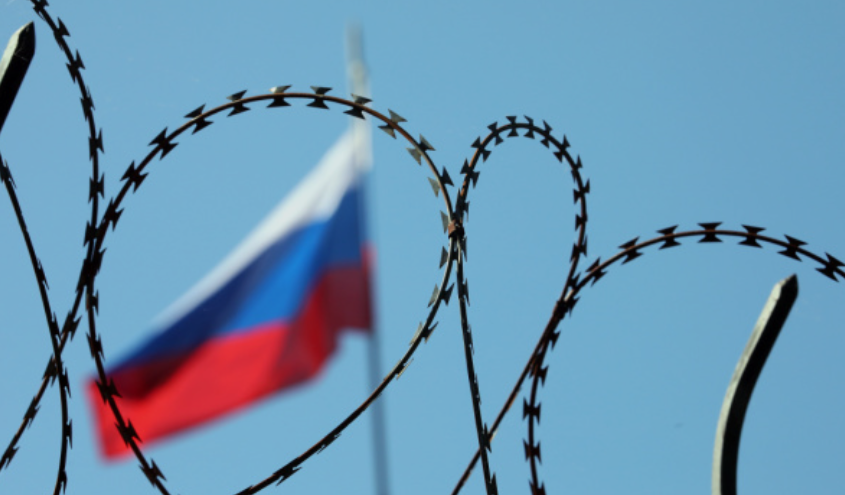
Russia plans to build a so-called ‘super-prison’ in the temporarily occupied part of the Kherson region – a large complex that will bring together remand centres and prisons of various security levels. This is taking place against a backdrop of systematic persecution by the occupying forces of pro-Ukrainian residents in the occupied territories.
This is reported by Russian media, citing the Russian Federation’s updated federal programme ‘Development of the Penal System’, according to Censor.NET.
It is reported that the Russian authorities plan to establish seven multi-purpose facilities under the Federal Penitentiary Service. The occupied part of Kherson region is listed among the areas where such complexes are to be built.
Each ‘super-prison’ can accommodate more than 20,000 people: 5,380 places are to be provided in remand centres, and a further 15,120 in penal colonies.
In addition to the occupied Kherson region, there are plans to establish similar complexes in Buryatia, the Trans-Baikal Region, and the Kaluga, Astrakhan and Tyumen regions of the Russian Federation. The Russian authorities plan to launch the first such facility in Tatarstan by 2030.
According to preliminary estimates, each complex will cost between 13 and 20 billion roubles. The Russian Ministry of Justice expects that merging remand centres and prisons will reduce the cost of housing prisoners by 25–30 per cent.
Plans to expand the prison infrastructure have emerged against the backdrop of an overall decline in the prison population in Russia. According to figures cited by the Russian media, there were around 465,000 people in Russian prisons at the end of 2021, and around 282,000 in 2026.
At the same time, in the temporarily occupied territories of Ukraine, Russian security forces are persecuting people who hold pro-Ukrainian views. Those subjected to repression include activists, representatives of Ukrainian authorities, law enforcement officers, military personnel, as well as civilians whom the occupiers accuse of aiding the Armed Forces of Ukraine, collaborating with Ukrainian security services or participating in the resistance movement.
In the Kherson region, cases of abduction, unlawful detention and torture of civilians have also been documented. The occupying authorities are also persecuting people who refuse to cooperate with the Russian administration or who openly express pro-Ukrainian views.


