



Putin says he is ready to resume talks with Ukraine in Istanbul, but Kyiv is "escalating situation"
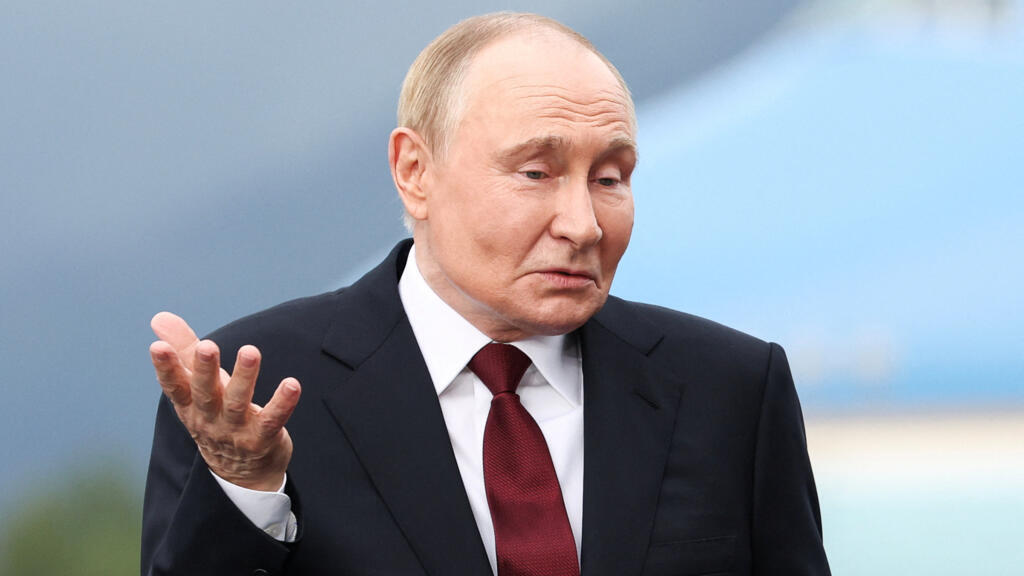
Russian dictator Putin claimed Russia had been ready to resume talks with Ukraine after the State Duma elections, but accused Kyiv of attempting a massive strike on Moscow and targeting polling stations. He threatened "further responses against infrastructure."
Russian media quoted his remarks, Censor.NET reports.
Talks with Ukraine
According to Putin, Ukraine broke off the talks in Istanbul but said a few weeks before the elections that it was ready to resume them.
"We did say that talks were unlikely to be possible before the State Duma elections and that we would be ready to resume those contacts afterward. But everyone is also well aware of what has happened recently. On the night of September 19–20, on voting day, an attempt was made to carry out a massive strike on Moscow. More than 1,600 drones reached what was effectively the Moscow area. That is the first point. The second is that strikes were carried out against polling stations," he claimed.
The dictator said all proposals for a peaceful settlement remained "on the table," but that any decisions would take Russia’s interests into account.
Threats of retaliatory strikes
Putin claimed Russia’s response to Kyiv’s actions, including alleged "strikes on civilian infrastructure," had been so substantial that "Kyiv is raising the issue of a ceasefire because of it," seeking to stop attacks by Geran drones.
- According to the Kremlin leader, Ukraine must feel "Russia’s retaliatory strikes in response to attacks on infrastructure and understand that provocations and escalating the situation will not help it." He also claimed Kyiv had no way to counter Geran drones and that Russia had repaired the damage caused by strikes on its territory.
Europe
Putin said Russia was not preparing for war with Europe because it had neither a motive nor grounds to do so. He claimed that aggressive circles in Europe wanted to use Ukraine as "cannon fodder" to constrain Russia’s development. The dictator also called a statement by Estonia’s defense minister about a possible conflict with Russia a provocation. He further claimed that the rights of Russian speakers were being violated in the Baltic states — Lithuania, Latvia and Estonia.


