Fifty luxury cars stolen in EU: members of Ukrainian branch of criminal organization to stand trial. VIDEO+PHOTOS
The pretrial investigation into members of the Ukrainian branch of an international criminal organization that stole luxury cars in European Union countries has been completed. The indictment has been sent to court.
The National Police of Ukraine reported this, according to Censor.NET.
Details
According to investigators, the group included dozens of people from different countries and operated under a carefully planned fraudulent scheme. The Ukrainian branch was responsible for recruitment: its members recruited people who were allowed to travel abroad and provided them with forged documents, fake bank cards and money.
The recruits were sent to EU countries, where they rented luxury cars from rental companies using false documents and then failed to return them. The stolen cars were taken to designated holding sites, where they were modified, their engine numbers were changed, and they were resold as new in countries in the Middle East and Asia. On returning to Ukraine, the "mules" received payment.
To dismantle the international syndicate, law enforcement officers carried out a large-scale, two-stage operation codenamed "Matador":
- Stage one (spring 2024): Police from Ukraine, France, Spain, Germany and Latvia, under Europol’s coordination, detained the network’s organizers and dismantled its central coordination unit, which handled logistics and the subsequent sale of the cars.
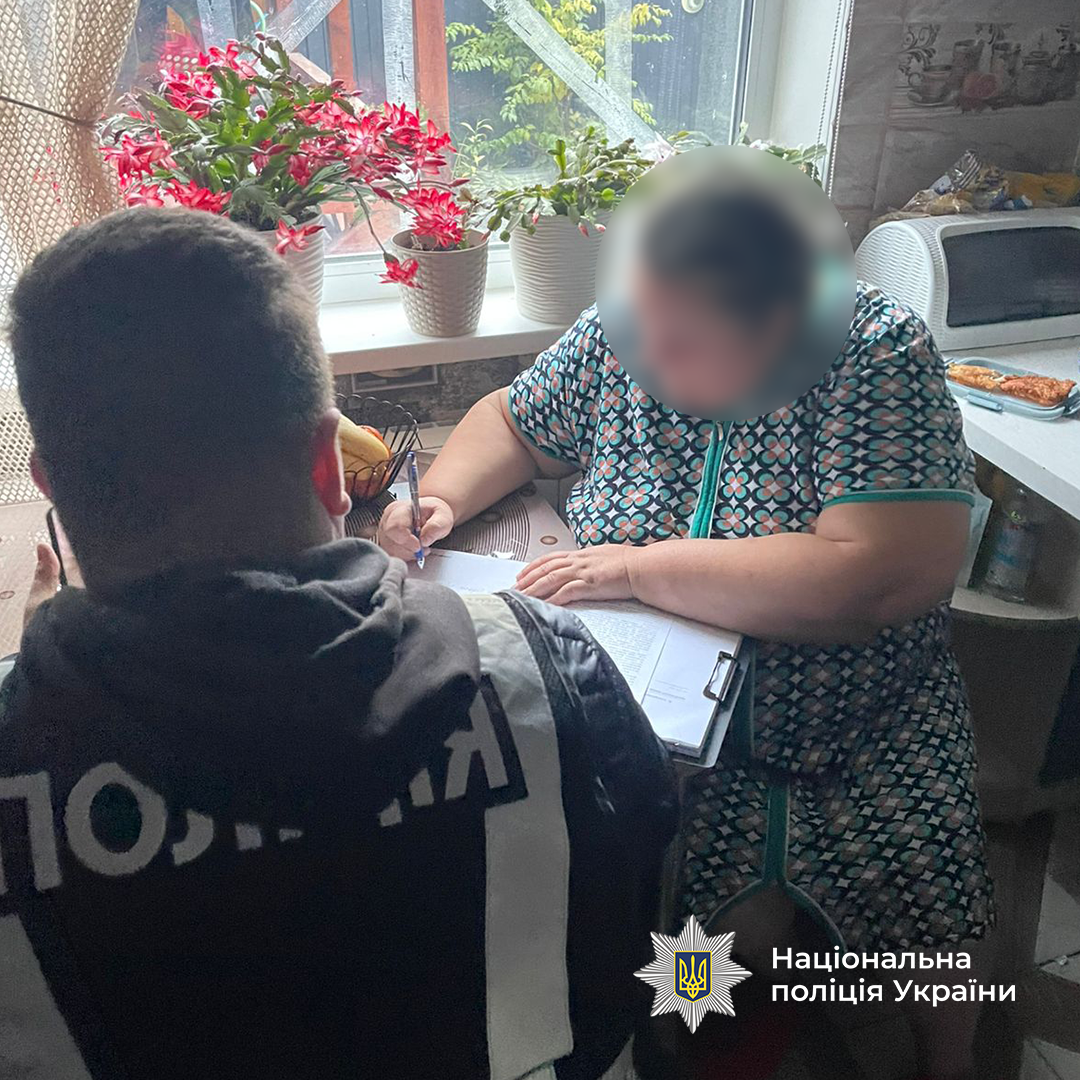
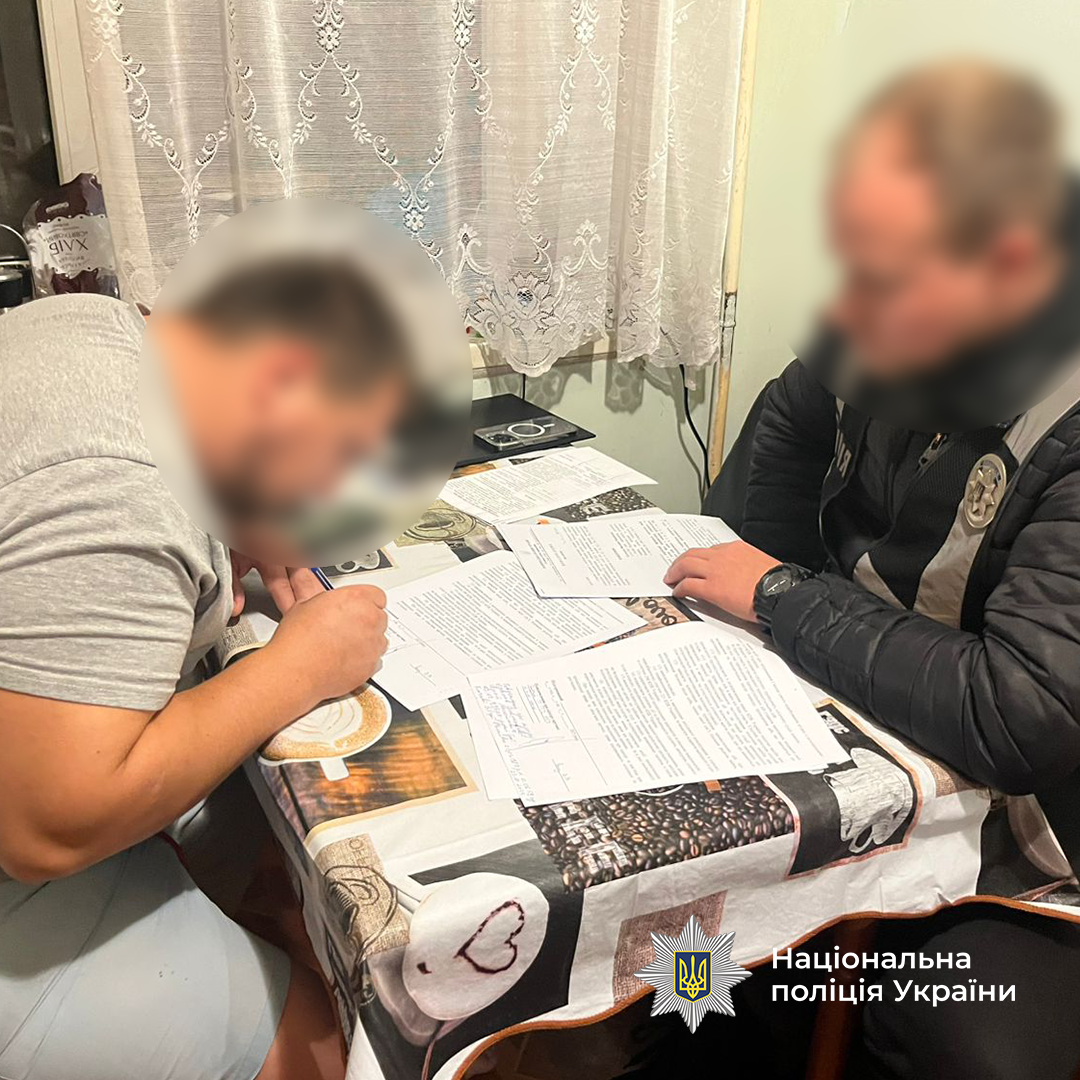
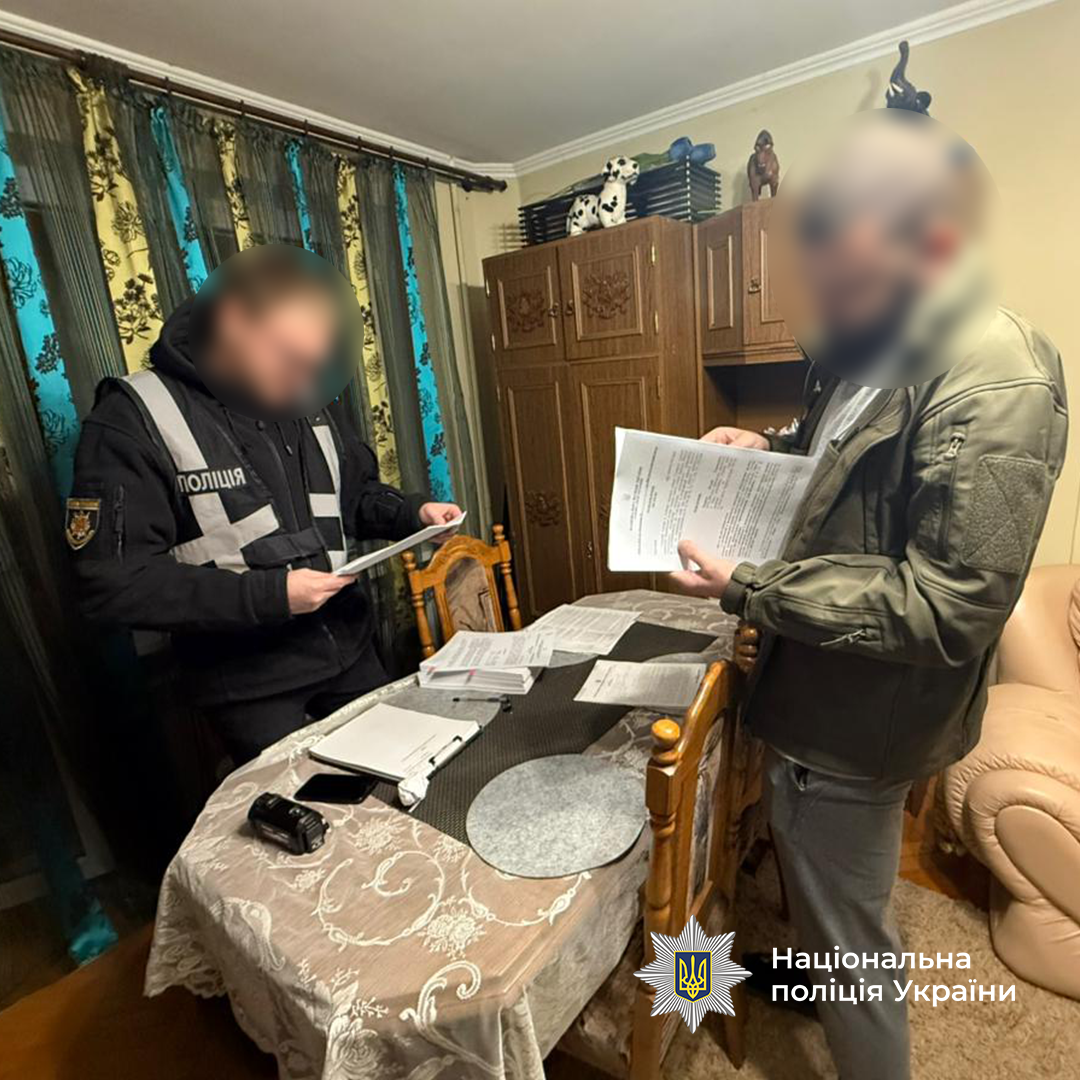
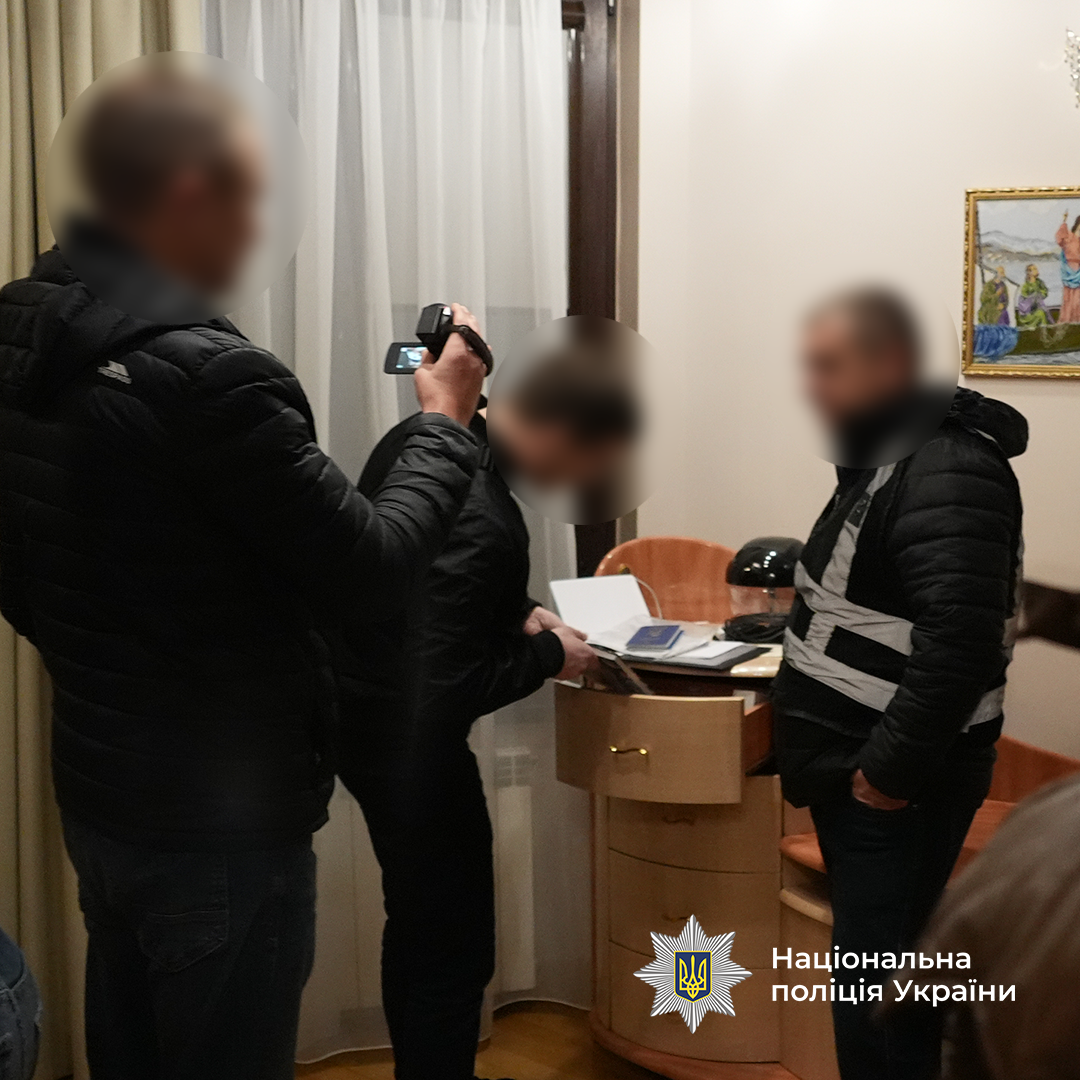
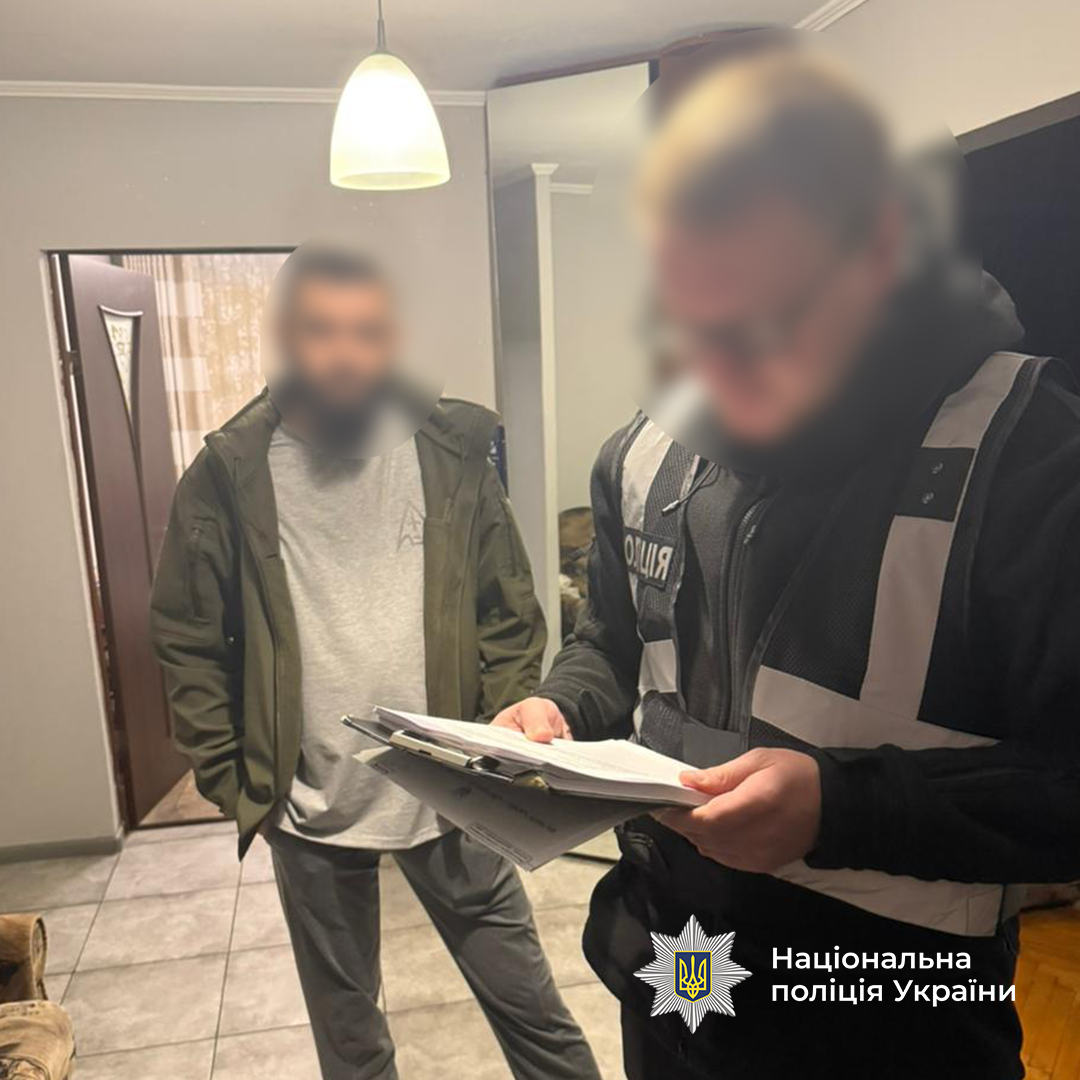
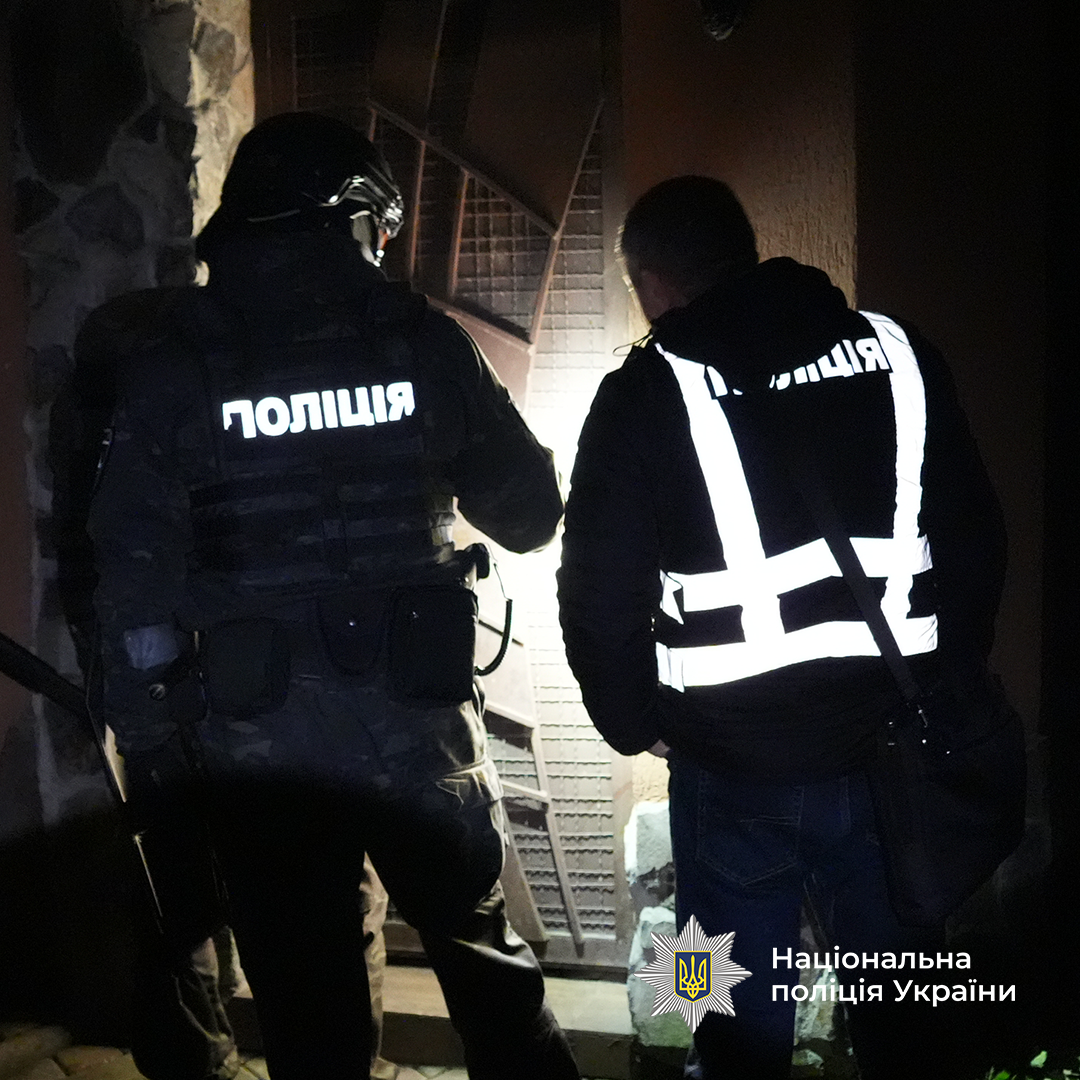
- Stage two: Investigators from the National Police’s Main Investigation Department and Department of Strategic Investigations conducted dozens of searches across Ukraine and served notices of suspicion on recruiters, coordinators and document forgers.
The investigation has now been completed. The suspects are accused of aiding the unlawful seizure of vehicles as part of an organized group, as well as organizing the production of forged documents and making them.
They face up to 12 years in prison with confiscation of property. The Office of the Prosecutor General provided procedural oversight in the case.