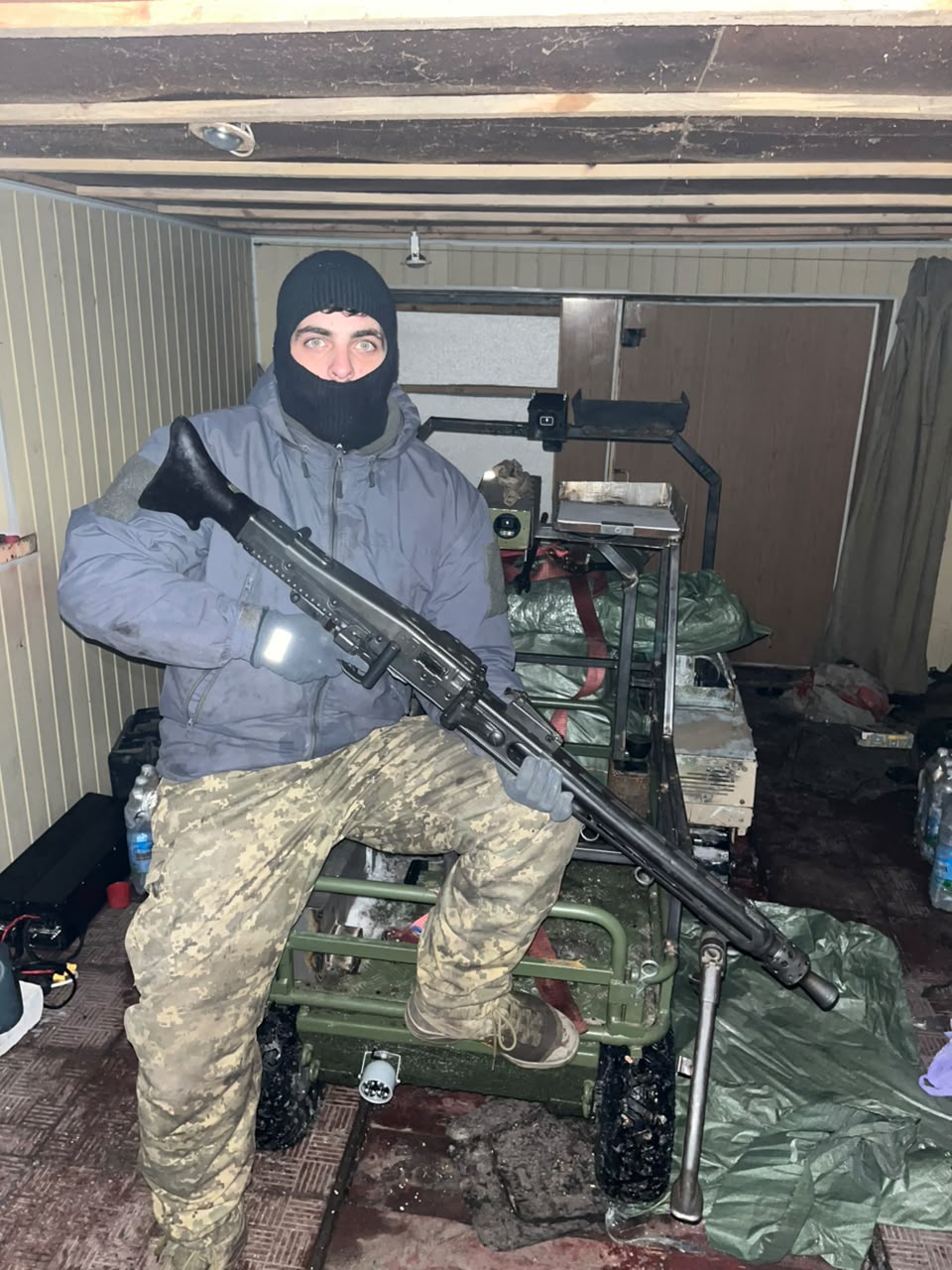
Operation ’Vivaldi’: UGV company from 60th SMB carries out logistical missions round clock. PHOTO
During Operation ‘Vivaldi’, the company of ground-based robotic systems of the 60th SMB of the Third Army Corps switched to carrying out logistical missions around the clock, increasing the operational range of the ground-based robotic systems and the volume of transport operations.
This was stated in a comment to Censor.NET by the chief logistics officer of the ground unmanned systems company, call sign Sukhyi.
Details
"In fact, our unit began its work last year. We initially carried out small-scale logistical missions, but we were building up our staff, conducting regular training, modernising the UGVs and figuring out how the logistics of ground-based robotic systems work in the context of modern warfare.
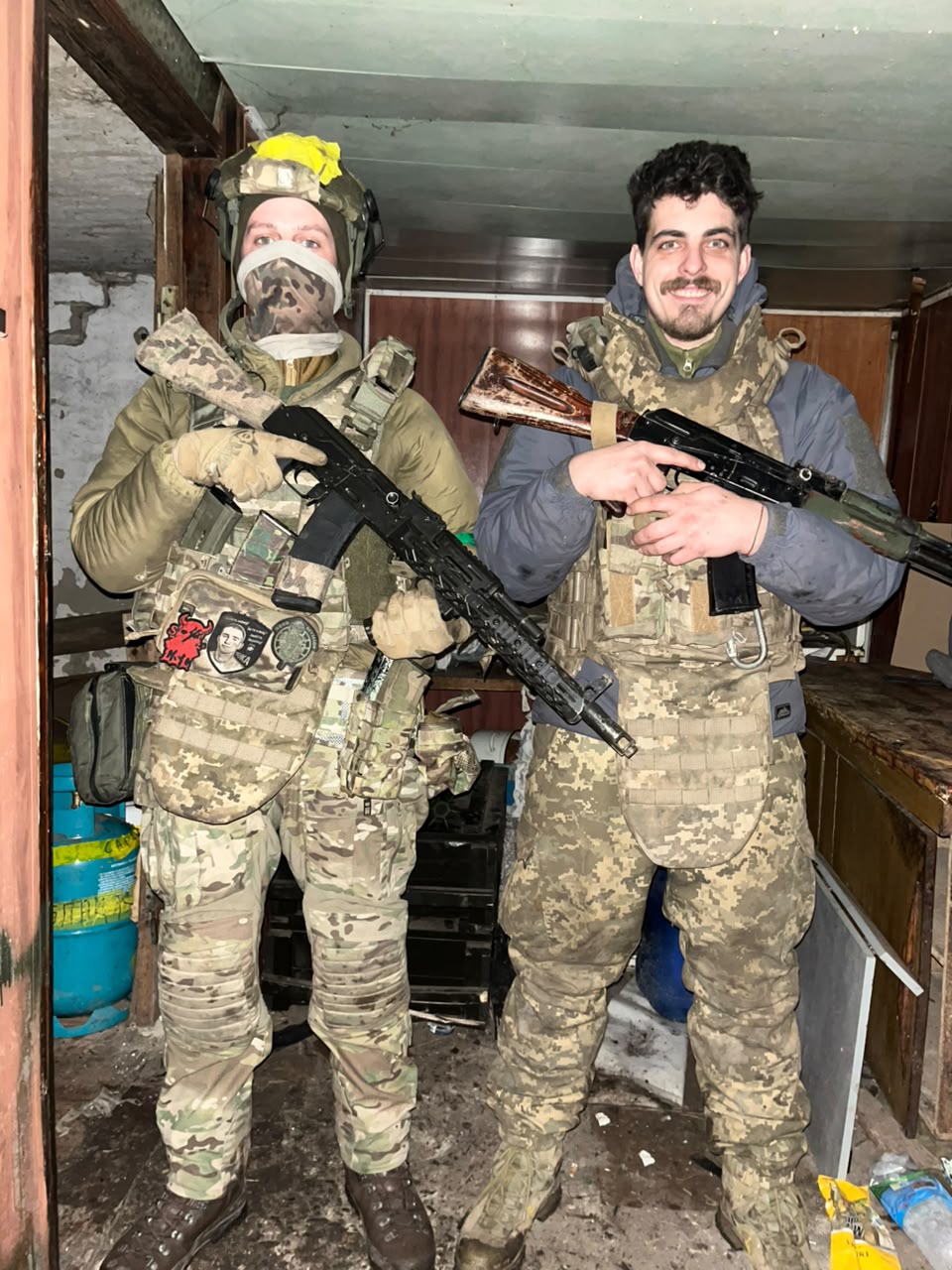
Nobody warned us about Operation ‘Vivaldi’, as everything was prepared in complete secrecy. At a certain point, we were simply given more resources and personnel. During the operation, our tasks changed – we started travelling a bit further and transporting more supplies. We were constantly changing our routes, our approach to the work, and in particular the times at which we carried it out. Whilst we had previously tried to travel during the hours of darkness, we later realised that, in the current circumstances, we wouldn’t be able to help the lads on the front line very much, so the decision was made to work round the clock.
This has its advantages, as the infantry can rely on us more. We know the routes best for moving undetected by enemy drones. And the infantry know that we can arrive and help them, particularly with evacuating the wounded, which is always a priority for us. We also retrieve our fallen heroes. Of course, we deliver ammunition, provisions, logistical supplies for setting up positions, and everything the lads need to do their job successfully," he noted.
The Russians were unprepared
"We carried out various types of missions that they weren’t expecting. For example, if we had a mining mission, we did everything to ensure the enemy could not attempt to infiltrate. We protected our UGVs as much as possible from potential detonations and strikes by enemy drones. We always try to scout the route in advance. We have robotic reconnaissance systems for this purpose.
Only when we are confident that we can travel from point A to point B and carry out the task do we deploy the specific UAV required for that particular job. We have also had instances where the enemy was moving in large numbers of groups. We realised that at that moment it would be very difficult to send strike drones there. Therefore, we equipped our kamikaze drones with explosives and stopped or eliminated the enemy," noted Sukhyi.

He emphasised that the most difficult aspect of Operation ‘Vivaldi’ was helping everyone at once:
"We were operating on several fronts and had a great many tasks. We even had to hold back supplies to our own men, because our primary focus is on the infantry. If they make a request, the first thing we do is deliver the supplies to them."