



Syrskyi explained why he opted for Kursk operation rather than strengthening defences of Pokrovsk
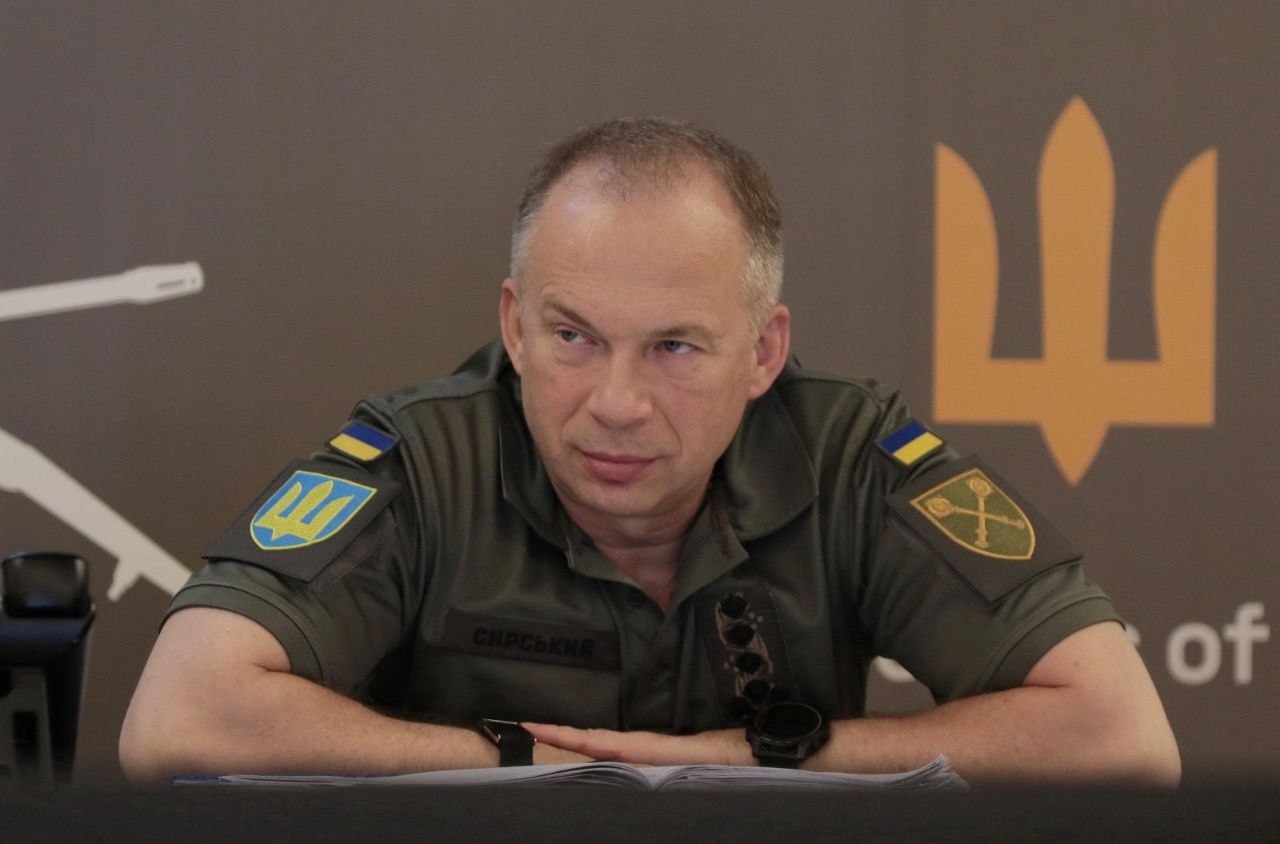
Former Commander-in-Chief of the Ukrainian Armed Forces Oleksandr Syrskyi described the Kursk operation as a necessary and successful manoeuvre. According to him, it forced Russia to redeploy around 70,000 troops, gave the Ukrainian Armed Forces time to regroup, and helped thwart the enemy’s plans.
As reported by Censor.NET, he made these remarks in an interview with the BBC.
"You do realise, this operation was a necessity. If we look back to 2024, the enemy, having increased pay for its servicemen several-fold and boosted troop numbers, launched an offensive in early summer 2024. In fact, this took place across all 13 operational fronts, with the enemy holding a 4.5-fold, and at times even a 6-fold, advantage on some of them.
Under such conditions, with Russian aviation dominating the skies, we were then engaged in heavy defensive battles and we simply had to thwart the enemy’s plans, given that they held such a significant advantage," noted Syrskyi.
He emphasised, however, that before planning the offensive, the military leadership had analysed the entire front line and selected a sector where Russian defences were weak. Initially, there were around 26,000 Russian troops in the Sumy sector, but the enemy subsequently redeployed forces from there to the Kharkiv sector.
According to the former Commander-in-Chief, this did not provide the Russian troops with any significant advantages, and they became bogged down in border skirmishes.
Russia has redeployed around 70,000 troops to the Kursk region
Syrskyi stated that over the course of a month, the Ukrainian Defence Forces had taken control of 1,273 square kilometres of Russian territory. He also claimed that, as a result of the Kursk operation, Russian troops were forced to halt their offensive on most operational-strategic fronts, with the exception of Pokrovsk.
According to him, Russia has redeployed around 70,000 troops to the Kursk sector, including units of the airborne forces, marines and trained motorised rifle units.
"In other words, this gave us the opportunity to effectively prepare our reserves, allow our troops a breather and restore the combat readiness of these forces, which had suffered losses in such fierce fighting. In short, the Kursk operation provided a huge boost to the morale of our troops," said Syrskyi.
Why Ukrainian forces were not deployed to defend Pokrovsk
A journalist asked the former Commander-in-Chief whether it would have been more appropriate to direct the resources used for the Kursk operation towards defending the eastern front, where Russian troops were advancing rapidly towards Pokrovsk.
Syrskyi replied that such a decision would not have yielded significant results, as the Ukrainian units involved in the offensive in the Kursk region were limited in number and in need of rest and recuperation.
"No, it wouldn’t have been better. The point is that in the Kursk sector, the offensive force comprised only three incomplete brigades of airborne assault troops and two assault battalions," stated the former Commander-in-Chief.
According to him, two brigades had been preparing for the operation for a month, whilst the 95th Brigade had previously been involved in heavy fighting on the Toretsk front and had had little time to recover. Therefore, initially only one brigade advanced at full strength, with the other two joining gradually.
Syrskyi noted that in the Pokrovsk sector – which he regards as comprising two separate sectors, Pokrovsk and Dobropillia – Russia had concentrated a force of nearly 100,000 troops. In his view, deploying these Ukrainian brigades there would not have significantly altered the situation given their condition at the time.
Russian units suffered casualties during redeployment
The former Commander-in-Chief also explained that the success of the Ukrainian offensive in the Kursk region was linked to the weak defences along the Russian border. According to him, the border was mainly manned by conscripts, whose units were spread out over vast areas.
When Ukrainian forces launched their offensive, Russia, according to Syrskyi, hastily redeployed units to the Kursk sector and immediately threw them into battle. He claims that these units suffered significant casualties.
Syrskyi also cited Russian data, according to which on certain days the casualty ratio during the fighting in the Kursk region was one to five in favour of the Ukrainian forces.
In the former commander-in-chief’s view, the Kursk operation enabled Ukraine to draw Russian troops away from other fronts, buy time to replenish its own units and boost the morale of the Ukrainian army.


