



Trump has suspended sanctions law against countries that purchase Russian energy resources
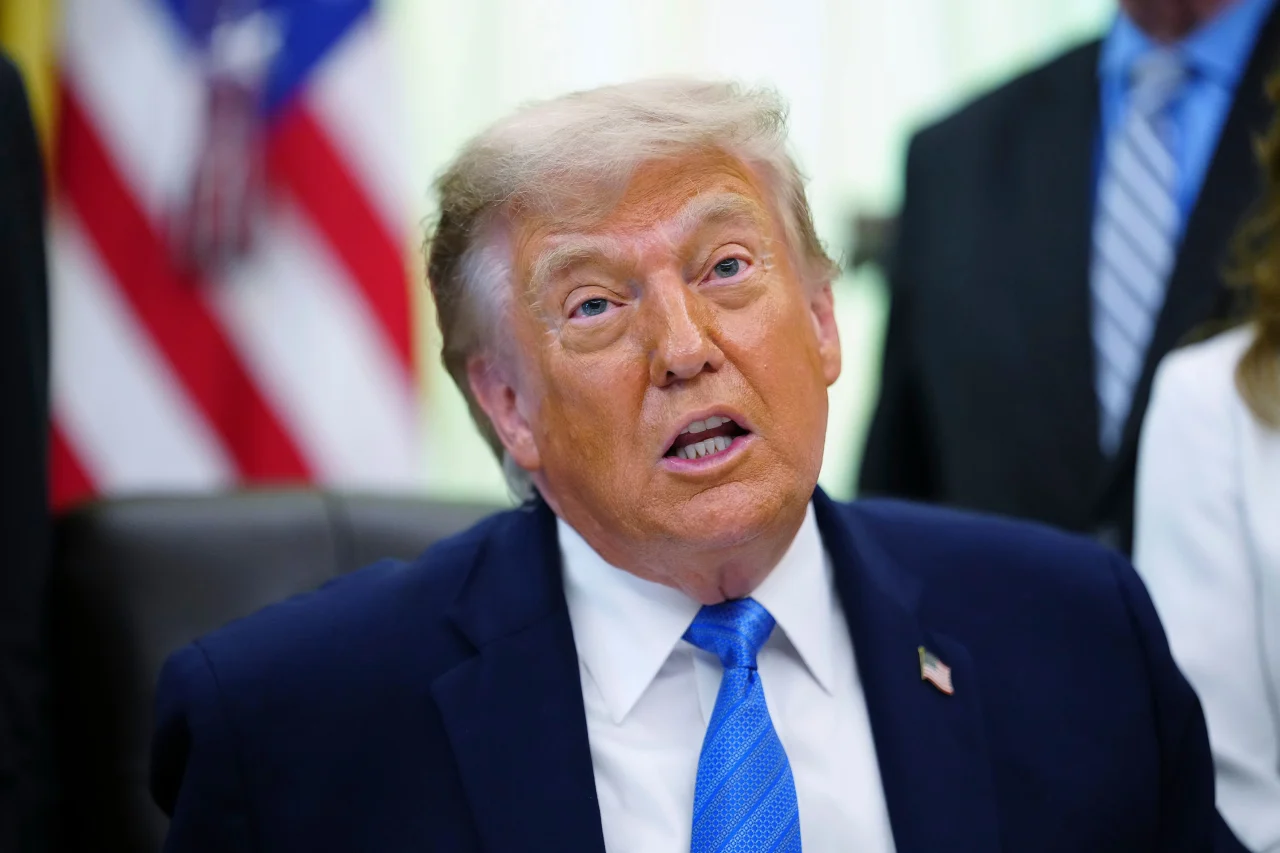
US President Donald Trump has signed an executive order suspending a sanctions law against Russia and Iran, which provided for the possibility of imposing tariffs of up to 100 per cent on countries purchasing Russian energy resources.
According to Censor.NET, this is set out in the executive order published on the White House website.
The White House chief emphasised that this decision is in the national interests of the United States.
Why did Trump suspend the law?
Trump signed the executive order a few days before the sanctions law was due to come into force
According to Bloomberg, Trump, in particular, scrapped the sweeping tariffs on Russian energy exports provided for in the law he signed last month, as these measures were hampering his efforts to lower diesel prices ahead of the US mid-term elections.
Trump invoked an exemption clause in the legislation, which was introduced by the late Senator Lindsey Graham in response to Russia’s invasion of Ukraine. The legislation also consolidated and expanded sanctions targeting Moscow.
What sanctions did the law provide for?
This move gave Trump 30 days to impose 100 per cent tariffs on all goods from the five largest buyers of Russian oil. It also provided for sanctions against numerous Russian legal entities and the imposition of 500 per cent tariffs on all imports of Russian energy resources into the US. This one-month period was due to end on 18 October.
The decision not to impose tariffs risks provoking fresh opposition from members of Congress, particularly many Republicans, who were outraged by his decision regarding Russian diesel fuel.
The decision not to implement the law also avoids a potential conflict with the largest buyers of Russian energy products – China, India and Turkey.
Lindsey Graham’s bill on sanctions against Russia
-
In early April 2025, a bill on new sanctions against Russia was introduced in the US Senate, which provided for the imposition of a 500 per cent tariff on imports of goods from countries that continue to purchase Russian oil and other raw materials. The bill was co-sponsored by Senators Lindsey Graham (Republican) and Richard Blumenthal (Democrat).
- On 10 July 2026, during a visit to Kyiv, Senator Lindsey Graham announced that an agreement had been reached with the White House administration on a new version of the bill on sanctions against Russia.
-
On 28 July, the US Senate held its first procedural vote on the bill to impose new sanctions against Russia and Iran. The bill was supported by 86 senators.
-
On 7 August, the bill imposing sweeping sanctions against Russia and Iran was backed by an overwhelming majority in the US Senate. It was approved by 86 votes to just 11.
- On 16 September, the US House of Representatives passed the bill on sanctions against Russia named after the late Senator Lindsey Graham. The bill was supported by 262 members of Congress, with 159 voting against.
- The bill provides for a significant tightening of sanctions pressure on Russia. In particular, it grants the US President the authority to impose tariffs of up to 100 per cent on countries that continue to purchase Russian energy resources.
- On Friday, 18 September (in the early hours of Saturday, 19 September, Kyiv time), US President Donald Trump signed the late Senator Lindsey Graham’s bill on ‘hellish sanctions’ against Russia, which had been approved the previous day by the US House of Representatives.


