ENG


12056 visitors online
Air defence forces have neutralised 3 ballistic missiles, 49 cruise missiles and 257 UAVs, - Air Force. INFOGRAPHICS
On the night of 3 November, Russian occupying forces launched a massive combined strike against Ukraine.
This was reported by the Air Force, according to Censor.NET.
What weapons did the enemy use?
From 18:00 on 2 November, the occupiers struck:
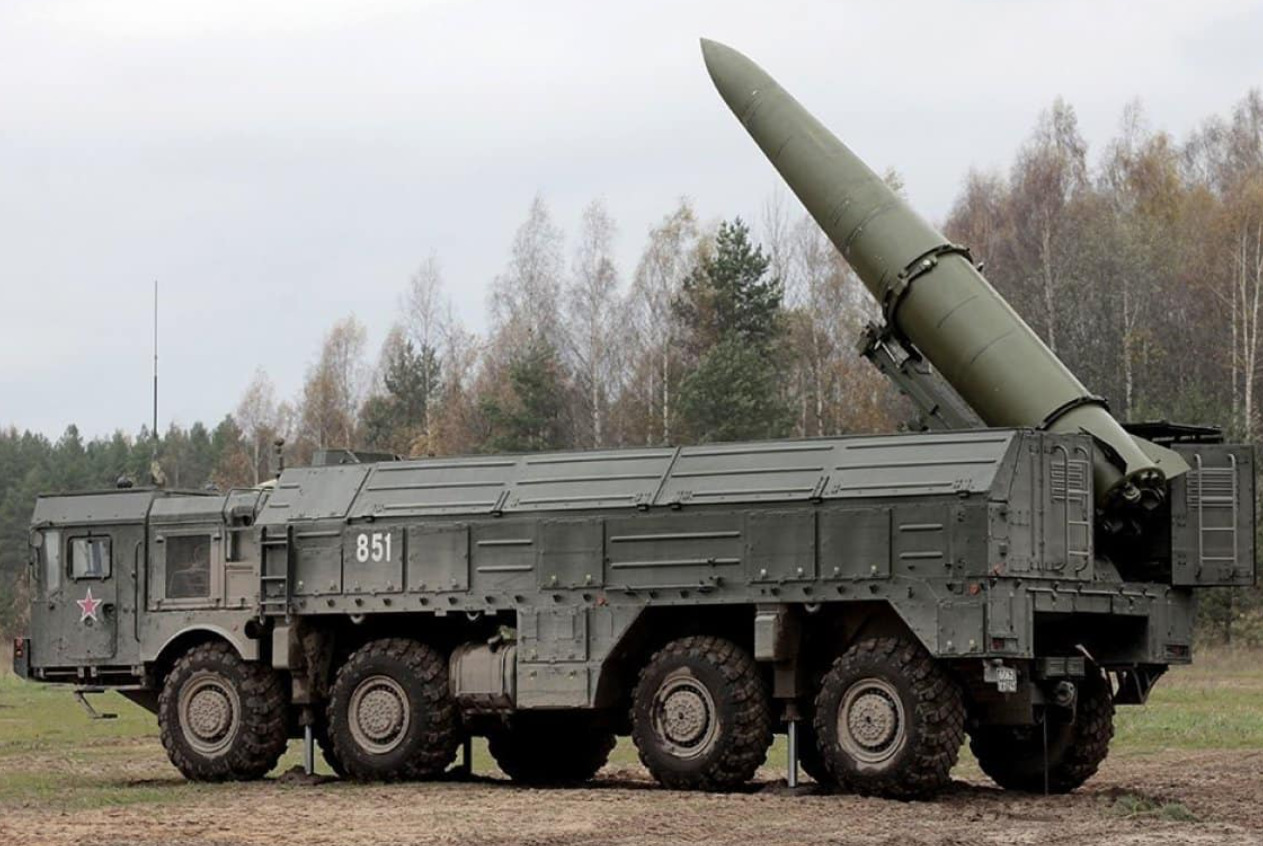
- with Iskander-M/KN-23 ballistic missiles and Zircon anti-ship missiles from the Rostov, Voronezh and Kursk regions of the Russian Federation;
- 59 air- and ground-launched cruise (aviation) missiles of the Kh-101/Kh-59/Kh-69/Iskander-K types from the Vologda, Orenburg and Oryol regions of the Russian Federation;
- 289 Shahed-type strike UAVs (120 of which are jet-powered), Gerbera UAVs and ‘Parodiya’-type decoy drones from the following directions: Orel, Kursk, Millerovo, Primorsko-Akhtarsk – the Russian Federation; Donetsk, Hvardiiske, Chauda – temporarily occupied territories of the Autonomous Republic of Crimea.
The main targets of the strikes were: Kyiv, Kharkiv, Vinnytsia and Dnipropetrovsk regions.
How did the air defence systems perform?
As of 09:00, air defence systems had shot down or neutralised 309 targets:
- 3 Iskander-M/KN-23/Zircon ballistic missiles;
- 49 cruise missiles of the Kh-101/Kh-59/Kh-69/Iskander-K types (information regarding 3 missiles is being verified);
- 257 enemy UAVs of the Shahed type (89 of which are jet-powered), Gerbera and other types of drones.
At the same time, enemy missiles and attack UAVs were recorded striking 23 locations, whilst debris from downed targets was found at 14 locations.
Several enemy UAVs have been detected in Ukrainian airspace; the attack is ongoing.


