ENG




12928 visitors online
The Ukrainian Air Force continues to play a pivotal role in the ongoing conflict with Russia. Utilizing MiG-29 and F-16 fighter jets, Ukrainian pilots have successfully struck key Russian military positions, including command posts and logistics hubs. Despite limited ammunition, their effectiveness is complemented by efficient air defense systems that have downed numerous UAVs. The Air Force's precision capabilities are crucial in countering Russia's heavy reliance on drones and missiles, with recent operations demonstrating remarkable resilience in protecting Ukrainian airspace. These tactical operations underscore the strategic importance of aerial superiority in modern warfare.
How are MiG-29s contributing to Ukraine's defense?
The MiG-29 fighter jets have been crucial in Ukraine's defense strategy, executing precision air strikes on critical Russian military positions and logistics routes. These operations have disrupted enemy supply lines and weakened their strategic advantage. The effectiveness of MiG-29s in various combat scenarios underscores their significance in countering aggression.
What challenges do Ukrainian air forces face with limited ammunition?
Despite limited stocks of munitions, Ukrainian pilots are maximizing their operational efficiency by prioritizing high-impact targets. This constraint necessitates strategic planning and precision strikes, which have been instrumental in maintaining their defensive posture and deterring Russian advances.
How have Ukrainian air defenses managed massive drone attacks?
Ukrainian air defense forces have successfully shot down or suppressed a significant number of incoming UAVs, thanks to advanced technology and coordinated defense strategies. Their resilience in intercepting drones enhances Ukraine's ability to protect strategic infrastructure and civilian areas from aerial threats.
What role do F-16s play in Ukraine's air operations?
F-16 fighter jets contribute to Ukraine's air operations by complementing MiG-29s with their advanced aerial combat capabilities. They enhance Ukraine's strategic air defense posture, allowing for broader engagement strategies and increased adaptability in various combat situations.
What is the impact of air strikes on Russian logistical hubs?
Targeted air strikes on Russian logistical hubs have significantly disrupted enemy supply chains, affecting their operational capabilities. These precise strikes weaken the Russian presence, complicating resupply efforts and lowering troop morale, further bolstering Ukraine's strategic advantage.
News Air forces
 Air Force fighter jets carry out series of strikes with AASM HAMMER aerial bombs on ruscist positions. VIDEO Ukrainian Air Force pilots flying fighter jets carried out a series of airstrikes on Russian occupiers’ positions. 656 0 Previously in trend: Elimination of Russian occupying forces Air operations of AFU
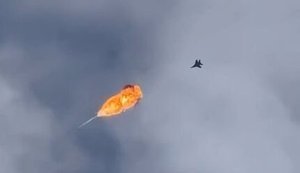
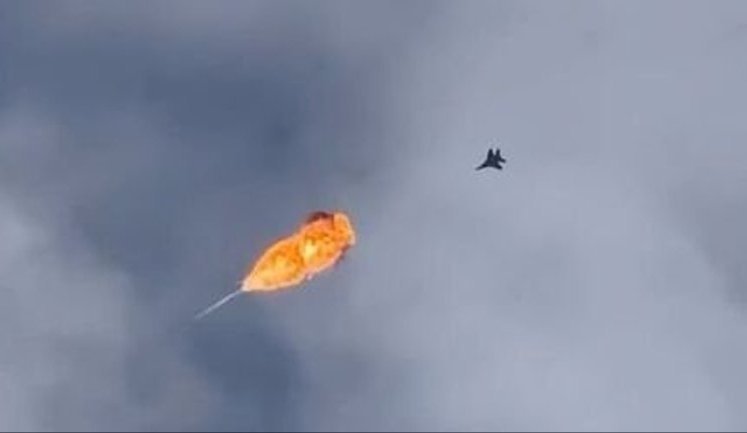
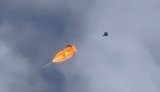 MiG-29 pilot shoots down Russian "Geran-4" at point-blank range with onboard cannon and flies through cloud of flames. VIDEO A MiG-29 fighter pilot from the Ukrainian Air Force destroyed a Russian "Geran-4" drone at point-blank range with the aircraft’s cannon and flew through a cloud of flames. 11 347 36 Previously in trend: Destruction of Russian drones
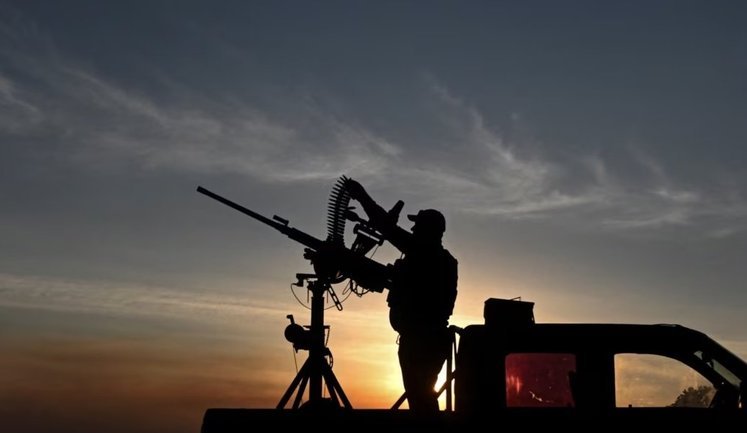
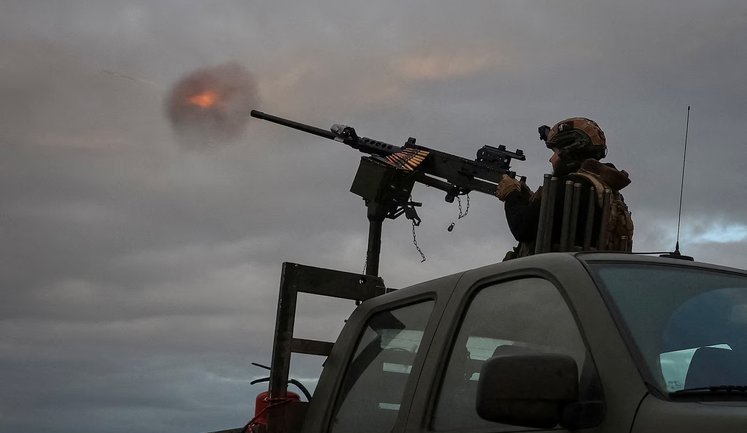
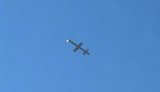 More jet-powered Shaheds are being shot down not just thanks to turrets; entire air defense system is at work, - Ihnat Automated turrets shoot down only a portion of the jet-powered "Shaheds", while the main results come from the coordinated efforts of various air defense systems. 1 797 1 Previously in trend: Result of the work of the air force jet-powered Shahed
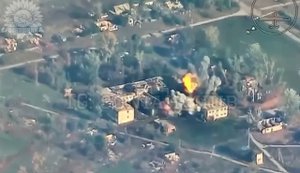
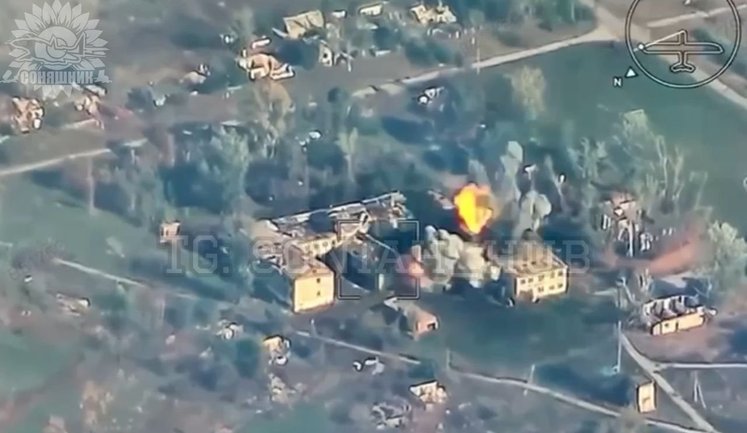
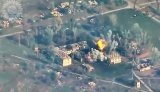 MiG-29 fighter pilot destroyed building housing ruscists with precision air strike. VIDEO The Ukrainian Air Force struck an enemy position on one section of the front line. 3 671 2 Previously in trend: Elimination of Russian occupying forces
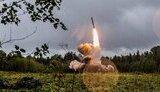 Air defenses neutralized 161 targets, including ballistic missiles, during massive Russian attack. INFOGRAPHICS On the night of October 7, Russia attacked Ukraine with various types of missiles and 130 attack drones. Air defense forces shot down 161 aerial targets. 2 821 10 Previously in trend: Result of the work of the air force Massive combined attack
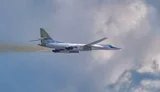 Russia sends Tu-160 strategic bombers into air: threat of cruise missile launches As of the evening of October 6, three Tu-160 strategic bombers had been observed taking off from the Belaya airfield in Russia. 4 441 31 Previously in trend: Take-off of Russian strategic bombers
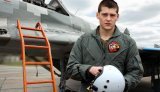 Zelenskyy awards Hero of Ukraine title to fallen MiG-29 pilot Marat Mambetov President Volodymyr Zelenskyy has (posthumously) awarded the title of Hero of Ukraine, along with the Order of the Gold Star, to Ukrainian pilot Marat Mambetov, a flight commander with the 40th "Ghost of Kyiv" Tactical Aviation Brigade. 1 401 4 Previously in trend: Awarding the title Hero of Ukraine
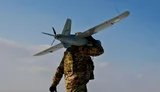 Deliveries of interceptors for jet-powered drones expected "no earlier than late November" – Air Force The Ukrainian Air Force said deliveries of interceptors for Russian jet-powered "Shaheds" in the required quantities were expected "no earlier than late November." 2 906 28 Previously in trend: jet-powered Shahed Interceptor drones
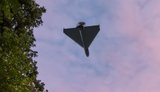 Russia uses AI to plan strikes on cities - Air Force Russia is already using artificial intelligence to plan attacks and recognize targets. 1 164 11 Previously in trend: Use of AI in Russian weapons
Share of "shahed" jet-powered drones used by Russians could rise to 80%, - Air Force The Air Force predicts that the proportion of jet drones in Russian strikes on Ukraine could rise to 80 percent, and their speed could reach 800–900 km/h. 1 036 17 Previously in trend: jet-powered Shahed
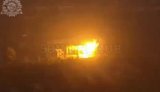 Su-27 fighter crews shattered Russian positions with two precision air-to-ground bomb strikes. VIDEO Pilots of Su-27 fighter jets from the Ukrainian Air Force struck positions held by Russian occupiers on one section of the front line with two high-precision bombing raids. 2 476 2 Previously in trend: Elimination of Russian occupying forces Air operations of AFU
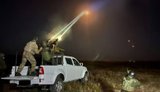 Russia attacked Ukraine with 137 drones: Air Defense forces destroyed and neutralized 114 UAVs, - Air Force. INFOGRAPHICS On the night of October 6, Russian troops attacked Ukraine with 137 strike drones of various types. Air defense forces destroyed and suppressed 114 enemy UAVs. 664 6 Previously in trend: Result of the work of the air force
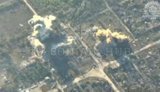 MiG-29 pilots used GBU-62 air-to-ground bombs to destroy gathering point for Russian assault groups. VIDEO The Ukrainian Air Force carried out strikes on a gathering of Russian occupying forces’ assault groups on one section of the front line. 6 275 3 Previously in trend: Elimination of Russian occupying forces
 Russia attacked Ukraine with 205 drones: Air defense forces shot down and neutralized 172 UAVs. INFOGRAPHICS Starting on the evening of October 4, Russian troops attacked Ukraine with 205 strike drones of various types. Air defense forces shot down or neutralized 172 enemy UAVs. 751 3 Previously in trend: Result of the work of the air force
 Denfix Air Force pilot captured moment enemy aerial target was pursued and destroyed by missile. VIDEO A Ukrainian Air Force pilot with the call sign Denfix has released footage of the destruction of an enemy aerial target. 4 216 3 Previously in trend: Shooting down Shaheds Air operations of AFU
 Su-27 pilots destroyed Russian UAV command post in east with two aerial bombs. VIDEO Pilots of Su-27 fighter jets from the Ukrainian Air Force carried out two air strikes on a command post for the Russian occupiers’ UAVs in the eastern sector. 4 132 3 Previously in trend: Elimination of Russian occupying forces Air operations of AFU
131 out of 157 enemy UAVs shot down; "Banderols" attacked Odesa region — Air Force. On the night of October 3, 2026, Russian forces attacked Ukraine with 157 Shahed strike UAVs (45 of which were jet-powered), Gerber UAVs, and "Parody" decoy drones. 649 1 Previously in trend: Result of the work of the air force
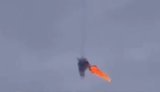 Pilot of Ukrainian aircraft shot down Russian UAV with missile: moment of aerial interception was filmed by eyewitnesses on ground. VIDEO A video has been published online showing a Ukrainian pilot in action as he shot down a Russian drone in mid-air with a missile. Eyewitnesses filmed the moment the enemy target was intercepted from the ground. 6 585 10 Previously in trend: AFU aviation
Russia launched 108 UAVs at Ukraine; air defense neutralized 88 targets. INFOGRAPHICS Russian occupiers launched 108 attack UAVs of various types at Ukraine (47 of them were jet-powered). 518 0 Previously in trend: Result of the work of the air force
 Russia attacks Ukraine with 97 drones throughout day: air defences destroy 78 UAVs Russian forces attacked Ukraine with 97 attack drones throughout the day on October 1, including 66 jet-powered drones. 406 0 Previously in trend: Result of the work of the air force
MiG-29 pilot Captain Marat Mambetov of "Ghost of Kyiv" brigade killed in combat on front line Ukrainian pilot Marat Redvanovych Mambetov, a flight commander in the 40th "Ghost of Kyiv" Tactical Aviation Brigade, was killed while flying a combat mission in a MiG-29 fighter jet in one sector of the front on October 1. 12 618 56 Previously in trend: losses of Ukraine Ukraine lost aircraft
Russia attacked Ukraine with 107 drones: Air Defense forces destroyed and neutralized 87 UAVs, - Air Force. INFOGRAPHICS On the night of September 30, Russian troops attacked Ukraine with 107 strike drones of various types. Air defense forces destroyed and intercepted 87 enemy drones. 653 2 Previously in trend: Result of the work of the air force
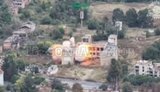 Ukrainian MiG-29s struck building where ruscists were trying to establish positions. VIDEO Crews of MiG-29 fighter jets struck Russian occupation forces’ positions during a combat mission. 2 397 4 Previously in trend: Elimination of Russian occupying forces Air operations of AFU
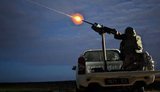 Russia attacked Ukraine with 285 drones during day: air defence forces shot down 254 UAVs Russian forces attacked Ukraine with 285 strike UAVs of various types during the day on 30 September. Air defence forces shot down or suppressed 254 enemy UAVs. 560 0 Previously in trend: Attack of drones Result of the work of the air force
Russia attacked Ukraine with ballistic missiles, Zircons, and 188 drones; air defenses destroyed 5 missiles and 155 UAVs – Air Force On the night of September 30, 2026, Russian Federation troops attacked Ukraine with Zircon/Onyx anti-ship missiles launched from the Kursk region of the Russian Federation, ballistic missilesIskander-M/S-400 ballistic missiles from the Voronezh and Bryansk regions of the Russian Federation, 188... 3 036 15 Previously in trend: Result of the work of the air force
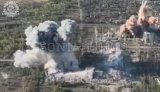 MiG-29 crews use precision air strikes to bomb basements where ruscists were hiding. VIDEO Crews of MiG-29 fighter jets carried out air strikes on the positions of Russian occupiers. 2 490 4 Previously in trend: Elimination of Russian occupying forces Air operations of AFU
 Russia launched massive drone attack: 112 UAVs in one day, 95 neutralized by air defenses Russian forces attacked Ukraine with 112 strike drones throughout September 29, including 29 jet-powered drones. 683 0 Previously in trend: Result of the work of the air force
 Khmara visited Air Force command posts in Kyiv region: We will strengthen layered defence of Kyiv The Ukrainian Minister of Defence, Yevhen Khmara, visited command posts at Air Force units in the Kyiv region. 1 623 17 Previously in trend: Ukrainian Air defence Result of the work of the air force
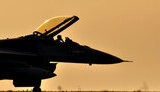 Ukrainian F-16s operate with limited ammunition stocks – Air Force Ukrainian pilots are effectively using the F-16s at their disposal with limited stocks of munitions. 3 739 16 Previously in trend: The work of the Ukrainian F16
Russia attacked Ukraine with 152 drones and missiles: Air Defense shot down 109 targets, - Air Force On the night of September 28–29, Russia launched an attack using a "Zircon/Onyx" missile, two ballistic missiles, and 152 drones. 1 410 1 Previously in trend: Result of the work of the air force
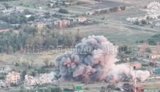 Ukrainian Su-27s bombed ruscist position with personnel and ammunition. VIDEO Ukrainian Air Force pilots carried out a precision airstrike on a Russian position where enemy personnel and ammunition were located. 2 793 2 Previously in trend: Elimination of Russian occupying forces Air operations of AFU
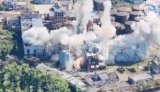 Ukrainian aircraft struck industrial zone where ruscist personnel were stationed. VIDEO Pilots from the Ukrainian Air Force carried out a precision air strike on a gathering of Russian occupiers who were based in an industrial area. 2 701 2 Previously in trend: Elimination of Russian occupying forces
Russia attacks Ukraine with 124 drones during day, 26 hits: main attack targets Kyiv region – Air Force Russian forces attacked Ukraine with 124 strike drones during the day on September 28, including 86 jet-powered drones. The main attack targeted the Kyiv region. 1 034 1 Previously in trend: Result of the work of the air force
Russia attacked Ukraine with 165 drones: Air Defense shot down and suppressed 112 UAVs, - Air Force On the night of September 28, Russian occupiers attacked Ukraine with 165 Shahed-type strike UAVs (79 of which were jet-powered), Gerber UAVs, and "Parodiya"-type decoy drones. Air defense forces shot down 112 enemy UAVs. 1 078 6 Previously in trend: Result of the work of the air force
 MiG-29 pilot shot down Russian "Geran-4" over coast of Odesa using aircraft’s onboard cannon. VIDEO A video has been published online showing a MiG-29 fighter jet of the Ukrainian Air Force destroying a Russian kamikaze drone during one of the enemy’s air attacks. 6 238 22 Previously in trend: UAV attack on Odesa Destruction of Russian drones
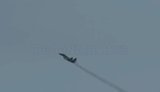 MiG-29 pilots destroyed Russian crossing in northern sector with series of precision air strikes. VIDEO Pilots of the Ukrainian Air Force, flying MiG-29 fighter jets, carried out a series of precision strikes on a logistics route used by the Russian occupiers in the north. 8 918 8 Previously in trend: Strikes on Russian logistics Air operations of AFU
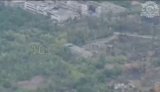 MiG-29 pilots used GBU-62 air-to-ground bombs to destroy building housing Russian troops. VIDEO Air Force pilots flying MiG-29 fighter jets carried out precision air strikes on enemy positions where Russian occupying forces were stationed. 2 718 3 Previously in trend: Elimination of Russian occupying forces Air operations of AFU
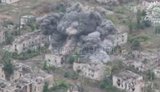 Ukrainian Air Force destroyed a building housing Russian troops and command posts with two precision strikes. VIDEO The Ukrainian Air Force carried out two precision strikes on a gathering of occupying forces. 3 283 3 Previously in trend: Elimination of Russian occupying forces Air operations of AFU
Overnight UAV attack: Air defense destroyed 134 enemy targets — Air Force Starting in the evening of September 25 and continuing through the night of September 26, Russian invaders attacked Ukraine with 173 Shahed-type UAVs (more than 50 of which were jet-powered), Gerber drones, and "Parodiya"-type decoy drones. 966 0 Previously in trend: Result of the work of the air force
Since morning, Russia has attacked Ukraine with 162 strike UAVs: air defense shot down 127 enemy drones Throughout September 25, Russian forces attacked Ukraine with 162 strike UAVs of various types. Air defense forces shot down or suppressed 127 UAVs. 1 135 0 Previously in trend: Attack of drones Result of the work of the air force
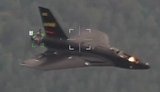 An-28 crew shoots down Russian "Gerbera-2" kamikaze drone with "Minigun" machine gun in skies over Ukraine. VIDEO The crew of an An-28 aircraft of the Ukrainian Air Force intercepted and destroyed a Russian "Gerbera-2" kamikaze drone in flight using a multi-barrel "Minigun" machine gun mounted on board. 16 076 22 Previously in trend: Destruction of Russian drones
Russia attacked Ukraine with 295 drones; air defenses destroyed and suppressed 267 UAVs. INFOGRAPHICS On the night of September 25, Russian forces launched a massive attack on Ukraine, deploying 295 attack drones of various types. Air defense forces shot down and neutralized 267 enemy UAVs. 980 0 Previously in trend: Result of the work of the air force
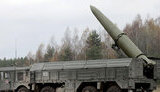 Air defence forces neutralised 4 "Zircons" and 3 "Iskanders" during massive Russian attack, - Air Force. INFOGRAPHICS On the night of 24 September, Russian occupying forces launched a large-scale attack on Ukraine. 3 784 9 Previously in trend: Result of the work of the air force
 Air Force MiG-29 pilots bomb ruscist command post with precision strikes in northern sector. VIDEO The crew of a Ukrainian Air Force MiG-29 fighter jet carried out precision strikes on a Russian command post in the northern sector. 2 499 0 Previously in trend: Elimination of Russian occupying forces Air operations of AFU
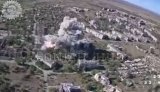 Ukrainian pilots in Su-27 fighter jets smash building housing ruscist troops with GBU bombs. VIDEO Ukrainian aircraft carried out a precision strike on Russian occupiers’ positions. 2 970 3 Previously in trend: Elimination of Russian occupying forces Air operations of AFU
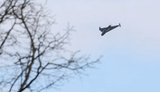 Russia launched 161 UAVs at Ukraine; air defense neutralized 119 targets. INFOGRAPHICS On the night of September 23, Russian forces launched 161 drones of various types at Ukraine. 830 4 Previously in trend: Result of the work of the air force
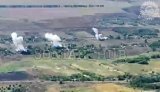 MiG-29 pilots smash UAV command post and ruscist base with GBU-39 bombs. VIDEO Ukrainian aircraft carried out a series of strikes on a Russian UAV command post and a base housing enemy personnel. 2 918 2 Previously in trend: Elimination of Russian occupying forces
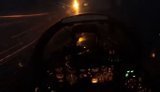 MiG-29 Denfix fighter pilot captured moment enemy target was destroyed in night sky. VIDEO A video has been published online showing a Ukrainian pilot with the call sign Denfix, flying a MiG-29 fighter jet, filming the destruction of an enemy aerial target. 2 949 1 Previously in trend: Air operations of AFU
Page 1 of 48
more news