ENG




9838 visitors online
As the year 2026 unfolds, the tension remains high in Ukraine due to ongoing massive rocket attacks. Intelligence reports, including statements from President Volodymyr Zelenskyy, indicate that Russia is intensifying its efforts, preparing for new strikes on Ukraine's infrastructure. These attacks have predominantly targeted the energy sector, complicating the daily lives of Ukrainians, especially those in hard-hit areas like Dobrotvir, where six thousand residents were left without basic utilities after a recent assault. Despite the persistent threat, Ukraine's air defense systems, bolstered by international support, have successfully intercepted many of the approximately 420 drones and numerous missiles launched. Nevertheless, each attack poses a severe risk to the already strained energy grid, highlighting the urgent need for continued and enhanced global assistance. The substantial use of ballistic and hypersonic missiles from Crimea by Russian forces underscores the strategic importance of maintaining effective aerial defenses. This dire situation calls for increased vigilance and international attention to mitigate the aggressive strategies and ensure the stability and security of Ukraine.
What are the main targets of Russia's rocket attacks?
Russia's rocket attacks are primarily aimed at Ukraine's critical infrastructure, especially focusing on the energy grid. These attacks have led to significant disruptions in power, water, and heat supplies, affecting civilians' daily lives. The strategic targeting aims to weaken Ukraine's resilience by depleting its resources and creating psychological pressure.
How effective are Ukraine's air defense systems in intercepting missile attacks?
Ukraine's air defense systems have proven to be relatively effective, successfully intercepting a large number of drones and missiles. Thanks to the international community's support, there has been a notable improvement in the interception rates, which is crucial in protecting key infrastructure and reducing the impact of these massive rocket attacks.
What international support is Ukraine receiving in response to the attacks?
Ukraine is receiving significant international support, including the provision of long-range weapons and air defense systems. Countries like the United States and European nations are playing a crucial role in supplying the necessary military assistance, which has strengthened Ukraine's defensive capabilities against Russia's relentless rocket attacks.
How frequent are these massive rocket attacks on Ukraine?
The attacks have been occurring with alarming frequency, showcasing Russia's persistent aggression despite international condemnation. Recent reports highlighted that Russia launched missile and drone attacks on 361 days in 2025, with very few days free from hostilities, indicating a long-standing pattern of constant military pressure.
What measures are in place to protect civilians from rocket attacks?
Civilians are safeguarded through various measures, including timely air raid alerts, the use of shelters, and public awareness campaigns to enhance preparedness. Efforts from local and national authorities aim to minimize casualties and ensure swift recovery and restoration of essential services after each attack.
How have the rocket attacks impacted Ukraine's economy?
The consecutive massive rocket attacks have severely impacted Ukraine's economy by damaging vital infrastructure, slowing industrial production, and disrupting daily commerce. This has resulted in a significant strain on financial resources, requiring increased international economic support to aid recovery and stabilization efforts.
Is there any possibility of diplomatic negotiations to stop the rocket attacks?
While there have been diplomatic efforts and calls for negotiation, the ongoing aggression and lack of substantial response from Russia suggest limited immediate prospects for a peaceful resolution. Continuous international pressure and negotiations are required to seek a cessation of hostilities. Diplomacy remains a complex challenge given the geopolitical complexities involved.
w117_header_alt Massive rocket attack
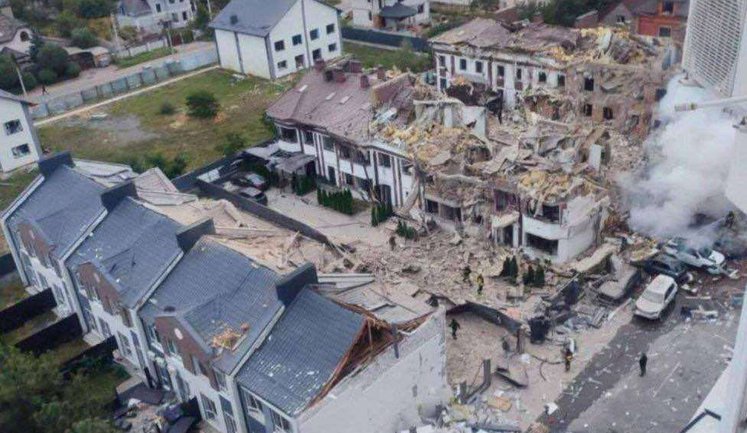
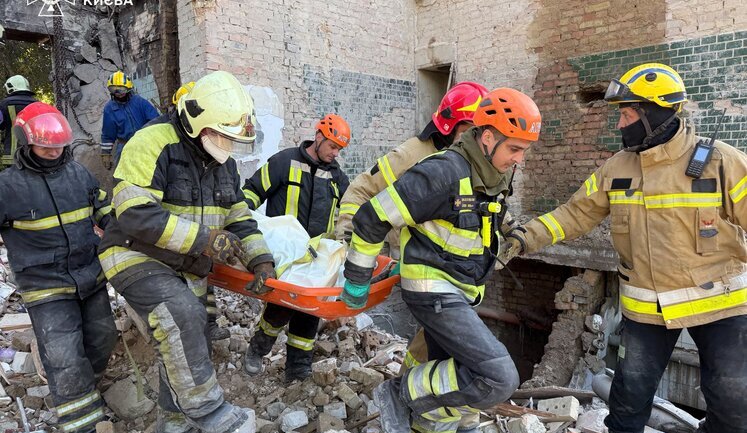
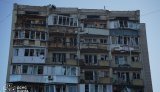 Zelenskyy promises long-range response to Russia over massive strike on Kyiv President Volodymyr Zelenskyy reported that efforts to deal with the aftermath of the Russian strike continued for much of August 20 in Kyiv and the surrounding region, including Boryspil and Brovary. 3 376 51 Previously in trend: Massive rocket attack Shelling of Kyiv
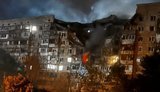 437 civilians killed in Russian strikes in July. Kyiv among hardest hit – UN At least 437 people were killed and more than 2,600 injured in Russian strikes on Ukraine in July 2026. 1 725 3 Previously in trend: Massive rocket attack
 Decision made to limit data on enemy ballistic missiles in morning reports: online updates will remain unchanged – Ihnat The Air Force has not stopped informing the public about aerial threats, the nature of enemy attacks and the results of combat operations. 5 383 26 Previously in trend: Massive rocket attack Air threats
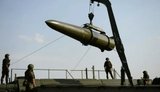 Russia used North Korean ballistic missiles against Ukraine during today’s attack – Zelenskyy Russia used ballistic missiles manufactured in North Korea during its attack on Ukraine on the night of 11 August. 2 851 29 Previously in trend: Massive rocket attack Cooperation between the DPRK and Russia
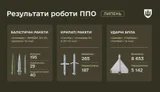 Format changed for security reasons: Air Force has stopped specifying exact number of Russian missiles in its reports The Ukrainian Air Force has changed the format of its daily reports on the air-attack weapons Russia is using against Ukraine. The reports no longer specify the exact number of missiles fired by the enemy. 9 915 82 Previously in trend: Massive rocket attack
 Canada condemns massive Russian strike on Ukraine and missile incident in Poland Canadian Prime Minister Mark Carney condemned Russia’s massive overnight attack on Ukraine on 30 July and the incident involving a Russian missile that entered Poland. 625 2 Previously in trend: Massive rocket attack
 Zelenskyy warns of risk of massive Russian strike tonight There remains a high probability of a massive Russian strike on Ukraine tonight. 3 637 39 Previously in trend: Massive rocket attack
 Russia has prepared missiles for new large-scale strike – Zelenskyy Ukrainian intelligence and the intelligence services of partner countries have information indicating that Russia has prepared missiles for a new large-scale strike on Ukraine. 6 339 40 Previously in trend: Massive rocket attack Massive combined attack
 Russian missile destroyed printing house in Kyiv containing quarter of million school textbooks. VIDEO+PHOTOS As a result of a massive Russian ballistic missile attack on Kyiv on the night of 19 July, the printing works of the ‘Konvi’ group – one of Ukraine’s largest publishers of school textbooks – was destroyed. The strike destroyed nearly 250,000 textbooks that were already ready to be sent to... 4 516 33 Previously in trend: Massive rocket attack
Russia is banking on ballistic missiles; this is why Putin still believes in his war, - Zelenskyy In the war against Ukraine, Russia is relying specifically on ballistics. 2 717 53 Previously in trend: Massive rocket attack Missile attack on Kyiv
Intelligence indicates Russia is preparing massive strike on Ukraine, Zelenskyy says President Volodymyr Zelenskyy said there was information from Ukrainian intelligence that Russia was preparing another massive attack on Ukraine. 7 455 63 Previously in trend: Massive rocket attack Massive combined attack
 Russia has no intention of ending war, we are preparing for new attacks – Zelenskyy Ukraine is preparing for new attacks from Russia. President Volodymyr Zelenskyy stated this in a video address, Censor.NET reports. 3 714 34 Previously in trend: Massive rocket attack
 Trump comments on Russia’s overnight attack on Ukraine: "It’s terrible" U.S. President Donald Trump commented on Russia’s massive attack on Ukraine during the night of April 16. 6 112 33 Previously in trend: Massive rocket attack Massive combined attack
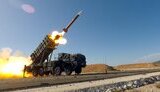 Russia has changed its tactics for strikes on Ukraine due to war in Iran: it is attacking during the day to deplete Ukraine’s stock of Patriot missiles, - Sunday Times Russia is changing its shelling tactics in an attempt to deplete Ukraine’s air defence stocks, particularly missiles for Patriot systems, the shortage of which is becoming more acute due to the war in the Middle East. 18 537 40 Previously in trend: Ukrainian Air defence Massive rocket attack Massive combined attack
 Russia has carried out 14 large-scale combined attacks this winter, — Ihnat In addition to regular daily airstrikes, Russia carried out 14 large-scale combined attacks over the winter. 1 151 1 Previously in trend: Massive rocket attack Massive combined attack
 Russia preparing new attacks on infrastructure, intelligence has information – Zelenskyy Russian troops are preparing new attacks on Ukraine’s infrastructure. 4 820 61 Previously in trend: Attacks on the energy sector Massive rocket attack Massive combined attack
 Enemy struck with ballistic missiles from Crimea. Ships are not being deployed to Black Sea for combat duty, - Pletenchuk On the night of February 26, Russia attacked Ukraine with ballistic and hypersonic missiles from Crimea. 1 052 1 Previously in trend: Massive rocket attack Massive combined attack
 Most of missiles were shot down today because partners sent some of missiles to air defense, - Zelenskyy President Volodymyr Zelenskyy said that Russia launched 420 drones and 39 missiles of various types at Ukraine on the night of February 26. 2 623 34 Previously in trend: Result of the work of the air force Massive rocket attack
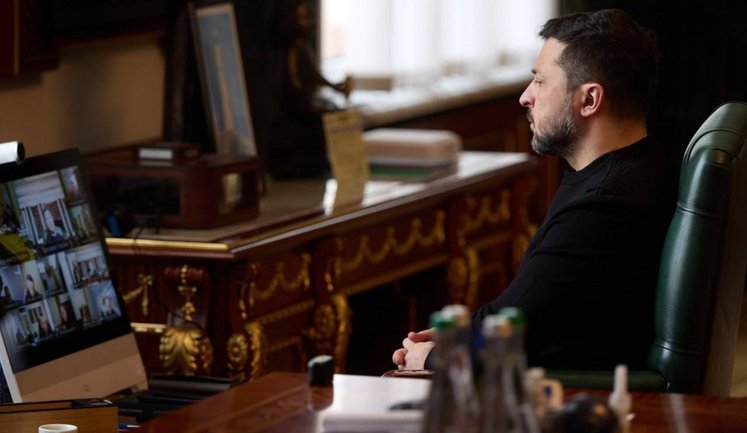
 There was tough conversation about work of mobile fire groups during Russian attack, - Zelenskyy Ukrainian President Volodymyr Zelenskyy held a conference call and listened to reports from all regions following a massive Russian attack. 6 601 91 Previously in trend: Attacks on the energy sector Massive rocket attack
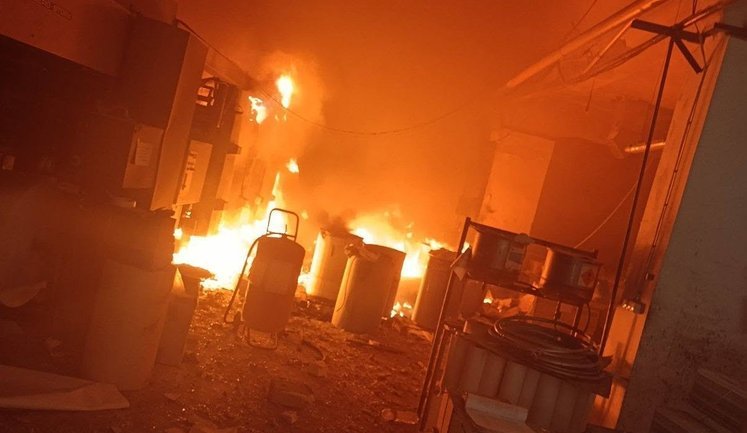
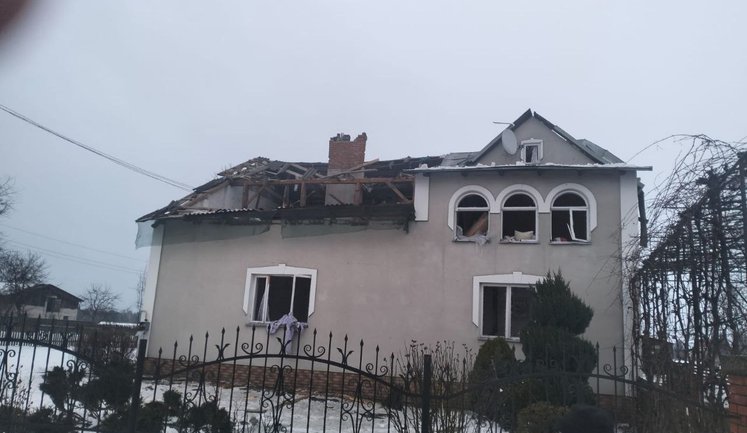
 Water, heat and electricity supply in Dobrotvir and Staryi Dobrotvir has been restored (updated). PHOTOS Due to an attack on a critical infrastructure facility in Dobrotvir, Lviv region, 6,000 local residents are without water and heat. 2 957 4 Previously in trend: Massive rocket attack
 Russia used more than 400 drones and about 40 missiles. Main target is power grid, - Zelenskyy. PHOTOS During the night attack against Ukraine, Russia used more than 400 drones and about 40 missiles of various types. 3 030 35 Previously in trend: Attacks on the energy sector Massive rocket attack
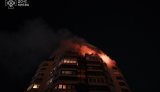 Zelenskyy: Russia answered Trump’s personal request with record number of ballistic missiles, Ukraine awaits reaction President of Ukraine Volodymyr Zelenskyy expects a response from the United States to another massive Russian attack on February 3 and the breach of the "energy truce". 5 416 65 Previously in trend: Attacks on the energy sector Massive rocket attack Massive combined attack
 At night, Russia launched its most powerful strike on energy sector since beginning of year, - DTEK On the night of 3 February, Russia launched its most powerful strike on the energy sector since the beginning of the year. 6 814 24 Previously in trend: Attacks on the energy sector Massive rocket attack
 Trump: I personally asked Putin not to fire into Ukraine for week, he agreed US President Donald Trump said he had personally asked Russian dictator Vladimir Putin not to strike Kyiv and other Ukrainian cities for a week. 15 074 133 Previously in trend: Attacks on the energy sector Massive rocket attack Trump on Putin
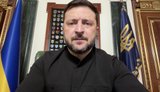 Zelenskyy: Intelligence has information Russia is preparing new strike President Volodymyr Zelenskyy said Russia is preparing a new strike on Ukraine. 6 971 75 Previously in trend: Massive rocket attack
 Congressman Bacon urges Trump to provide Ukraine with long-range weapons and air defense systems Republican Congressman Don Bacon urged U.S. President Donald Trump’s administration to provide Ukraine with long-range weapons and air defense systems amid Russian attacks on energy facilities. 2 552 12 Previously in trend: US aid to Ukraine Massive rocket attack
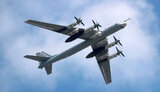 Enemy launched Tu-95MS aircraft. First missiles have been detected, posing threat to Kyiv region (updated) On the night of 20 January, enemy Tu-95MS aircraft were spotted taking off from the Olenya airfield. 5 277 31 Previously in trend: Massive rocket attack Massive combined attack
 Zelenskyy says Russia prepared mass strike, calls for vigilance Russia has prepared for a new large-scale strike on Ukraine. 4 882 45 Previously in trend: Attacks on the energy sector Massive rocket attack
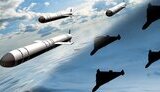 Russia launched about 20 ballistic missiles in hour: Ukraine’s energy infrastructure under attack Russia launched approximately 20 ballistic missiles in one hour — this is the most massive ballistic attack on Ukraine this year. 15 727 31 Previously in trend: Massive rocket attack Air raid alert due to ballistic threat
 There is intelligence information that Russia is preparing new mass strike to deplete air defenses, Zelenskyy says According to Ukrainian intelligence, Russian forces are preparing a new massive strike. Russia plans to use drones and missiles to deplete Ukraine’s air defenses. 8 016 102 Previously in trend: Massive rocket attack Massive combined attack
 Russian strike damages Qatar’s embassy building. World’s reaction needed, Zelenskyy says President Volodymyr Zelenskyy commented on the massive strike on Ukraine on the night of January 9. 3 371 35 Previously in trend: Massive rocket attack Oreshnik missile strike on Lviv
 U.S. Embassy warns of threat of large-scale Russian strike on Ukraine in coming days The U.S. Embassy in Ukraine has warned of a "potentially significant" Russian aerial attack that could occur in the coming days. 8 287 51 Previously in trend: Massive rocket attack Massive combined attack
 There is information that Russia may launch new large-scale overnight strike on Ukraine, Zelenskyy says President Volodymyr Zelenskyy said that on the night of January 9, there may be a new large-scale Russian strike on Ukraine. 6 626 54 Previously in trend: Massive rocket attack Zelenskyy’s address
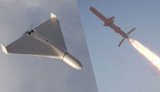 Only four days without shelling: in 2025, Russia attacked Ukraine 361 days, — UA War Infographics Throughout 2025, Russia almost continuously struck Ukraine, using missiles, strike drones, or combined attacks. Only four days in the entire year passed without air strikes on Ukrainian cities. 2 497 10 Previously in trend: Attack of drones Massive rocket attack
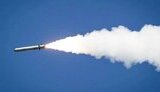 Russia launches another missile attack on Ukraine (updated) On the morning of 27 December, Russian occupiers once again attacked Ukrainian territory with missiles. 11 127 37 Previously in trend: Massive rocket attack
 Romania declared air raid alert during Russian drone attack on Odesa region In Romania, on the night of 23 December, residents of Tulcea and Galați counties received air raid alert notifications during a Russian drone attack on the Odesa region. 774 1 Previously in trend: Massive rocket attack Massive combined attack
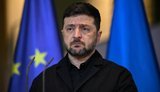 Russians may launch massive strike on Ukraine over Christmas. It is in their character, Zelenskyy says President Volodymyr Zelenskyy warned that the aggressor state Russia may resort to massive missile strikes on Ukraine during the Christmas days. 2 402 63 Previously in trend: Massive rocket attack Massive combined attack
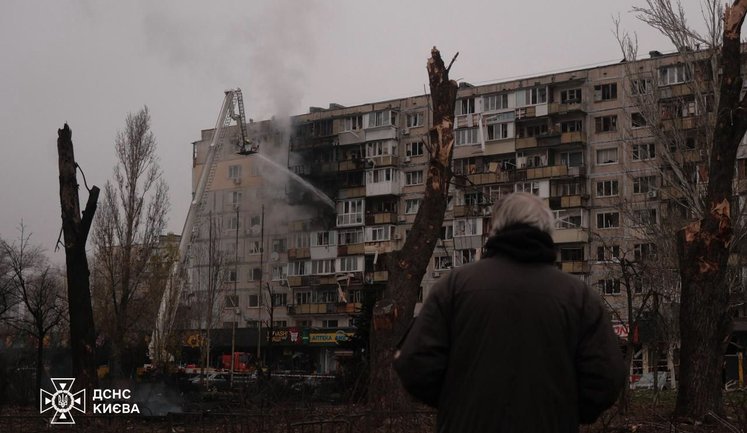
 Consequences of Russian Federation’s attack on Kyiv: number of victims has risen to 27, with damage in seven districts. VIDEO+PHOTOS Twenty-seven people were injured as a result of the enemy's night attack on Kyiv. Seventeen of them, including one child, were hospitalised by medics. Two people were killed. 3 640 2 Previously in trend: Massive rocket attack Massive combined attack
 Russia launches 22 missiles and 460 drones at Ukraine. Four UAVs entered Moldova and Romania – Zelenskyy President Volodymyr Zelenskyy has commented on the overnight Russian strike on Ukraine. 2 257 10 Previously in trend: Massive rocket attack Shelling of Kyiv
 Russia strikes Nova Ukraine charity’s warehouse carrying medical assistance. PHOTO Yesterday, 19 November, the Russian army carried out one of the largest drone and missile strikes in recent months, attacking targets across Ukraine — residential areas, energy facilities, and logistics hubs. 3 050 1 Previously in trend: Massive rocket attack
 Russian Ministry of Defence justified massive strike on Ukraine: "Response to terrorist attacks" The Russian Ministry of Defence stated that the massive missile strike on Ukrainian territory on the night of 14 November was allegedly a "response" to Ukraine's attacks on civilian targets in the Russian Federation. 3 632 24 Previously in trend: Massive rocket attack
 One person was killed and 10 wounded in Russian attack on Kyiv - Kyiv City Military Administration (updated) On the night of Saturday, 25 October 2025, the Russian Federation attacked the capital of Ukraine with ballistic missiles. 12 316 28 Previously in trend: Massive rocket attack
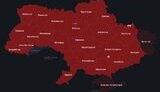 Russia launched missile strike on Ukraine: explosions were heard in Kharkiv, Kropyvnytskyi, Izium and Poltava region On the morning of 16 October, a large-scale air alert was announced across Ukraine. The reason was the take-off of a MiG-31K fighter jet in Russia, which is a carrier of hypersonic "Kinzhal" missiles. 8 319 13 Previously in trend: Massive rocket attack
 Weather conditions hinder interception of enemy targets by 20–30% – Zelenskyy Due to weather conditions, Ukraine’s ability to shoot down enemy targets has decreased by 20–30%. 1 655 30 Previously in trend: Ukrainian Air defence Massive rocket attack
 OSCE condemns Russia’s massive attack on Ukraine: Russia must stop its war of aggression The Finnish Presidency of the OSCE condemned Russia's massive attack on Ukraine on the night of Sunday, October 5. 1 166 10 Previously in trend: Massive rocket attack
 Putin is laughing at West, there is no decent world reaction to shelling - Zelenskyy President Volodymyr Zelenskyy stated that there has been no adequate and strong response from the international community to Russia's constant attacks on Ukraine's civilian infrastructure. 4 163 71 Previously in trend: Massive rocket attack
 Lithuanian Foreign Minister Budrys: "How many more Ukrainians have to die before Europe decisively stops importing Russian oil and gas?" The head of the Ministry of Foreign Affairs of Lithuania called on Europe to end imports of Russian oil and gas. 1 462 13 Previously in trend: Massive rocket attack refusal from Russian gas
 39 out of 53 missiles and 439 drones were destroyed. Six enemy missiles failed to reach their targets - Air Force On the night of October 5, 2025, Russian forces launched a combined strike on Ukrainian territory using strike UAVs and air-, sea-, and ground-based missiles. 3 610 16 Previously in trend: Massive rocket attack
Page 1 of 5
more news