



SSU foiled terrorist attack in Kharkiv region: FSB agents lured military personnel to ’charity party’ with intention of poisoning them. VIDEO+PHOTO
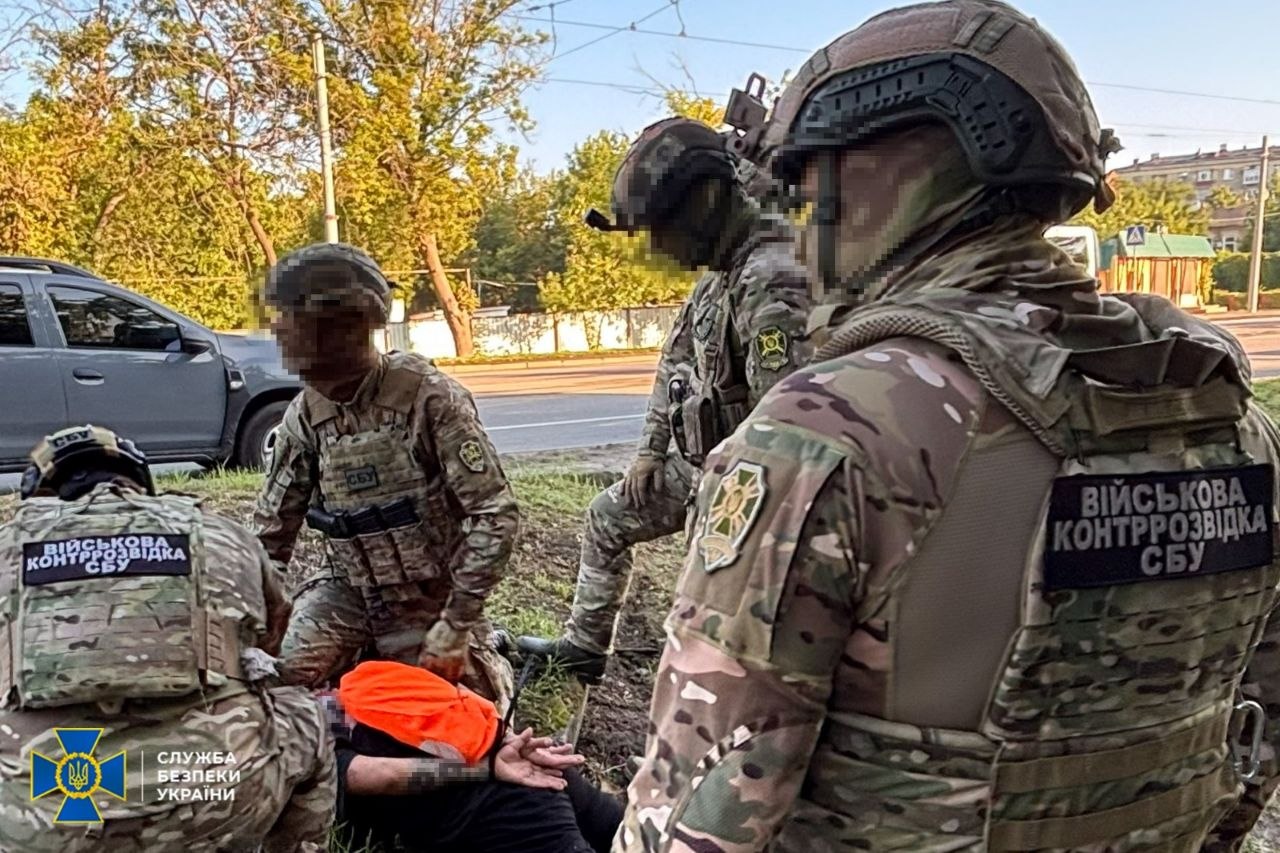
The Security Service’s military counter-intelligence unit, under the personal supervision of SSU Head Major General Oleksandr Poklad, foiled a series of terrorist attacks by the Russian special services in the Kharkiv region. Following a multi-stage special operation, two FSB agents who were planning to assassinate Ukrainian military personnel were detained.
This was reported by Censor.NET, citing the SSU press centre.
"Fake party": how FSB agents attempted to poison several dozen military personnel
The investigation established that both agents had been recruited remotely by the enemy via Telegram channels advertising "easy money". Having agreed to cooperate with the aggressor, they initially carried out test tasks: taking photos and videos of specific sites, as well as setting fire to a Defence Forces vehicle.

Subsequently, the ruscists enlisted the agents in an attempt to kill Defence Forces soldiers during a ‘charity’ party, which was in fact organised by the Russian special services.
According to the case file, to lure Ukrainian military personnel to a "themed event", these suspects rented a house outside the city and posted invitations to the party on a number of local Telegram channels.
10 kg of explosives and synthetic components: preparations for a large-scale terrorist attack
According to the enemy’s plan, during the event, agents were to slip potent substances into drinks, the consumption of which would lead to fatal consequences.
It has been established that several dozen people agreed to attend the party, the majority of whom are members of the Defence Forces.
At the same time, the suspects were instructed by their handler to construct a powerful bomb with a 10 kg explosive charge.
Arrest and charges
Officers from the SSU’s military counter-intelligence unit acted pre-emptively and detained one of the suspects whilst he was carrying a homemade explosive device (HED) in his rucksack. Another female agent, a resident of the Kharkiv region, was detained in a rented house where she was synthesising the components for the bomb.
During searches of the suspects’ premises, components for the IED were seized, along with mobile phones containing evidence of their work for the enemy, including instructions from a Russian handler regarding other intelligence and sabotage tasks.
The suspects have now been charged, in accordance with the offences committed, under the following articles of the Criminal Code of Ukraine:
- Part 1 of Article 14, Part 2 of Article 258 (terrorist act);
- Article 263(1) (unlawful handling of weapons, ammunition or explosive substances).
The suspects have been remanded in custody without the right to bail. They face life imprisonment.


