



No chance of enemy offensive: how Middle strikes are expanding kill zone in the Sloviansk sector. PHOTOS
Drone Industry
Over the past four months, the number of targets hit by middle strikes at an operational depth of over 20 km has increased on average by approximately 13 times, whilst the number of targets hit at a distance of over 40 km has increased by 44 times.
This was reported by Censor.NET, citing the 81st Separate Airborne Brigade.
What is the situation on the Sloviansk front?
As noted, the Sloviansk sector currently remains one of the hottest sections of the front line. Unable to breach the engineering fortifications of the Ukrainian forces, the occupiers have focused on creating a 40-kilometre kill zone. Citiess in the Sloviansk-Kramatorsk conurbation are being systematically razed to the ground by massive strikes from KAB bombs, rocket artillery and drone raids.


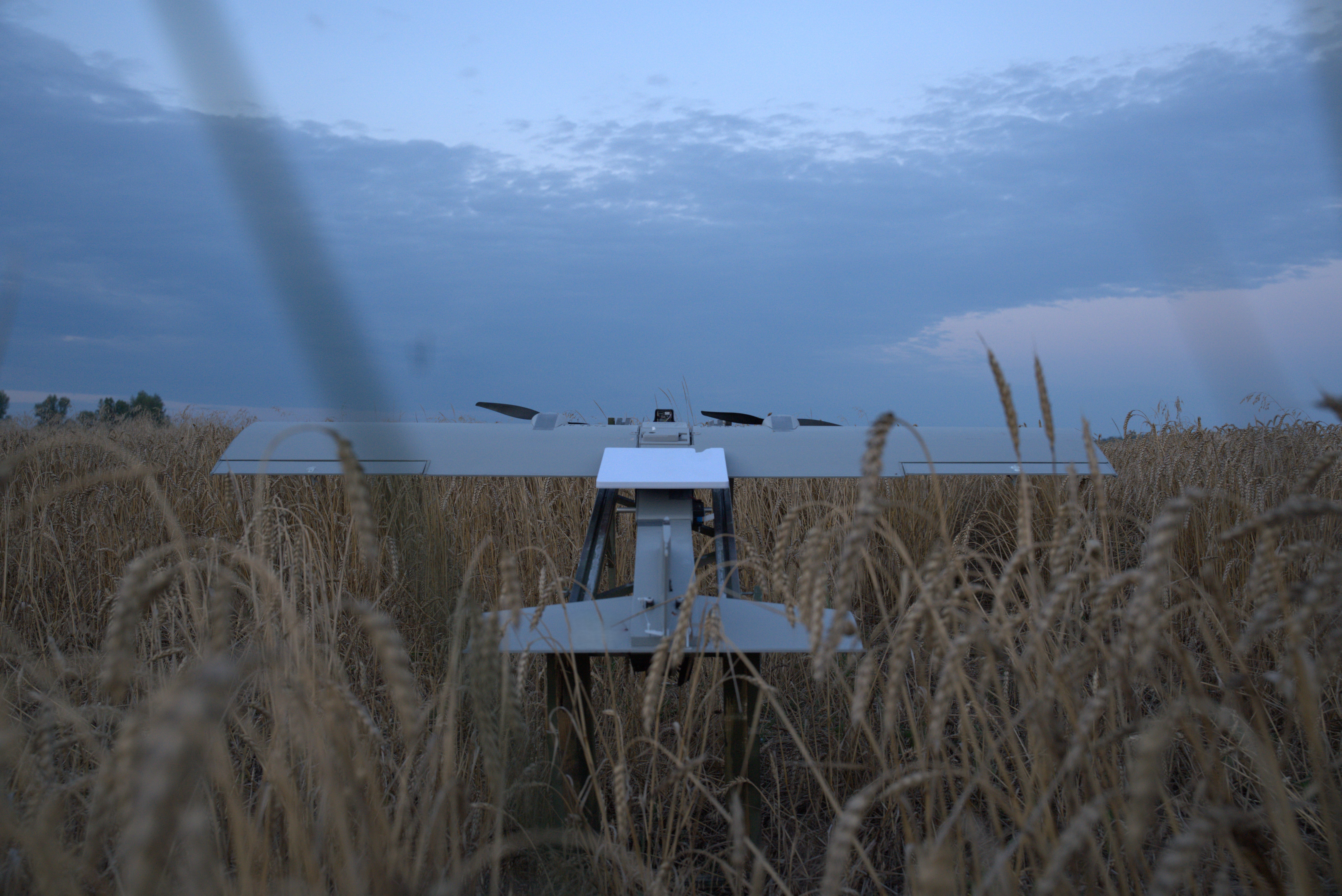
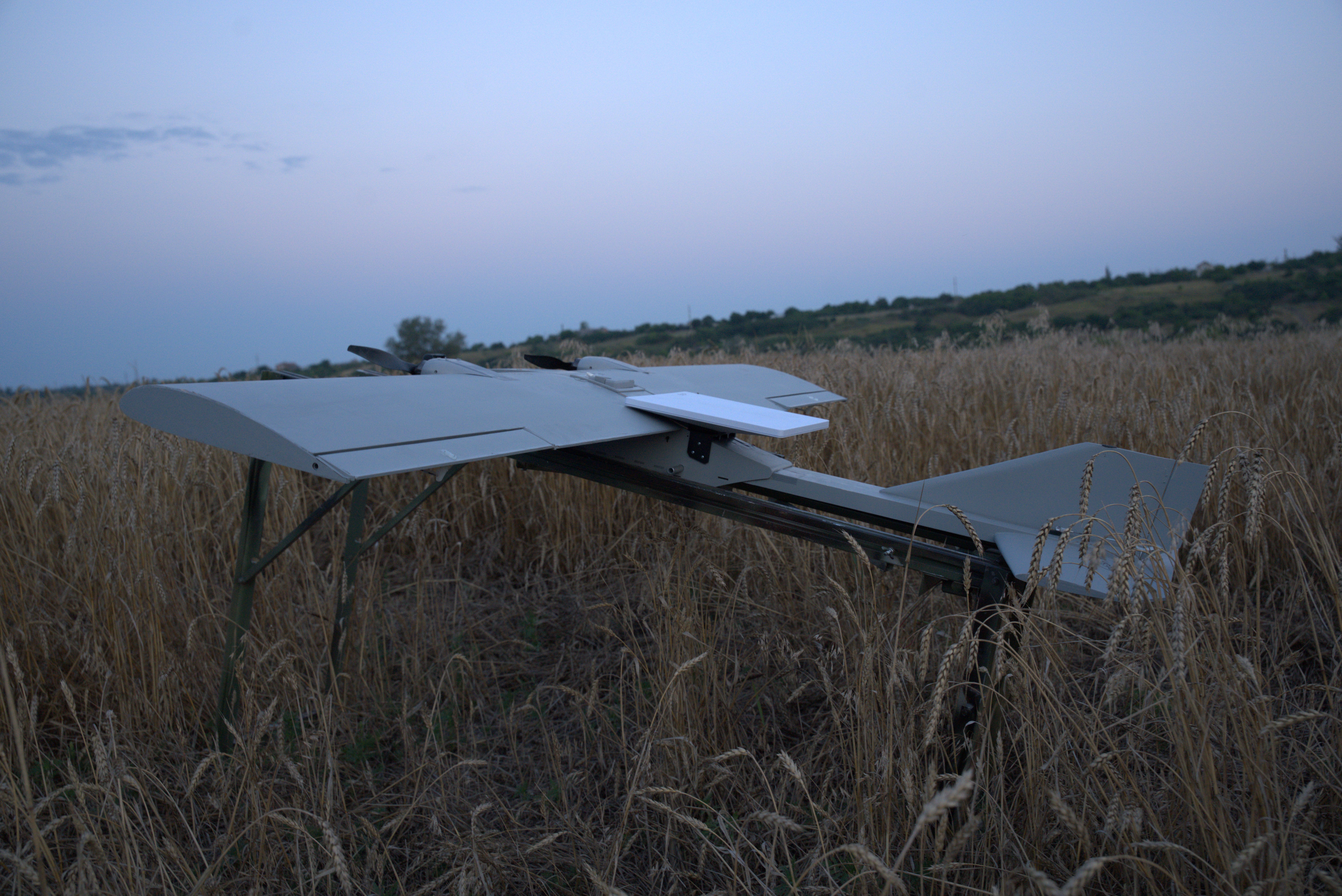
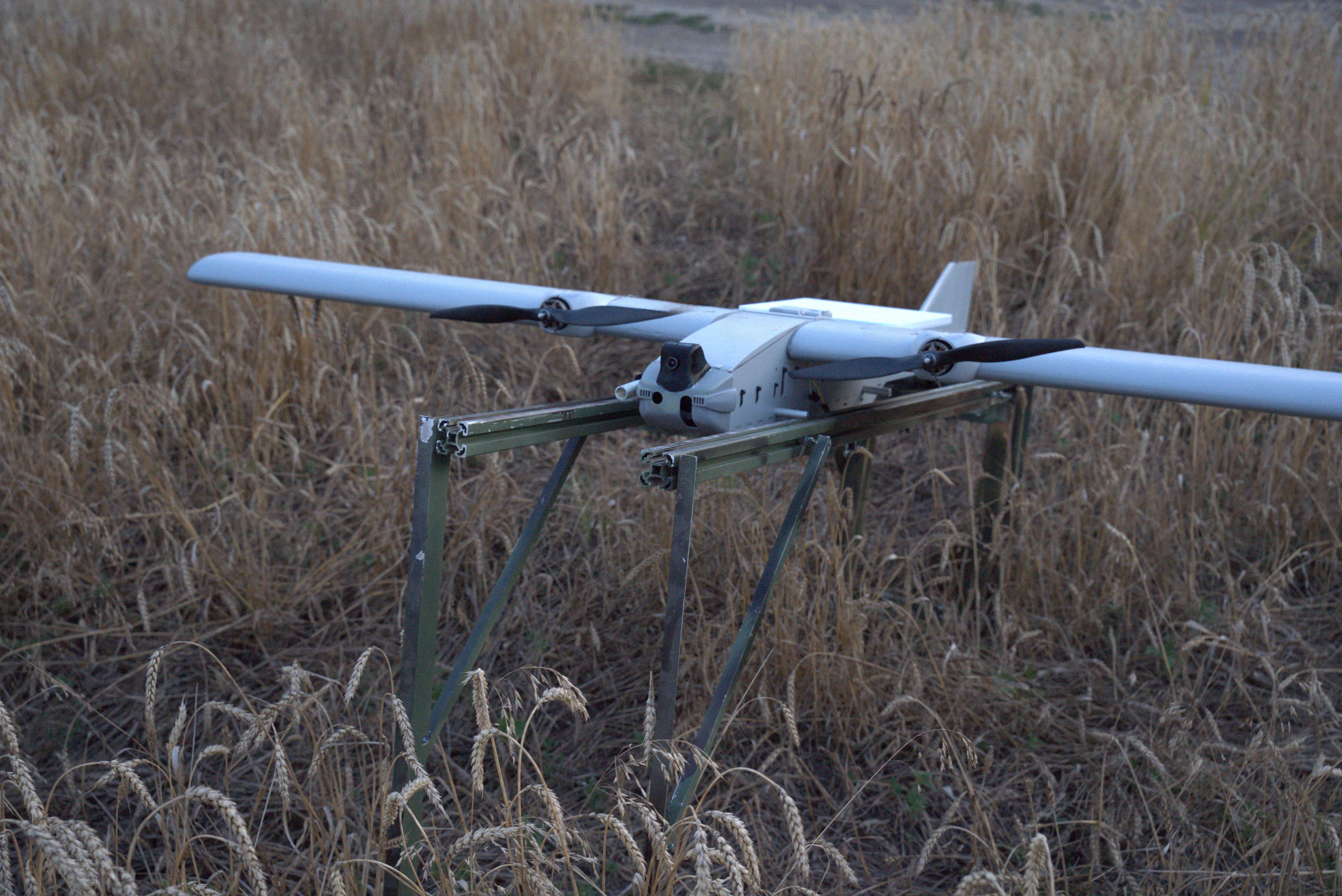


Among those holding back the enemy’s advance and disrupting its logistics in the Sloviansk sector are the unmanned systems units of the 81st Airborne Brigade, part of the 7th Rapid Reaction Corps of the Airborne Forces.
During several days of active combat last month, they destroyed dozens of enemy light and transport vehicles, including buggies and motorbikes.
"The systematic use of middle strikes over recent months has enabled the Defence Forces to expand the area under their control in the Sloviansk-Kramatorsk sector. This secures the first line of defence by maintaining control over the enemy’s operational rear," is how the brigade describes this tactic.
According to the commander of the strike UAV company of the "Apache" UAV battalion, call sign "Charlie", medium-range drones are the most effective means of achieving the set objective. He noted that his unit has recently received a significant number of these systems and is already actively deploying them.
The vast majority of middle strikes, says "Charlie", cover a radius of between 10 and 50 km from the line of contact. Their use allows for the establishment of fire control over the enemy’s so-called operational space. This effectively extends the kill zone towards the enemy.
Thanks to this tactic, the ‘Apache’ unmanned aerial vehicle battalion of the 81st Brigade, 7th Corps of the Airborne Forces, can act pre-emptively, destroying the enemy’s offensive capabilities whilst they are still far from the front line.
"Our aim is to prevent the enemy from engaging in combat and to destroy them in the rear. We will strike the enemy where they think they are out of reach," says "Charlie".
According to a pilot from the 81st Airborne Assault Brigade of the 7th Airborne Corps, the launch and flight of medium-range drones are controlled from protected bunkers or covered positions using computer monitors. The operator, meanwhile, remains safe, far from the launch site. Even if electronic warfare systems completely jam the satellite signal whilst approaching the target, the middle strike drone switches to auto-lock mode, meaning it independently identifies and strikes the intended target.
The enemy is already facing a shortage of ammunition
The last two months have been a period of peak productivity for the ‘Apache’ Air Defence Battalion thanks to the use of medium-range drones.
- First and foremost, we have succeeded in severing the enemy’s logistical arteries, leading to a shortage of ammunition. As a result, enemy assault groups are not receiving sufficient ammunition.
- Secondly, enemy artillery within the operational area can no longer feel safe; any movement is accompanied by an increased likelihood of an immediate retaliatory precision strike.
- Thirdly, through daily middle strikes, elements of the enemy’s infrastructure are identified and systematically destroyed: antennas, repeaters, take-off points and high-value surveillance assets (‘Murom-M’, ‘Irony’, etc.).
"The more we disrupt their logistics, the more problems they face on the front line. There is a shortage of ammunition, drones, fuel and lubricants, and food. The enemy’s morale is also a key factor. Now they’ll think twice before moving out anywhere," concludes the company commander.
According to "Charlie", the effectiveness of combat operations involving middle strikes by "Apache" operators rests on three key elements.
- Firstly, targets are identified using high-precision UAVs, enemy movement patterns are analysed, and camouflaged positions are detected on a 24/7 basis.
- Secondly, from the moment a target is identified by reconnaissance until the strike asset is deployed, only a matter of minutes elapse, so the enemy simply does not have time to change position.
- Thirdly, the operating conditions of the enemy’s electronic warfare systems require operators to possess both the skill to control the drone system and the ability to select non-standard flight paths.
Today, the enemy is attempting to use jamming systems to block Starlink in order to avoid middle strikes. However, soldiers from the ‘Apache’ UAV battalion of the 81st Brigade, 7th Airborne Corps, are constantly taking out these jammers.
Results
At present, medium-range drones are a fully-fledged – and, most importantly, effective – means of engagement. Not only do they halt the occupiers’ advance before it has even begun, but they also significantly reduce the enemy’s combat capability by striking at enemy equipment and infrastructure. Over the past few months, fighters from the 81st Airborne Brigade have destroyed 79 targets, including: 8 large vehicles (tanks, MT-LBs) and three dozen small vehicles (motorbikes, buggies), 10 artillery pieces, 3 electronic warfare systems, 3 refuelling stations, 18 checkpoints, 2 crossings, one power station and one multiple launch rocket system.


