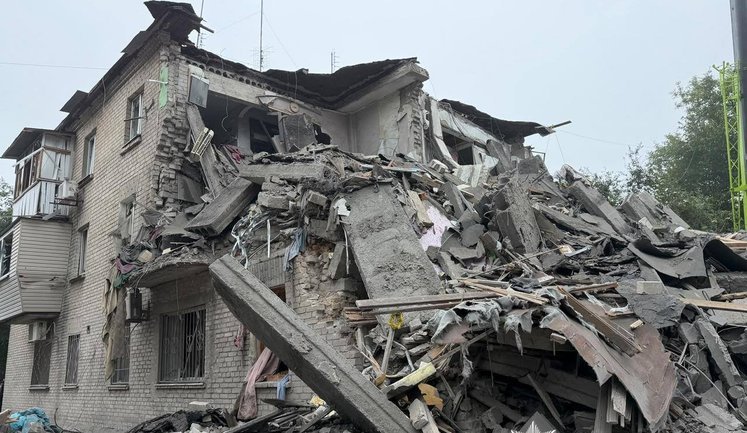
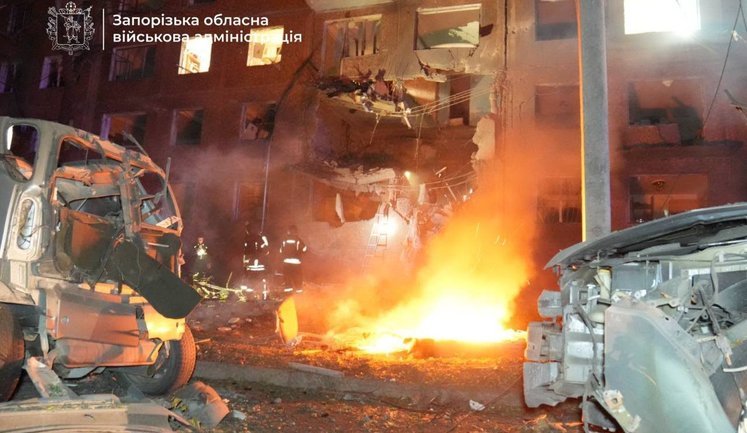
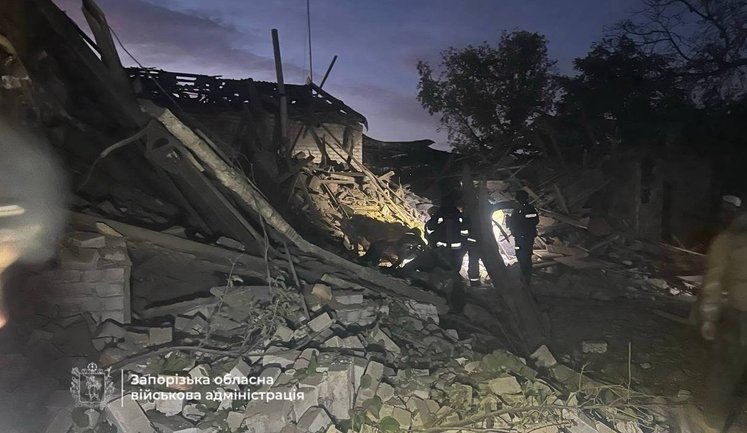
Amid ongoing conflict, Zaporizhzhia has become a primary target in the war zone. Russian forces have reportedly intensified their strikes, focusing on both civilian and industrial targets. Recent incidents include massive shelling that resulted in fatalities and chaos, with infrastructure such as transport and hospitals often affected. Numerous drone and missile attacks have left dozens wounded, destroying homes and businesses. These developments in Zaporizhzhia underscore the severe humanitarian crisis unfolding, with urgent calls for international intervention to protect civilians and restore peace in the region.
What recent events have occurred in Zaporizhzhia due to Russian attacks?
Recent attacks in Zaporizhzhia by Russian forces include a significant missile strike on an infrastructure facility, causing severe injuries and damage. Additionally, drone assaults have resulted in continuous fires and destruction across various districts, impacting both public transportation and residential areas. The intensity and frequency of these attacks have heightened fears among residents and prompted an urgent humanitarian response.
How have Russian attacks affected infrastructure in Zaporizhzhia?
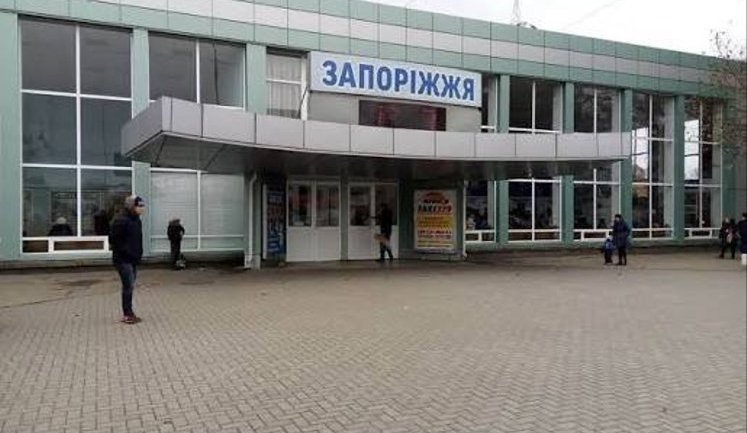
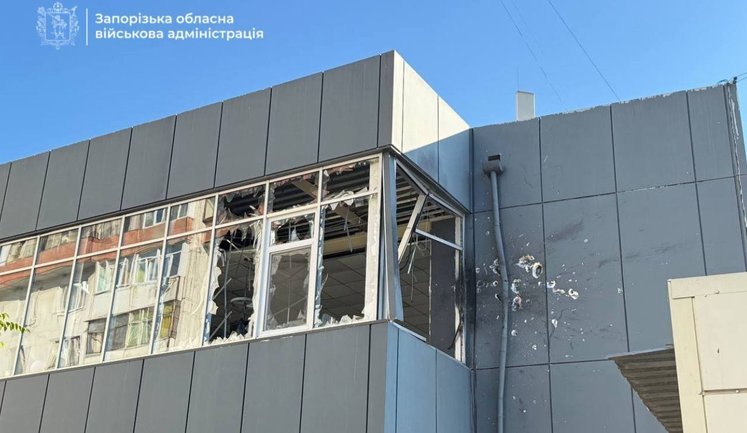
Russian attacks have severely impacted the infrastructure in Zaporizhzhia. Strikes have targeted key facilities, resulting in significant damage to energy and transport networks. Fires have broken out in shopping centers and warehouses, further highlighting the destructive impact on the region's economic and social infrastructure. Restoration efforts are ongoing, but the repeated attacks pose a continuous challenge.
What is the humanitarian situation in Zaporizhzhia following the strikes?
The humanitarian situation in Zaporizhzhia is dire, with numerous casualties reported from ongoing Russian strikes. Many civilians have been injured or displaced, with critical infrastructure such as hospitals and schools possibly being overwhelmed. Humanitarian agencies are calling for urgent aid to alleviate the suffering and provide necessary resources to the affected populations, emphasizing the need for increased security measures and diplomatic interventions.
What measures are being taken to protect civilians in Zaporizhzhia from Russian attacks?
To protect civilians in Zaporizhzhia from continued attacks, local authorities, alongside international bodies, are working to enhance early warning systems and provide emergency shelters. Evacuation plans are in place for high-risk areas, and humanitarian organizations are actively distributing aid and medical supplies. However, persistent hostilities complicate these efforts, underscoring the urgent need for a broader conflict resolution strategy to ensure civilian safety.
What has been the international response to the situation in Zaporizhzhia?
The international community has expressed significant concern over the situation in Zaporizhzhia, condemning the attacks and calling for immediate cessation of hostilities. Several countries and organizations are providing humanitarian aid and calling for peace talks to stabilize the region. Diplomatic efforts are being intensified to pressure the Russian Federation to halt their military aggression and engage in constructive dialogue to end the conflict.