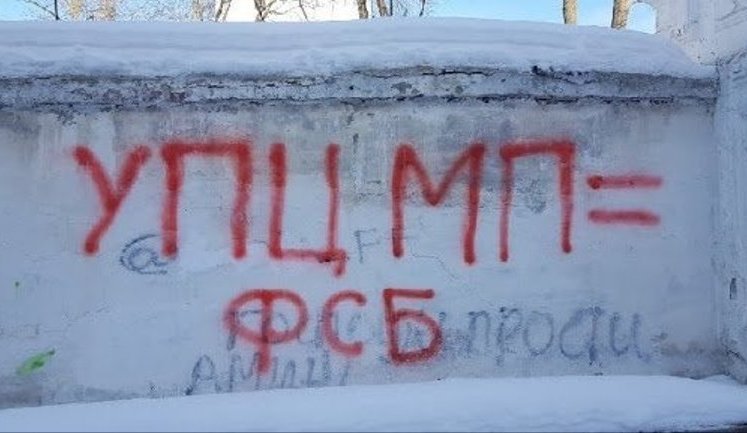
Restrictions and bans are being implemented across Europe and Ukraine in response to Russian actions related to the war in Ukraine. Norway, aligning with international efforts to apply pressure on Russia, has banned entry for Russian and Belarusian athletes in protest against the ongoing conflict. Within Ukraine, there's significant public support for banning religious organizations tied to Moscow, as a response to the influence the Russian Orthodox Church is perceived to wield. Similarly, Lithuania is considering a five-year entry ban for performers who have performed in Russia or Belarus since the conflict's onset. These actions reflect broader regional and international efforts to curtail Moscow's influence by imposing strategic bans.
What is the reason behind Norway's ban on Russian athletes?
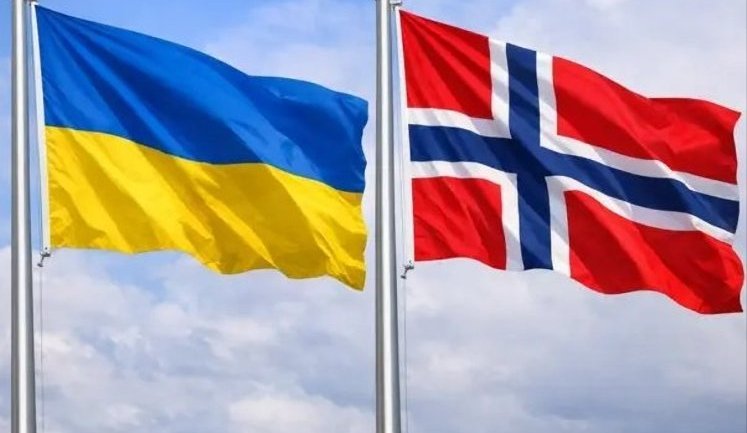
Norway has decided to ban Russian and Belarusian athletes from entering the country due to ongoing Russian aggression in Ukraine. By restricting their participation in international sports events, Norway aims to apply international pressure against the Russian government's policies and actions in Ukraine.
How does the Ukrainian public view the Russian Orthodox Church?
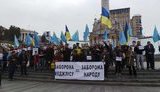
A significant portion of the Ukrainian public supports banning the Russian Orthodox Church, viewing it as an extension of Russian political influence in Ukraine. Many believe that the church's activities align with Russian interests, leading to widespread calls for its prohibition within Ukraine.
What is the basis for Lithuania's proposed performer entry ban?
Lithuania proposes a five-year entry ban on performers who have worked in Russia or Belarus since February 24, 2022. This measure is intended to discourage cultural figures from supporting or associating with countries involved in hostile actions against Ukraine, demonstrating Lithuania's stand against Russian aggression.
Why is the Russian Orthodox Church facing a potential ban in Ukraine?
There are accusations that the Russian Orthodox Church operates as a tool of Russian influence, particularly in supporting actions and policies detrimental to Ukrainian sovereignty. Consequently, there is a movement within Ukraine to ban the Church to safeguard national interests and counter foreign influence.
What impact does the proposed Lithuanian ban have on international performers?
If enacted, the Lithuanian ban would restrict international performers who have appeared in Russia or Belarus from entering Lithuania for five years. It signifies Lithuania's stand against individuals or entities that align themselves with Russian political interests, thereby limiting cultural exchanges with those who support Russia's actions against Ukraine.