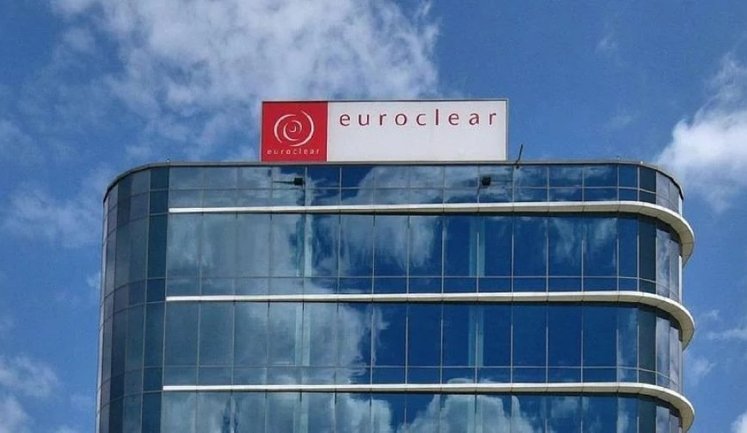
The issue of frozen Russian assets remains a pivotal topic in international politics, particularly concerning Ukraine's reconstruction efforts. In recent years, the European depository Euroclear generated significant income from investing these frozen assets, showing both the financial impact and the complexities involved in asset handling. Despite budget benefits, debates intensify over the legal frameworks for transferring these assets to Ukraine. Notably, Ukrainian officials, alongside global leaders, stress the importance of using these funds for rebuilding efforts post-conflict. Current legal and diplomatic efforts aim to facilitate this transition, spotlighting the necessity for timely and equitable asset management practices. These discussions are actively supported by entities such as the EU and the G7, emphasizing global solidarity with Ukraine.
What is the significance of frozen Russian assets?
Frozen Russian assets represent financial resources immobilized due to international sanctions, primarily aimed at compelling Russian compliance with international norms. The debate unfolds around utilizing these funds for Ukraine's post-conflict reconstruction, underlining their potential socio-economic impact.
Why is Euroclear earning from Russian assets newsworthy?
Euroclear earned significant interest from frozen Russian assets, highlighting the financial ramifications of international sanctions. This scenario unfolds amidst debates on redirecting such earnings for Ukraine's benefit, raising questions about the ethical and legal use of seized funds.
How are international organizations involved in asset discussions?
International organizations, such as the EU and G7, engage in discussions about reallocating frozen assets to aid Ukraine. These bodies underscore collective efforts to establish legal frameworks ensuring the effective maneuvering of such funds for rebuilding Ukraine.
What steps are being taken to nationalize assets in Ukraine?
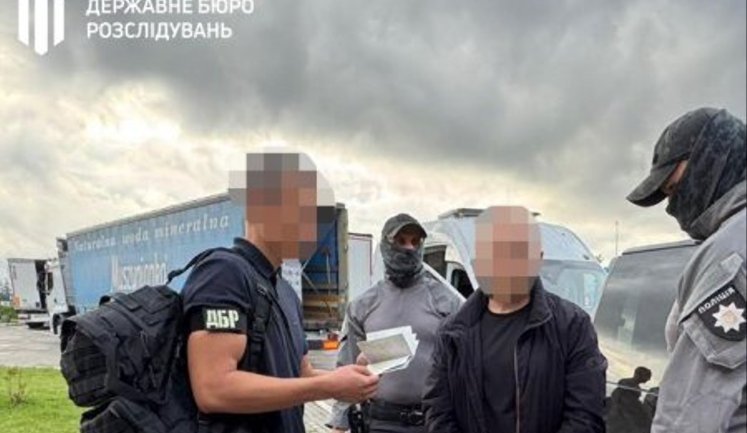
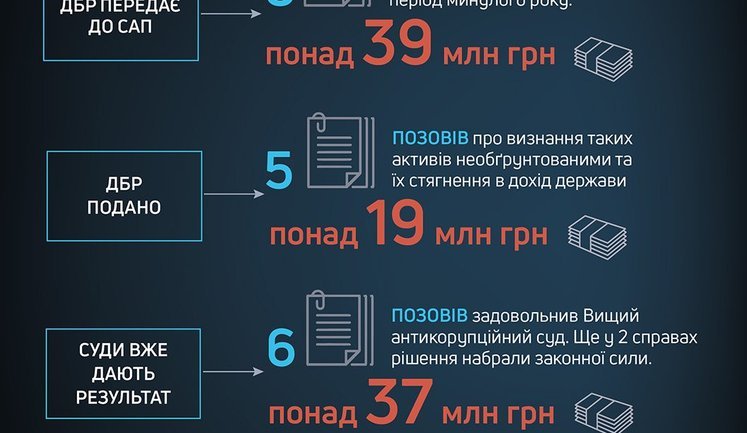
Ukraine, through its judicial system and security services, executes nationalization measures against sanctioned foreign assets. The High Anti-Corruption Court enabling the State's acquisition of such assets signifies legal strides towards utilizing these resources for national needs.
What legal complexities arise in transferring assets to Ukraine?
The legal complexities in transferring frozen assets to Ukraine involve international law compliance, sanctions legality, and procedural harmonization across jurisdictions. Such legal navigation aims to ensure rightful use while maintaining geopolitical sensitivities and fairness.
How does Ukraine plan to use confiscated Russian assets?
Ukraine intends to channel confiscated Russian assets towards post-war reconstruction and socio-economic recovery. This plan promises to offset extensive damage costs, emphasizing effective asset application for national rejuvenation and resilience building.