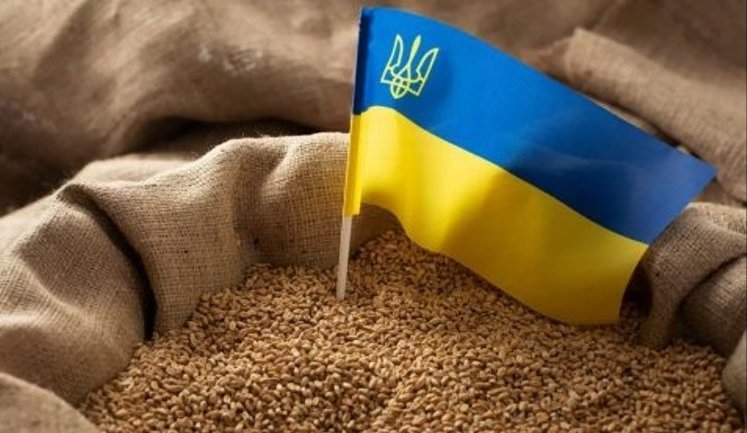
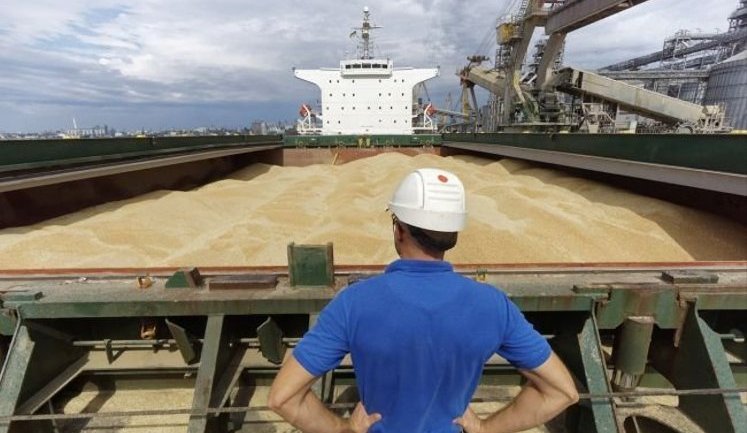
The ongoing conflict in Ukraine significantly affects grain exports, highlighting vital issues around Black Sea logistics and international trade. The recent refusal by Russia to renew the Black Sea Grain Agreement underscores obstacles in ensuring safe passage for vessels. Turkey's efforts to mediate a new safe corridor emphasize regional dynamics, while Lithuania's call for enhanced air defense for Ukraine seeks to secure critical export routes. Intensified Russian attacks have stranded numerous ships on the Danube, further complicating logistics. Meanwhile, disputes over grain trade routes continue to stir tensions globally, with countries like Moldova grappling with local protests and demands for policy adjustments. These events showcase the interconnected nature of global trade and the critical role of grain exports in maintaining economic stability and food security worldwide.
What is the Black Sea Grain Agreement, and why is it important?
The Black Sea Grain Agreement was a critical pact facilitating the safe export of Ukrainian grain across the Black Sea. Its renewal is paramount as it helps stabilize the global grain market, mitigating food crises by ensuring the free flow of agricultural products from one of the world's key breadbaskets.
How are Turkish efforts shaping the grain export routes?
Turkey's engagement in drafting a new plan for safe grain transport highlights its pivotal role in diplomacy. Collaborating with Ukraine and Russia, Turkey aims to secure Black Sea routes, reflecting its strategic interest in regional stability and commitment to supporting global food security.
What challenges do Ukrainian ports face amid recent conflicts?
Ukrainian ports are under siege due to intensified Russian military activities, stranding ships and disrupting grain exports. These challenges are causing logistical bottlenecks and significant financial losses for the shipping industry, while increasing regional and global economic tensions.
What is the impact of stolen grain exports on international relations?
Illegally exported Ukrainian grain is a point of contention in international diplomacy, potentially souring relations with nations receiving these goods. Such actions undermine international law, leading to diplomatic protests and threats of sanctions, complicating global trade and diplomatic interactions.
How is the global grain market affected by the Ukraine-Russia conflict?
The conflict between Ukraine and Russia disrupts global grain supply chains, escalating prices and scarcity worries. As key players in the agricultural sector, their inability to maintain steady exports shakes market stability, impacting food security worldwide particularly in grain-dependent regions.