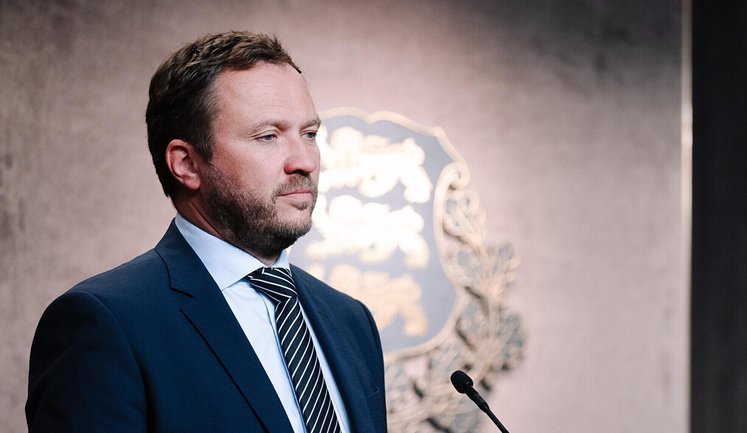
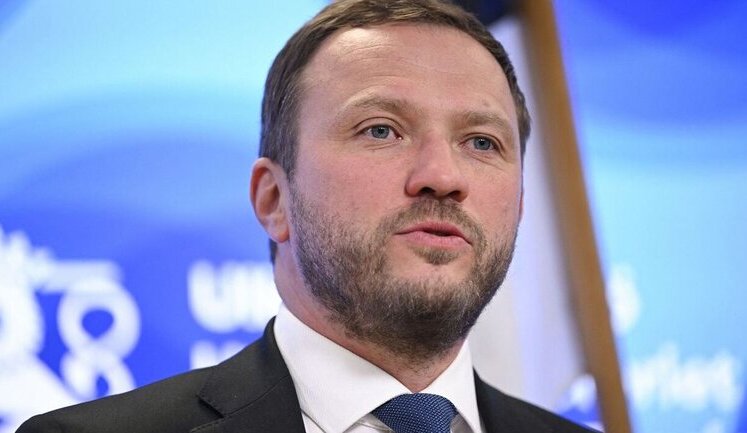
Estonian Foreign Minister Margus Tsahkna has emerged as a firm advocate for European security in the face of Russian aggression. Recently, Tsahkna opposed the use of Estonian airspace for Slovak Prime Minister Fico's trip to Moscow, stressing the need for Europe to seek security guarantees from Ukraine considering its ongoing war experience. He criticized the decision to allow Russian and Belarusian athletes to compete in the Paralympic Games, highlighting the disgrace of normalizing relations with aggressor states. Furthermore, Tsahkna condemned Russia's barbaric military actions, such as the strike on a maternity hospital, exemplifying its lack of humanity. Estonia, alongside international allies, continues to push for stringent sanctions and measures to curb Russian hostility.
What is Margus Tsahkna’s position on Russia’s participation in sports events?
Estonian Foreign Minister Margus Tsahkna firmly opposes the participation of Russian and Belarusian athletes in international sporting events such as the Paralympic Games. He believes allowing them to compete is a disgrace and undermines the global effort to hold Russia accountable for its continued aggression and acts against Ukraine, emphasizing the importance of maintaining international pressure on Russia.
How does Margus Tsahkna view Europe’s need for security guarantees?
Margus Tsahkna has emphasized the necessity for Europe to secure guarantees from Ukraine based on its wartime experiences. He believes that Ukraine’s position and resilience in the current conflict make it a vital partner in ensuring the continent's peace and security. By considering Ukraine's experiences, Europe can better prepare for future threats, and reinforce its defensive strategies.
What has Tsahkna said about Russia’s attacks on civilians in Ukraine?
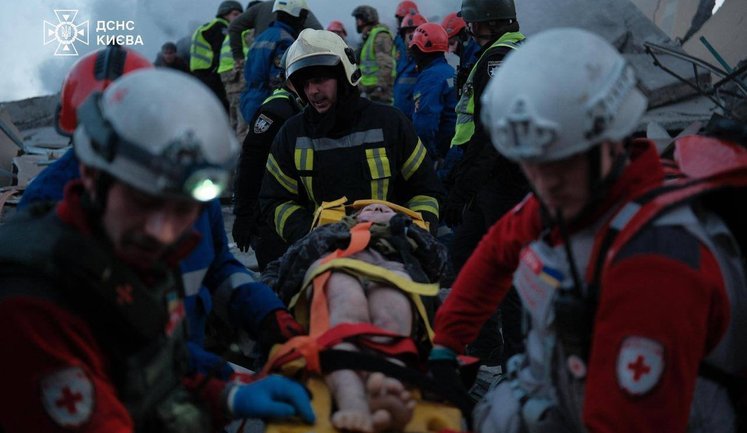
Margus Tsahkna has been vocal in condemning Russia’s attacks on civilians in Ukraine, describing such acts as barbaric and inhumane. He is especially critical of instances where innocents, such as in Zaporizhzhia and Kharkiv, have been targeted, seeing these attacks as further evidence of Russia’s blatant disregard for humanitarian norms and an urgent call for international accountability.
What actions has Estonia taken in response to Russian aggression in Ukraine?
In response to Russian aggression, Estonia, with Margus Tsahkna's leadership, has taken significant steps such as proposing entry bans into the Schengen area for Russian military participants, allocating funds to support Ukrainian civilians, and ensuring readiness to defend its airspace. Estonia has also actively supported international sanctions against Russia and continues to advocate for stronger collective measures within the European Union to counter Russian actions.
How does Margus Tsahkna view the relationship between Russia and NATO?
Margus Tsahkna views Russia as a significant threat to NATO, arguing that the alliance must remain vigilant and prepared. He calls for increased military readiness and enhanced defense budgets among NATO members to counteract any Russian provocations. Tsahkna emphasizes that decisive actions and clear signals of defense preparedness are vital to deterring further Russian aggression and preserving European and transatlantic security.
Why did Estonia ban Slovak Prime Minister Fico’s flight to Russia over its airspace?
The Estonian government, under the guidance of Margus Tsahkna, prohibited Slovak Prime Minister Fico’s flight through its airspace en route to Russia to demonstrate firm opposition to unnecessary diplomatic engagements with Moscow during its ongoing aggression in Ukraine. The ban serves as a statement against any normalization or appeasement efforts and underscores Estonia’s commitment to align with international resistance to Russian military actions.
What is Margus Tsahkna’s opinion on European Union sanctions against Russia?
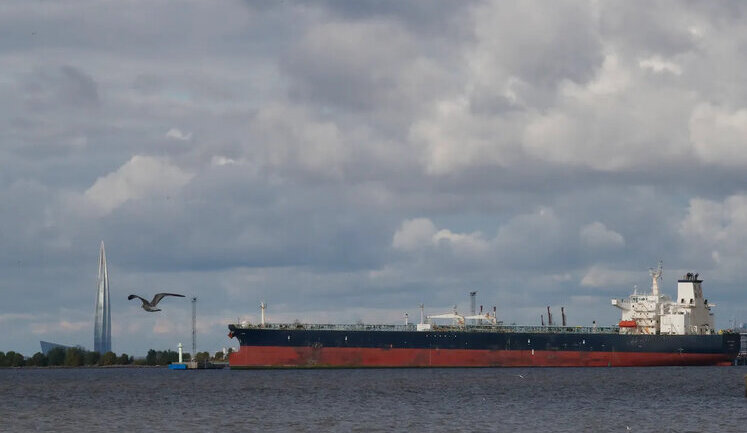
Margus Tsahkna is a strong advocate for the European Union’s sanctions regime against Russia. He believes that aggressive economic measures are crucial in pressuring the Russian state to cease hostilities in Ukraine. He supports ongoing and future sanctions packages, including setting price ceilings on Russian oil, to weaken Russian financial resources and uphold international peace efforts.