ENG




19532 visitors online
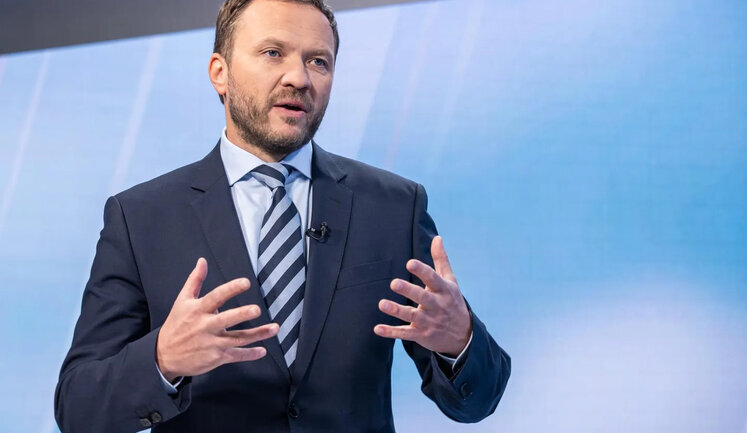
Estonian Foreign Minister Margus Tsahkna has been vocal about the need for Europe to impose stricter sanctions on Russia to expedite diplomatic negotiations. He emphasized that Russia's recent military actions, including missile and drone attacks on Ukraine, demonstrate its unyielding stance in the conflict. Tsahkna has advocated for a rapid establishment of a tribunal to examine Russia's acts of aggression and urged European countries to take more responsibility for preserving peace in Ukraine. He maintains that persistent pressure on Russia is vital to align it towards a ceasefire and stable peace agreement, particularly as Ukraine gains military superiority.
What is Margus Tsahkna's stance on sanctions against Russia?
Margus Tsahkna strongly advocates for implementing more severe sanctions on Russia. According to him, these measures are necessary to coerce Russia into negotiations and to respond effectively to its ongoing military aggression against Ukraine. Tsahkna emphasizes that only through sustained pressure can Europe help bring about a genuine peace process.
Why does Margus Tsahkna oppose negotiations with Russia now?
Tsahkna argues that since Ukraine has gained an upper hand in the conflict, negotiating with Russia would be premature. He contends that Russia remains in a precarious position, and maintaining pressure is crucial to altering its aggressive strategy. According to Tsahkna, any negotiations without substantial leverage could undermine Ukraine’s efforts and prolong the conflict.
Does Margus Tsahkna propose new actions by the EU regarding Russia?
Yes, Tsahkna suggests the European Union should take increased responsibility for peace in Ukraine by fast-tracking enlargement negotiations and tightening sanctions against Russia. He believes EU actions should reflect a strong stance against Russian aggression, aiming to strengthen European security and support Ukraine's defense capabilities.
What is Tsahkna's view on Europe's role in the Ukraine-Russia war?
Margus Tsahkna believes Europe has a critical role in aiding Ukraine to withstand Russia’s military actions. He suggests that Europe must provide continued support and maintain strong diplomatic pressure on Russia to deter further aggression and uphold peace. Tsahkna stresses the significance of strategic solidarity among European countries to confront Russian threats effectively.
What does Tsahkna say about establishing an international tribunal?
Tsahkna stresses the urgency of establishing a special tribunal to prosecute Russian aggression against Ukraine. He argues that this tribunal would not only ensure accountability for Russia's actions but also serve as a deterrent against future violations. Tsahkna believes that international legal measures are essential for enforcing justice and maintaining international order.
News Margus Tsahkna
 Estonian Foreign Minister Tsahkna has arrived in Kyiv. VIDEO Estonian Foreign Minister Margus Tsahkna has arrived in Kyiv on a visit. 683 2 Previously in trend: Tsahkna’s visit to Ukraine
 Estonia’s Foreign Minister met with Trump Jr: they discussed Ukraine Estonian Foreign Minister Margus Tsahkna said that he had held a lengthy discussion about Ukraine in Tallinn with the eldest son of US President Donald Trump. 1 170 10 Previously in trend: Trump Junior claims about Ukraine
 Threat from Russia to country has not changed, - Estonian Foreign Minister Tsahkna Estonian Foreign Minister Margus Tsahkna stated that the threat from Russia has not changed following the CIA director’s visit to Moscow and called for the strengthening of NATO. 465 2 Previously in trend: Ratcliff visit to Moscow
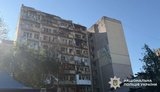 Foreign Ministers of Finland and Estonia condemned Russian attack: Russian campaign of terror knows no bounds The foreign ministers of Finland, Elina Valtonen, and Estonia, Margus Tsahkna, condemned Russia’s massive attack on Ukraine and stated that Russia must be held accountable. Finland and Estonia expressed their solidarity with Ukraine. 450 4 Previously in trend: Massive combined attack
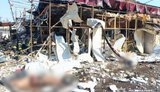 Estonian Foreign Minister Tsahkna has called for increased pressure on Russia following attack on Pechenihy Following the deaths of 10 people as a result of a Russian missile strike on Pechenihy in the Kharkiv region, Estonia’s Foreign Minister Margus Tsahkna called on international partners not only to condemn Russia’s actions, but also to step up pressure on the Kremlin. 511 5 Previously in trend: Estonia on the war in Ukraine
 Tsakhkna after night strike: Russia does not seek peace, tougher sanctions are needed Following Russia’s overnight attack on Ukraine, Estonian Foreign Minister Margus Tsahkna called for tougher sanctions against Russia, increased military support for Kyiv, and holding Moscow accountable. 1 129 17 Previously in trend: Missile attack on Kyiv
 Violation of Polish airspace shows that Russia’s war extends beyond Ukraine and threatens the security of NATO and EU, - Tsakhkna Estonian Foreign Minister Margus Tsahkna criticized Russia's massive attack on Ukraine and the violation of Poland's airspace by a Russian cruise missile. 1 623 18 Previously in trend: Russia’s attack on NATO countries Threat of Russian agression to EU
 Tsahkna on Ukraine’s long-range strikes: Now is the time to show strategic patience and increase pressure on Russia Estonia has called on its European allies to show greater "strategic patience" and increase pressure on Russia amid Ukraine’s intensified long-range strikes on Russian territory. 411 0 Previously in trend: Pressure on russia
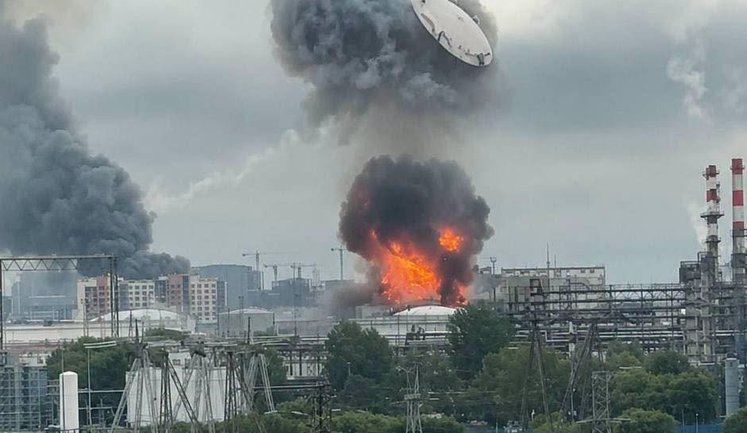
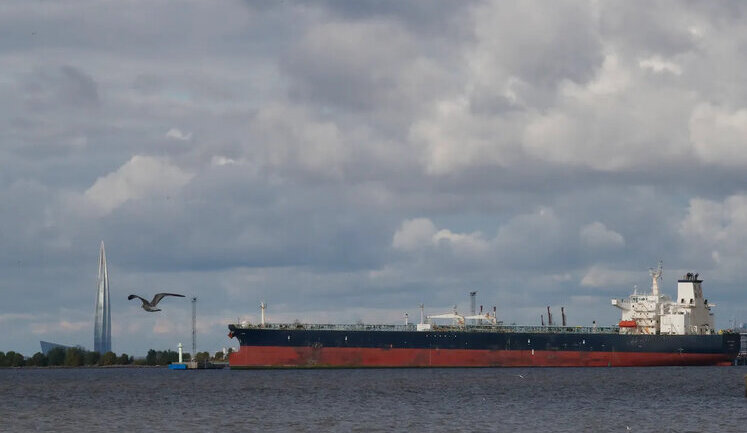
 "Photo of Day": Tsahkna has published photo of Moscow Oil Refinery engulfed in flames. PHOTO Estonian Foreign Minister Margus Tsahkna has posted a photo that is circulating online following the Ukrainian strikes on the Moscow oil refinery on 18 June. 11 907 16 Previously in trend: Strike on oil refinery in Moscow
 Ukraine’s "long-range sanctions" against Russia are working well, - Tsakhkna Europe should impose more sanctions on Russia and do so quickly in order to force Moscow to the negotiating table. 876 3 Previously in trend: Striking Russia
Now is not time for negotiations with Russia; it is in precarious position, and we need to keep up pressure, - Tsahkna Europe should not enter into direct negotiations with Russia while Ukraine has gained the upper hand in the war. 3 403 58 Previously in trend: negotiations with Russia
 Russia has not abandoned its goals in war against Ukraine, - Tsakhkna Estonian Foreign Minister Margus Tsahkna stated that Russia’s massive missile and drone strike on Ukraine confirms the Kremlin’s intention to continue the war against Ukraine. 859 4 Previously in trend: Massive combined attack
 Special tribunal for crime of aggression by Russian Federation must be established immediately, - Tsakhkna Estonian Foreign Minister Margus Tsahkna stressed the need to establish a tribunal as soon as possible to investigate Russia’s crime of aggression against Ukraine. 756 2 Previously in trend: Russian aggression against Ukraine special tribunal for the crimes of the Russian Federation
 President Karis’s statements regarding dialogue with Russia contradict Estonia’s foreign policy, — Tsahkna Estonian Foreign Minister Margus Tsahkna stated that President Alar Karis's position on dialogue with Russia contradicts the country's foreign policy. 1 266 6 Previously in trend: negotiations with Russia
 21st package of sanctions against Russia will be quite harsh, - Estonian Foreign Minister Tsahkna The European Union is currently preparing its 21st package of sanctions against Russia, which is expected to be quite harsh, particularly with regard to energy resources. 1 910 15 Previously in trend: EU sanctions against Russia
Europe must take more responsibility for peace in Ukraine – Tsahkna Estonian Foreign Minister Margus Tsahkna believes that the EU should take greater responsibility for peace in Ukraine and accelerate the opening of enlargement negotiation clusters. 694 3 Previously in trend: Peace process
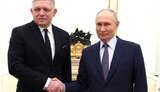 Estonia has banned Fico from flying to Russia on 9 May via its airspace Estonia has banned Slovak Prime Minister Fico from using its airspace for a visit to Moscow on May 9. 2 149 15 Previously in trend: Fico is going to Moscow on 9th May
 Estonia and Lithuania express support for Ukraine after terrorist attack in Kyiv: There is no justification for such violence Estonia and Lithuania have expressed their condolences to Ukraine following yesterday's terrorist attack in Kyiv. 1 210 5 Previously in trend: Shooting in Kyiv
Europe needs security guarantees from Ukraine, - Tsakhkna Estonian Foreign Minister Margus Tsahkna stated that Europe must take Ukraine’s wartime experience into account and needs security guarantees from it. 5 425 18 Previously in trend: Integration of Ukraine into the EU defense system
 Tsahkna: Allowing Russia and Belarus to participate in Paralympic Games is disgrace Estonian Foreign Minister Margus Tsahkna called the decision by the organizers of the 2026 Winter Paralympics to allow some athletes from Russia and Belarus to participate in the competition a disgrace. 1 055 4 Previously in trend: Paralympics 2026
 If Russia invades Estonia, we will take war to their territory, - Tsahkna Estonian Foreign Minister Margus Tsahkna said that claims that his country is one of the most vulnerable in Europe to potential Russian aggression are not true. 4 290 18 Previously in trend: Threat of Russian agression to EU
Tsahkna on Russia’s strike on maternity hospital in Zaporizhzhia: Russia has once again shown world its cruel face Estonian Foreign Minister Margus Tsahkna said that by striking a maternity hospital in Zaporizhzhia, Russia had once again shown the world its cruel face. 1 456 6 Previously in trend: Shelling of the Zaporizhzhia region Shelling of Zaporizhzhia
 Estonia allocates 400 thousand euros for Ukrainians left without heating and electricity - Tsakhkna Estonian non-governmental organizations will allocate approximately €400,000 to help Ukrainians who have been left without heating and electricity. The funds will be used to support mobile crisis centers and evacuation points. 914 15 Previously in trend: Attacks on the energy sector Aid to Ukraine from Estonia
Estonia proposes to ban entry to Schengen for all Russians who fought in Ukraine - Tsakhkna Estonian Foreign Minister Margus Tsahkna proposes banning entry into the Schengen area for anyone who served in the Russian army and participated in hostilities on Ukrainian territory. 1 940 28 Previously in trend: Schengen is closed for Russians
 Tsakhkna responded to Schröder on "demonization" of Russia: Full-scale war against Ukraine is direct consequence of Russian Federation’s appeasement policy Estonian Foreign Minister Margus Tsahkna responded to calls by former German Chancellor Gerhard Schröder to stop "demonizing" Russia and resume energy cooperation with it, calling them "appalling." 4 056 18 Previously in trend: EU’s rejection of Russian energy resources EU procurement of Russian energy resources
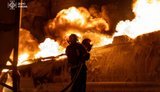 Tsakhkna on massive attack on Ukraine: Russia must pay Estonian Foreign Minister Margus Tsahkna responded to today's massive attack by the Russian Federation on Ukraine and called for Russia to be held accountable. 2 125 14 Previously in trend: Shelling of Ukraine
 Tsakhkna on Red Cross’s statement on strikes in Ukraine and Russian Federation: Aggressor and victim cannot be compared Estonian Foreign Minister Margus Tsahkna responded to the statement by the International Committee of the Red Cross condemning the strikes "in Ukraine and Russia." 2 148 10 Previously in trend: Attacks on the energy sector Striking Russia
Estonia declares readiness to shoot down Russian planes in case of threat Estonian Foreign Minister Margus Tsahkna emphasized that the country is prepared to shoot down Russian aircraft and open fire in the event of an invasion. 1 551 21 Previously in trend: Threat of Russian agression to EU Russian aircraft violates Estonian airspace
 Russia’s holiday-season strikes on Ukraine’s energy sector will not go unanswered, Tsahkna says Estonia’s Foreign Minister Margus Tsahkna reacted to Russia’s attacks on Ukrainian regions during the holiday season. 2 301 10 Previously in trend: Attacks on the energy sector
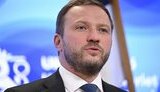 Real "peace plan" consists of two main elements - pressure on Russia and support for Ukraine - Tsakhkna Estonian Foreign Minister Margus Tsahkna said that any potential peace plan, even if agreed upon by the US, Ukraine, and European countries, would only make sense if Russian President Vladimir Putin changed his goals. 924 10 Previously in trend: US peace plan
 Putin smells blood and is not yet ready for peace, - Tsakhkna Estonian Foreign Minister Margus Tsahkna believes that the actions of Russia and dictator Putin show no signs of peace coming to Ukraine in the near future. 1 755 14 Previously in trend: US peace plan
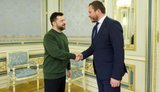 Zelenskyy and Tsahkna discuss drone production and defense support for Ukraine President of Ukraine Volodymyr Zelenskyy met with Estonian Foreign Minister Margus Tsahkna in Kyiv. 572 4 Previously in trend: Drone industry Tsahkna’s visit to Ukraine
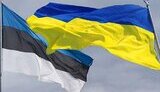 Estonia allocates new financial aid to Ukraine: €150,000 to support energy system Estonian Foreign Minister Margus Tsahkna has announced new financial assistance for Ukraine’s energy sector, which continues to suffer from Russian attacks 543 2 Previously in trend: Attacks on the energy sector Aid to Ukraine from Estonia
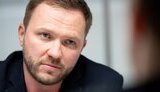 Tsahkna on Russian air strike on hospital in Kharkiv: "Russia is descending to new level of barbarism" Estonian Foreign Minister Margus Tsahkna condemned Russia's airstrike on a hospital in the Saltiv district of Kharkiv, calling it "a new level of barbarism." 1 513 2 Previously in trend: Shelling of Kharkiv
Tsahkna on situation on border between Estonia and Russia: reports are exaggerated, nothing extraordinary is happening Estonian Foreign Minister Margus Tsahkna called reports that the situation on the Estonian-Russian border is becoming tense exaggerated. 1 863 4 Previously in trend: Estonia protects border with Russia
Tsakhkna expects further Russian provocations aimed at testing NATO Estonian Foreign Minister Margus Tsakhna is pleased with NATO's strong response to the violation of his country's airspace by Russian fighter jets last month. However, he expects further provocations from Moscow. 690 8 Previously in trend: Threat of Russian agression to EU
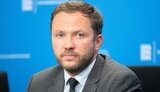 Putin’s unwillingness to acknowledge collapse of USSR and mistakes of West were causes of war in Ukraine, - Tsahkna The real reason for the war is Putin's unwillingness to accept the collapse of the USSR and the appeasement of the West in the past, which ignored numerous warning signs, including the 2008 war in Georgia and the 2014 annexation of Crimea. 2 906 36 Previously in trend: Russian aggression against Ukraine
Tsahkna on de-energizing ZNPP because of Russia: "Nuclear safety is not battlefield" Estonian Foreign Minister Margus Tsahkna responded to the situation with the power outage at the Zaporizhzhia Nuclear Power Plant due to Russian attacks. 741 3 Previously in trend: power supply to occupied ZNPP Nuclear safety
Estonia allocates €10 million to PURL program for purchase of American weapons for Ukraine, - Tsahkna Estonia will allocate €10 million to the PURL initiative, under which weapons are purchased from the US through NATO for transfer to Ukraine. 536 3 Previously in trend: Buying weapons from the US PURL program
Estonian Foreign Minister Tsahkna on Trump’s latest statements: it’s powerful signal in language of force that Putin understands Estonian Foreign Minister Margus Tsahkna commented on the recent statement by US President Donald Trump, who proposed to shoot down Russian planes that violate NATO airspace, as well as statements about the war in Ukraine. 582 6 Previously in trend: Trump statements
Russia’s reckless actions are escalation that destabilizes and brings Europe closer to conflict - Tsahkna Estonian Foreign Minister Margus Tsahkna called Russia's provocations a "destabilizing escalation" that brings Europe closer to conflict than ever before. 633 2 Previously in trend: Threat of Russian agression to EU Russian aircraft violates Estonian airspace
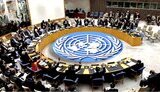 On September 22, UN Security Council will discuss Russia’s violation of Estonian airspace The UN Security Council will convene an emergency meeting on Monday, September 22, regarding Russia's violation of Estonian airspace. 853 20 Previously in trend: Russian aircraft violates Estonian airspace
Russia poses threat not only to Ukraine but also to whole of Europe and NATO: Time to respond decisively - Tsahkna Estonian Foreign Minister Margus Tsahkna commented on the intrusion of Russian drones into Polish airspace, calling for increased pressure on Russia. 915 3 Previously in trend: Shaheds flew into Poland
Tsahkna on Russia’s strike on Yarova: "Striking at civilians waiting for pensions is shocking manifestation of Putin’s inhumanity" Estonian Foreign Minister Margus Tsahkna was outraged by the Russian strike on the village of Yarova in the Donetsk region during the distribution of pensions, which led to the death of more than 20 civilians. 2 151 41 Previously in trend: Russian strike on Yarova in Donetsk region
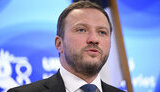 Only pressure can force Russia to agree to ceasefire - Estonian Foreign Minister Tsahkna Estonian Foreign Minister Margus Tsahkna believes that only pressure on Russia can force it to agree to a ceasefire and the beginning of a lasting peace. 525 3 Previously in trend: Ending the war Meeting of Trump and Putin
Concessions to aggressor only increase its appetite - Tsahkna Ukraine should have the freedom to choose its own path, including the possibility of joining NATO and the European Union. 714 5 Previously in trend: Meeting of Trump and Putin
Tsahkna on Kharkiv shelling: Russia continues its path of terror and destruction Estonian Foreign Minister Margus Tsahkna condemned the Russian shelling of Kharkiv, during which an infant was wounded. 894 1
Estonian Foreign Minister Tsahkna concerned about NABU and SAPO law: Fight against corruption and rule of law are foundation of democratic state Estonian Foreign Minister Margus Tsahkna expressed concern over the law passed in Ukraine that limits the independence of the National Anti-Corruption Bureau (NABU) and the Specialized Anti-Corruption Prosecutor’s Office (SAPO). 620 12 Previously in trend: Abolition of NABU and SAPO independence
Page 1 of 2
more news