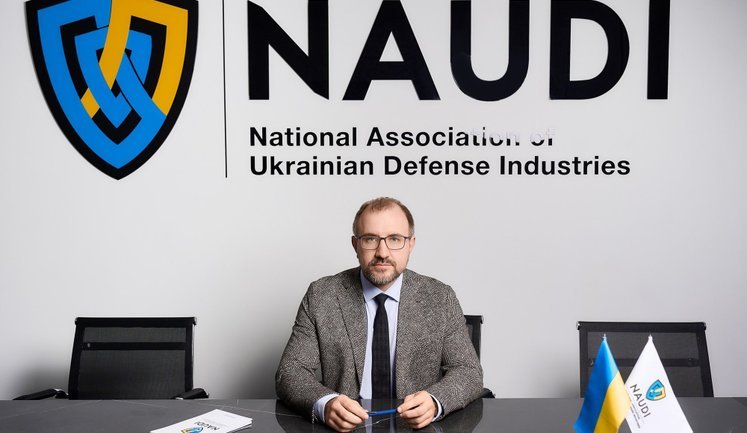
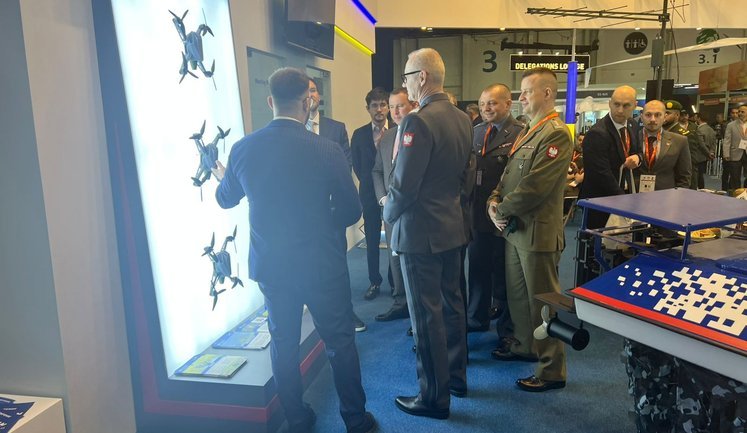
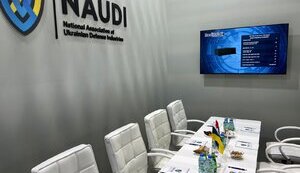
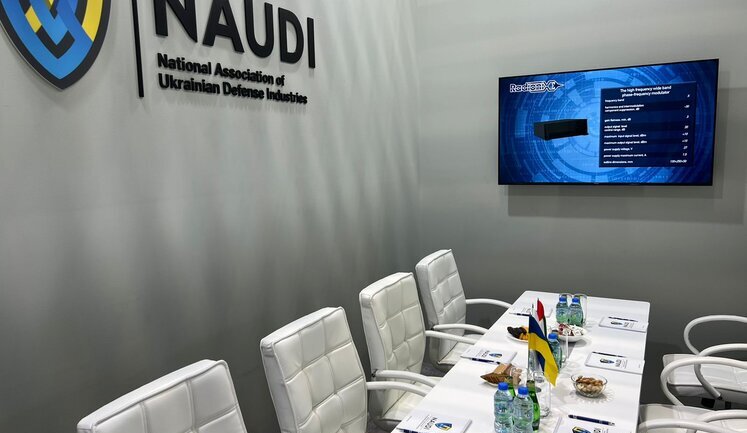
NAUDI, the National Association of the Defense Industry of Ukraine, plays a pivotal role in shaping Ukraine's arms export policies and defense industry strategies. Recently, NAUDI has emphasized the need to streamline arms export mechanisms to boost efficiency. They advocate lifting restrictions on exports with transparent procedures. Furthermore, NAUDI's efforts in enhancing international collaboration are evident through meetings with Czech and Polish defense industry counterparts. The association also highlights internal challenges, such as the impact of government mobilization exemption rules on defense enterprises. By adjusting these regulations, NAUDI aims to bolster Ukraine's defense capabilities and economic resilience.
Why is NAUDI advocating for lifting restrictions on arms exports?
NAUDI argues that lifting restrictions on controlled arms exports with transparent procedures will utilize the defense industry more effectively. This move is deemed crucial for supporting Ukraine's domestic defense capabilities and expanding its international market presence. Enhanced exports could provide essential resources to fund defense orders and bolster the economy.
What challenges does the Ukrainian defense industry face according to NAUDI?
NAUDI has identified several challenges facing the industry, including the inability of enterprises to reserve employees due to state statistical reporting issues and risks posed by new government mobilization exemption rules. These issues impede optimal operation and employee retention, crucial for sustained industry performance.
How does NAUDI contribute to international defense partnerships?
NAUDI actively fosters international partnerships by organizing bilateral meetings between Ukrainian and foreign defense manufacturers. These interactions aim to share technological advancements and explore joint ventures that can enhance Ukraine's defense industry capabilities and facilitate knowledge exchange.
What solutions does NAUDI propose for boosting the defense industry?
NAUDI proposes several solutions including the simplification of arms export regulations, advocating for equal treatment of private and state-owned defense companies, and ensuring businesses have access to sufficient capital. Such measures are intended to enhance efficiency, promote growth, and ensure the consistent fulfillment of contracts within the defense sector.
What recent actions has NAUDI taken to support the defense industry?
Recent actions by NAUDI include calling for policy reforms to facilitate better export procedures, holding strategic meetings with defense partners such as the EU and Czech companies, and addressing government regulations that impact the industry's operational capacities. These initiatives aim to strengthen Ukraine's defense infrastructure on multiple fronts.