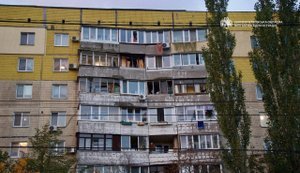
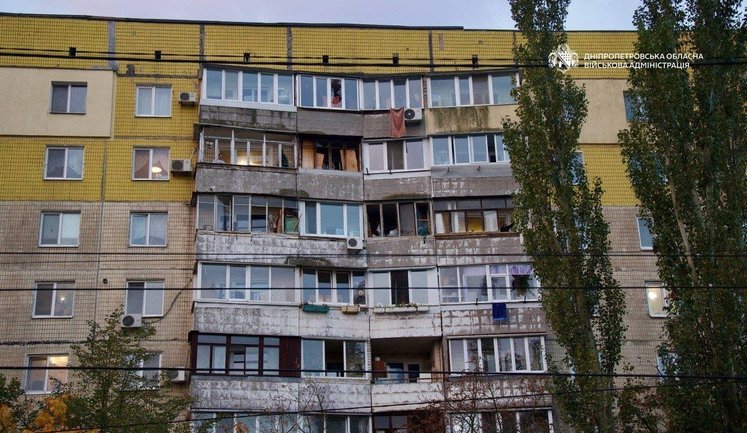
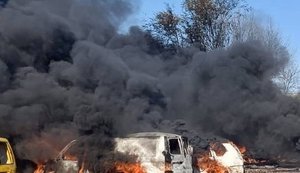
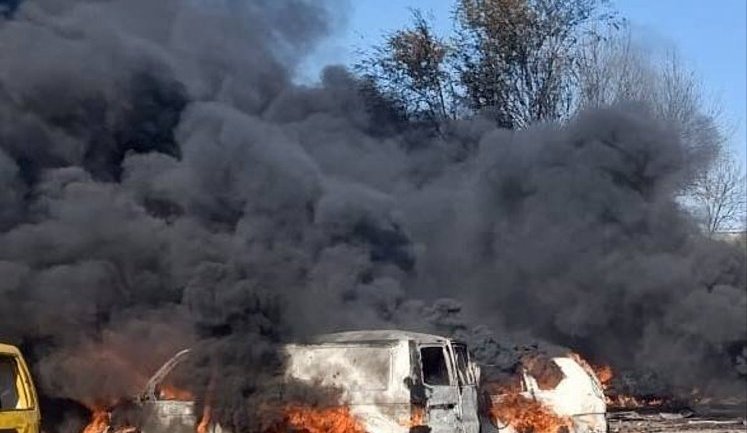
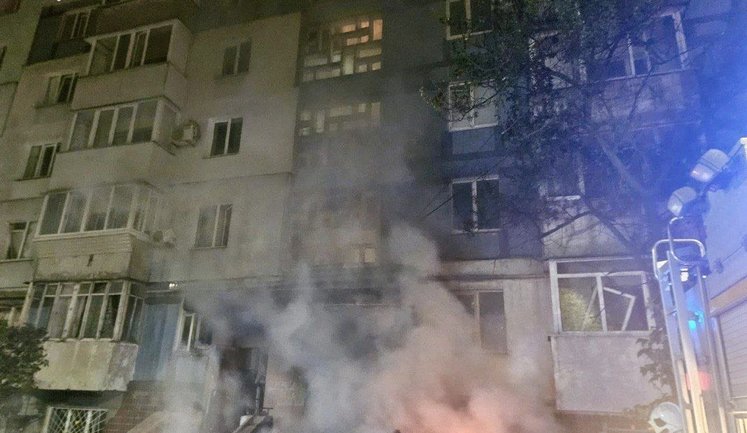
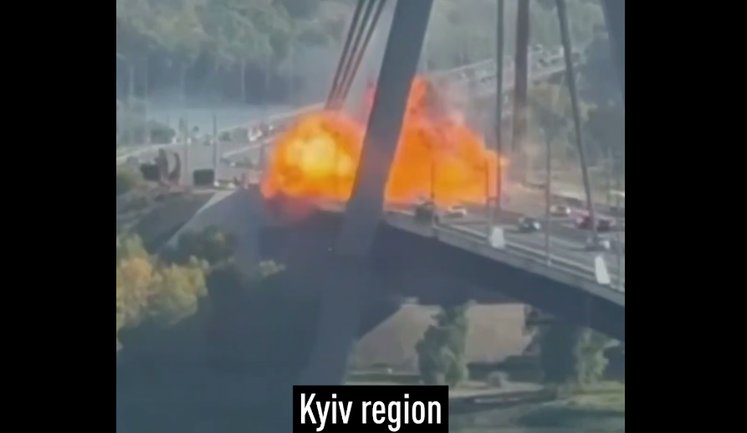
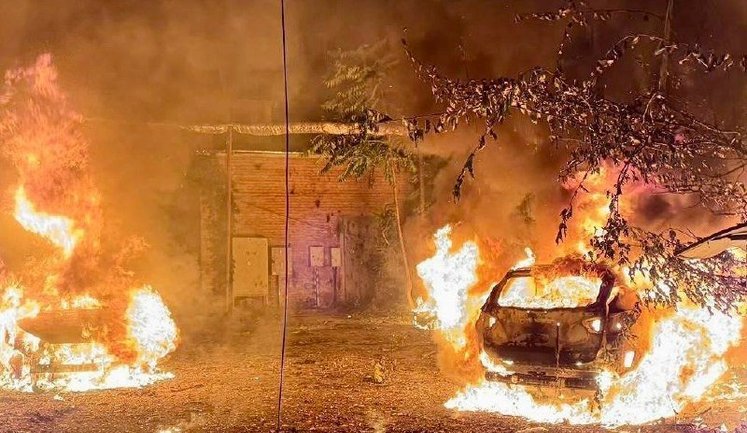
The Dnipropetrovsk region in Ukraine has become a focal point of intense Russian shelling, with over 30 attacks hitting cities such as Dnipro and Kryvyi Rih. Recent assaults have tragically killed six individuals and injured 28 others. Critical infrastructure, including energy facilities and industrial plants, has been targeted, sparking fires and causing significant damage. The attacks have ignited widespread concern about safety and operational disruptions in the region's vital sectors, including the suspension of operations at "ArcelorMittal Kryvyi Rih", one of Ukraine's largest steel plants, after multiple strikes. Rescue efforts continue as firefighters and police officers manage the aftermath.
What recent events have impacted the Dnipropetrovsk region?
The Dnipropetrovsk region has suffered from more than 30 Russian attacks in one day, leading to the deaths of six and injuries to 28 people. These attacks have severely affected infrastructure, with notable damage to energy facilities and industrial sites, including the "ArcelorMittal Kryvyi Rih" steel plant.
How have the Russian attacks affected Dnipro?
The city of Dnipro has been severely affected, facing strikes that resulted in fires and casualties. Notable incidents include an attack on the OpenDataBot office and multiple strikes that damaged critical infrastructure like factories and energy sites.
What measures are being taken in response to the attacks in Dnipropetrovsk?
Authorities in Dnipropetrovsk have mobilized rescue workers and emergency services to manage the aftermath of Russian attacks. Efforts include fire extinguishing and providing medical assistance to the injured. Evacuation plans have also been considered in severely affected areas.
How has the industrial sector in Dnipropetrovsk been impacted?
The industrial sector has been heavily impacted, with the "ArcelorMittal Kryvyi Rih" steel plant suspending operations due to repeated missile strikes. Other industrial sites have faced similar disruptions, affecting production and local employment.
What is the current situation for civilians in the Dnipropetrovsk region?
Civilians in the Dnipropetrovsk region are facing a dire situation due to continuous shelling. Many have been displaced, seeking safety from the prevalent threat of airstrikes. The local administration is actively working on humanitarian aid and support services.
What are the government’s responses to the attacks?
The Ukrainian government is actively engaged in coordinating defense and relief measures, seeking international support to counter Russian aggression. Efforts focus on enhancing air defenses and securing humanitarian aid for affected regions.