Constitutional issues remain pivotal in Ukraine's political landscape, especially amid ongoing tensions with Russia. The Ukrainian government, under President Zelenskyy, has clearly stated that no referendums will be held to recognize Russia's occupation of Ukrainian territories, reinforcing Ukraine's firm stance on sovereignty. Meanwhile, legal frameworks are under scrutiny to ensure compliance with the Constitution, as seen in MP Ihor Kopytin's remarks on mobilization laws. Furthermore, Ukraine remains committed to its strategic course toward EU and NATO membership, with the Verkhovna Rada recently affirming no changes to the Constitution concerning these goals. The Constitutional Court, however, faces challenges, highlighted by incidents such as the controversial interview with a court candidate. These ongoing dialogues reflect the dynamic legal and political environment in Ukraine, underscoring the importance of constitutional integrity and international collaboration.
Why won't Ukraine hold a referendum on Russian occupation recognition?
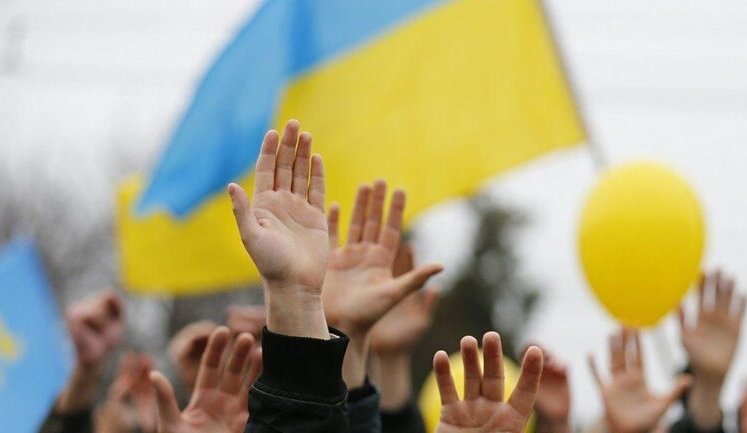
Ukraine's stance is firm against recognizing Russian occupation through a referendum. The Presidential Office has made it clear that such an action would undermine Ukraine's sovereignty. International law does not recognize the occupation, and Ukraine continues to advocate for its territorial integrity, seeking international support to address the aggression faced from Russia rather than legitimizing the occupation through constitutional changes.
What are the current constitutional priorities for Ukraine's government?
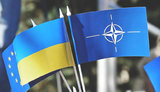
Ukraine prioritizes constitutional amendments that reinforce its strategic goals, particularly concerning EU and NATO membership. The Verkhovna Rada's recent decisions emphasize these priorities, rejecting any changes that might disrupt Ukraine's Euro-Atlantic course. This aligns with broader efforts to solidify democratic governance and uphold the rule of law within the country's constitutional framework.
How is Ukraine addressing unconstitutional laws related to mobilization?
The Ukrainian government, through its representatives like Ombudsman Lubinets, actively identifies and addresses any unconstitutional clauses within its mobilization laws. This proactive approach ensures that Ukraine's legal standards remain high and aligned with its constitutional requirements, providing a robust defense against any overreach or legal missteps that could affect national security and civic rights.
What recent changes has the Verkhovna Rada made regarding the Constitution?
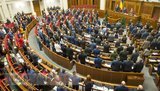
The Verkhovna Rada continues to ensure that Ukraine's Constitution supports the nation's strategic aims. Recently, it reinforced commitments to EU and NATO integration, explicitly stating that there will be no constitutional changes that compromise these objectives, such as altering the pathway to NATO accession, demonstrating a consistent policy approach amid regional challenges.
How is the Constitutional Court ensuring legal compliance in Ukraine?
The Constitutional Court of Ukraine plays a crucial role in ensuring that all legislation complies with the Constitution. This involves reviewing new laws and proposals, as highlighted by recent discussions on mobilization and other key national policies. Such vigilance helps maintain legal integrity within the parliament and government actions, fostering a stable and just governance environment.
What was Germany's position on Ukraine's governmental legitimacy?
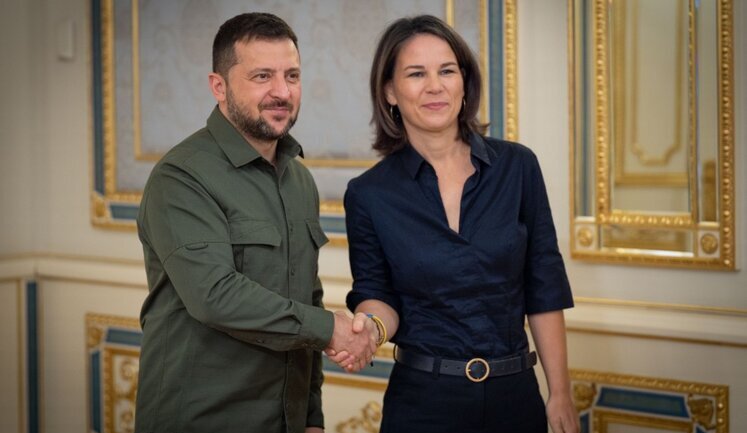
Germany, represented by Foreign Minister Annalena Baerbock, has affirmed the legitimacy of President Zelenskyy's government, indicating strong diplomatic support from the European community. This recognition highlights the international backing Ukraine receives in maintaining its sovereignty and governance amidst external pressures, particularly from ongoing Russian aggression.
What implications do constitutional debates have on Ukraine's political stability?
Constitutional debates are central to Ukraine's political stability, as they directly impact the nation's governance structure and international relations strategy. By focusing on maintaining a constitutional pathway toward EU and NATO membership, Ukraine strengthens its geopolitical stance and legal stability, vital for attracting international support and ensuring internal unity against external threats.