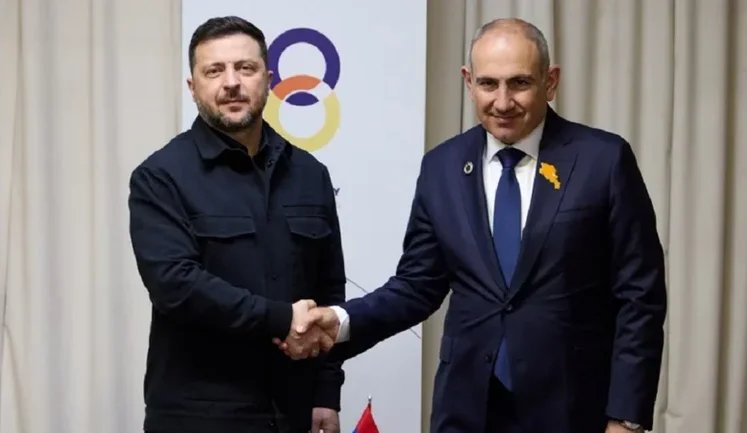
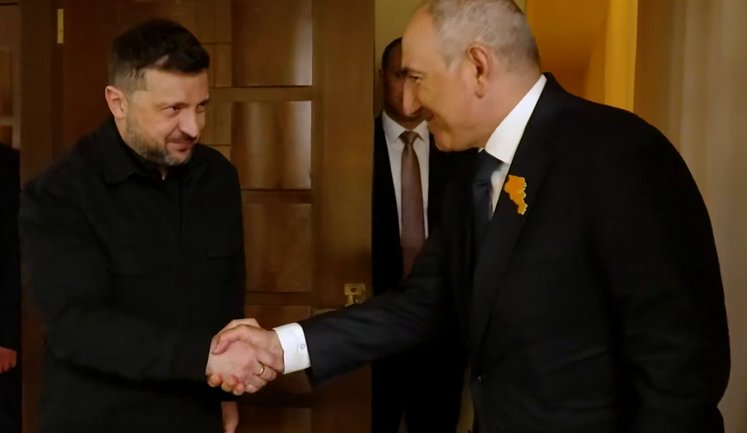
The current political landscape in Armenia is heavily influenced by developments under Prime Minister Nikol Pashinyan's leadership. With the Civic Contract party's electoral victory, Pashinyan has pledged to reinforce Armenia's cooperation with its European partners, potentially challenging Armenia's longstanding relationship with Russia. Furthermore, discussions with Ukrainian President Volodymyr Zelenskyy highlight ongoing efforts to enhance bilateral cooperation, especially in technological advancements such as drones. Meanwhile, geopolitical tensions persist as Russia leverages its influence over Armenia, presenting potential obstacles to Armenia's expressed aspirations towards European integration. This complex interplay defines Armenia's strategic position in the evolving geopolitical environment of the South Caucasus.
How have recent elections affected Armenia's political landscape?
The election results, affirming the Civic Contract party's victory under Prime Minister Nikol Pashinyan, have reinforced his mandate to continue his reformist agenda. Pashinyan's leadership focuses on steering Armenia towards closer ties with the European Union, despite historical ties with Russia. This shift could potentially lead to significant changes in Armenia's foreign policy and its geopolitical positioning in the region.
What are the implications of Armenia's rapprochement with the European Union?
The rapprochement with the EU is seen as a strategic decision by Armenia to align more closely with Western political norms and economic standards. This move has provoked response from Russia, which continues to exert influence over Armenia, signaling potential shifts in the regional power balance. Armenia must navigate this geopolitical tension carefully to ensure national security and economic stability.
In what ways is Russia influencing Armenia's internal affairs?
Russia exerts influence through economic pressures, such as threats to halt oil and gas supplies, and politically by reinforcing traditional alliances. Such actions are aimed at counteracting Armenia's EU-oriented policies. Russia's strategic positioning in Armenia is also evidenced by its increased military presence, framing it as a critical player in the South Caucasus geopolitical chessboard.
Why is drone sector cooperation significant between Ukraine and Armenia?
The drone sector cooperation represents a significant step in technological collaboration and defense capability enhancement for Armenia. It allows Armenia to leverage Ukraine's expertise in drone technology to boost its defensive and technological prowess. This partnership aligns with Armenia's broader strategy to modernize its military technology and improve its defense mechanisms in light of regional tensions.
What are Pashinyan's views on Armenia's relations with Russia?
Prime Minister Nikol Pashinyan has maintained that current relations with Russia are stable and devoid of tensions. Despite ongoing geopolitical maneuvering, Pashinyan acknowledges the historical significance of the Armenia-Russia relationship while advocating for increased European engagement, aiming to balance traditional alliances with emerging international partnerships.
Why is the European Union's support crucial for Armenia post-election?
EU support is pivotal for Armenia as it seeks to implement economic reforms and bolster democratic governance following the elections. The backing of the European Union could facilitate Armenia's economic growth, enhance its global standing, and provide a counterbalance to Russian influence, aiding Armenia's strategic pivot towards Western integration.