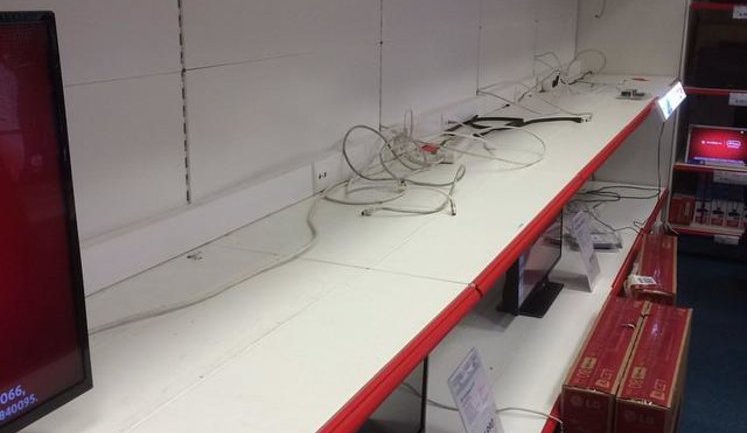
Russia's current crisis extends beyond its declining food production, marking the first drop in 15 years, into broader socio-economic challenges. The degradation in the Russian political landscape underscores escalating economic issues, with significant deterioration in domestic production, evident more starkly in the occupied territories of Ukraine, where water shortages and overall socio-economic instability persist. Compounded by political mismanagement, this crisis is affecting lives at both the national and regional levels, including ongoing debates about resolving these conflicts through international cooperation and the cessation of aggression against Ukraine. Globally, stakeholders are seeking measures to alleviate the economic slump and address these multifaceted crises effectively.
What is the current economic situation in Russia?
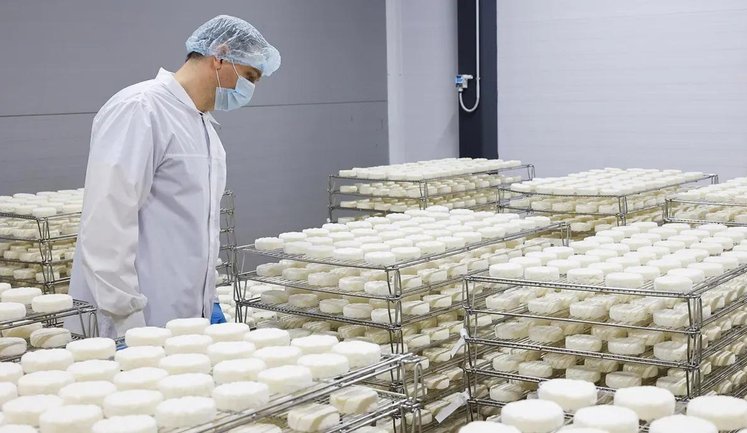
Russia is facing a difficult economic situation characterized by reduced industrial output and a drop in food production not seen in 15 years. Factors contributing to this include political mismanagement and international sanctions. The economic crisis has far-reaching effects not only domestically but also influences regional stability in areas like Ukraine's occupied territories, where essential services are severely impacted.
How is the crisis impacting Russian-occupied areas in Ukraine?
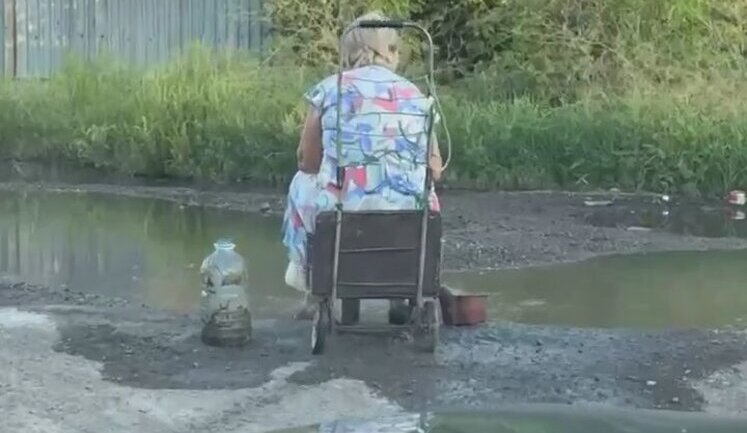
In Russian-occupied areas such as Donbas in Ukraine, the crisis has exacerbated critical living conditions. Water shortages are rampant, forcing residents to obtain water from contaminated sources like puddles. Socio-economic instability has taken a heavy toll on the local population, significantly affected by the ongoing turmoil and insufficient infrastructure investment.
What actions are global leaders suggesting to resolve the crisis?
World leaders are advocating for a cessation of hostilities and a resumption of Ukrainian exports as primary measures to tackle the crisis. Notably, Secretary General Jens Stoltenberg and other leaders have emphasized that stopping Russian aggression could significantly alleviate the emerging food crisis and restore some regional stability.
How does the crisis affect global markets?
The crisis in Russia impacts global markets by destabilizing economic expectations and causing volatility in commodities such as oil and food. The sanctions and responses to Russian political decisions have led to global market adjustments, affecting prices and availability, and highlighting the interconnected nature of global economic systems.
What historical context is relevant to the current Russian economic crisis?
The present economic conditions in Russia hark back to a history of planned economy periods and centralized management that reached critical inefficiencies during political upheavals. This background informs the current systemic weaknesses, exacerbated by present-day sanctions and international political isolation, reiterating the importance of reforms for long-term stability.
What is the role of sanctions in the current crisis?
Sanctions play a critical role in Russia's current crisis by limiting access to foreign investment and resources, thereby exacerbating existing economic weaknesses and reducing growth prospects. These sanctions are a response to Russia's international policies and have been effective in causing substantial economic contraction and policy reevaluation.
How are local populations in Russia dealing with crisis effects?
Local populations in Russia are facing harder living conditions due to rising prices, falling real wages, and a general decrease in available services and goods. This situation has led to widespread dissatisfaction and underscores the urgent need for effective governmental response and socioeconomic reforms to improve living conditions and promote stability.