Violations of borders and laws have recently surged. Incidents such as the crossing of the Estonian border by Russian guards and the illegal transport of nearly a million dollars at the Ukrainian-Romanian frontier highlight ongoing issues. The UN condemns airspace intrusions in Europe, warning these actions threaten continental security. Additional reports of airspace breaches include Russian jets over Poland's oil platform and Japanese territory. In Ukraine, illegal activities range from financial misconduct to breaches of curfews and military rights. These various infractions demonstrate widespread disregard for international regulations, threatening regional stability and sovereignty.
What were the circumstances of the Russian border guards crossing into Estonia?
Russian border guards reportedly crossed into Estonian territory without permission by crossing the Narva River. This unauthorized entry raised concerns over sovereignty violations and international law breaches, prompting diplomatic actions from Estonian authorities.
How did Ukrainian authorities intercept the illegal money transport?
The illegal transport of nearly a million US dollars was intercepted at the Ukrainian-Romanian border due to the efforts of the Chernivtsi border guard detachment. The operation was successful thanks to intelligence from the operational and search department.
Why does the UN denounce airspace violations in Europe?
The United Nations denounces airspace violations in Europe because such incidents undermine the sovereignty of nations and threaten regional security. Recent events highlight the increasing frequency of such actions, which the UN sees as unacceptable and destabilizing.
What action did Japanese fighter jets take in response to airspace violations?
In response to a Russian military aircraft violating its airspace, Japanese fighter jets responded by firing flares. This measure is a precautionary response to protect national sovereignty and ensure aerial security over Japan's territories.
What violations were detected in Georgia’s parliamentary elections?
International observers reported significant violations during Georgia's parliamentary elections, including voter intimidation and abuse of administrative resources. These infractions compromised the fairness of the electoral process, leading to concerns over democratic principles.
What was the response to the violation of Polish oil platform airspace?
Poland's border authorities reported a violation when Russian fighter jets flew over a Polish oil platform in the Baltic Sea. This incident was a breach of security protocols and raised alarms related to territorial integrity and international maritime regulations.
How are human rights being violated in Zakarpattia region’s hospital?
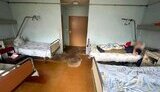
The Office of the Ukrainian Parliament Commissioner for Human Rights found violations at a hospital in the Zakarpattia region. These included inadequate medical care and neglect of the rights of both military personnel and children, prompting a call for immediate remedial actions.