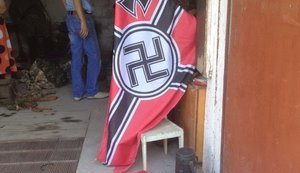
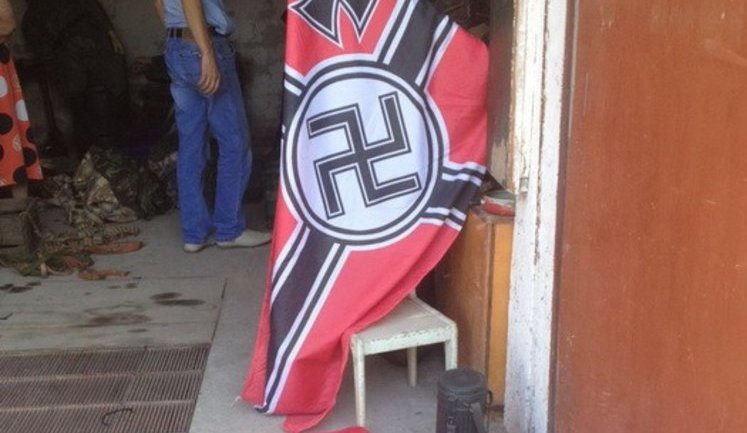
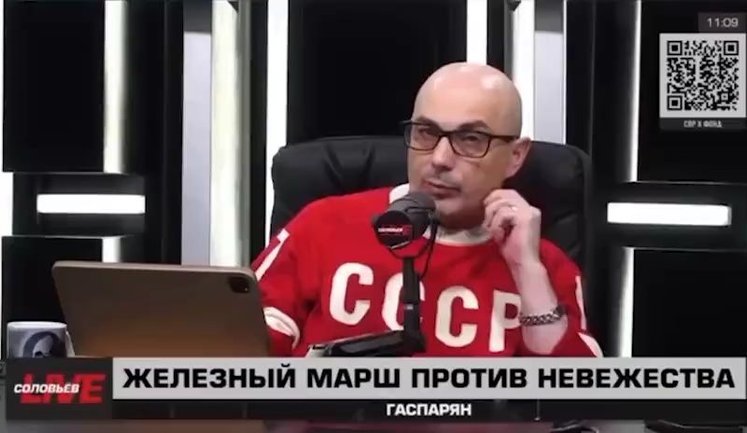
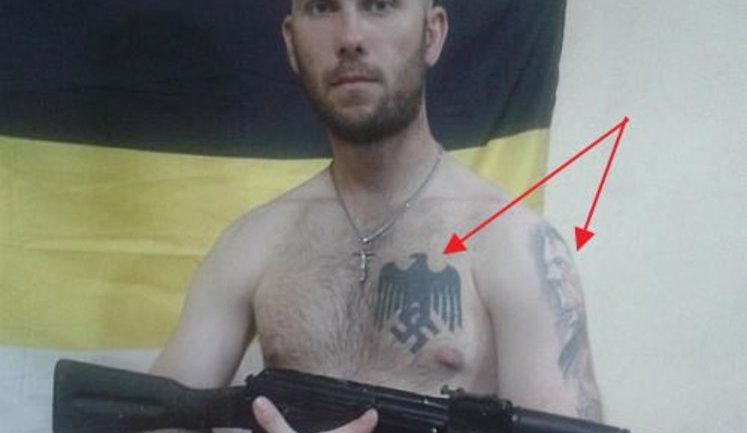
Recent reports highlight the shocking presence of Nazi symbols among Russian militants, with former DPR leader Aleksandr Borodai acknowledging their widespread use. In parallel, Russian propagandists like Armen Gasparyan have been making inflammatory statements calling for ethnic cleansing of Ukrainians. These developments underscore a troubling adoption of fascist rhetoric and symbols within Russian society, as noted by various news outlets. Furthermore, Belarusian artist Vladislav Bohan continues to push boundaries through projects testing compliance to fascist ideologies among the populace. This context brings to light the ongoing concerns about the normalization of extremism.
What is the significance of Nazi symbols in Russia?
The use of Nazi symbols in Russia is significant as it reflects an alarming trend of neo-Nazism and extremism gaining ground within certain factions of Russian society. It raises concerns about the impact of radical ideologies on politics and culture in the region.
How are Nazi symbols being used in Russian territories?
Nazi symbols are reportedly used by Russian militants and are visible among armed occupiers in Ukraine. This use suggests a troubling embrace of extremist ideologies by some members of the armed forces and civilians involved in the ongoing conflict.
What has former DPR leader Borodai said about Nazi symbolism?
Former DPR leader Aleksandr Borodai has dismissed the use of Nazi symbols among Russian militants as merely symbolic. This downplays the seriousness of the issue and highlights the normalization of extremism within elements of Russian society and military.
What actions have been taken regarding Russian propagandists' statements?
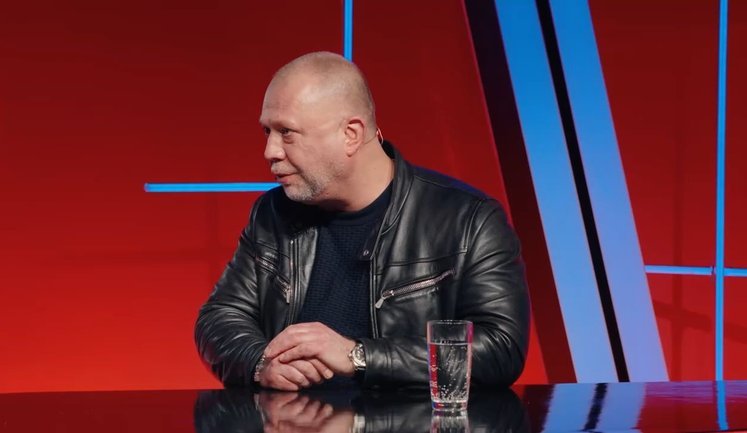
Russian propagandists like Armen Gasparyan have made inflammatory statements advocating for ethnic cleansing, raising alarms among international and domestic observers. These statements emphasize the dangerous rhetoric fueling tensions in the region.
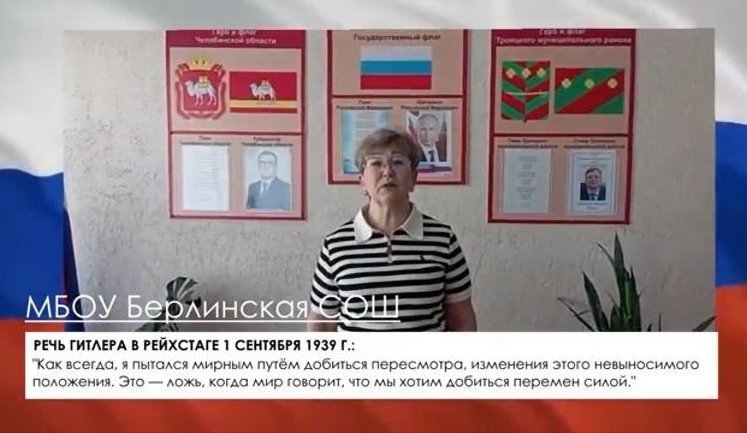
What does the project ‘The Triumph of the Moth’ explore?
‘The Triumph of the Moth’ is a research project by Belarusian artist Vladislav Bohan, exploring the extent to which Russian society is willing to follow absurd and openly fascist orders. This project highlights the compliance and normalization of extremist ideologies.