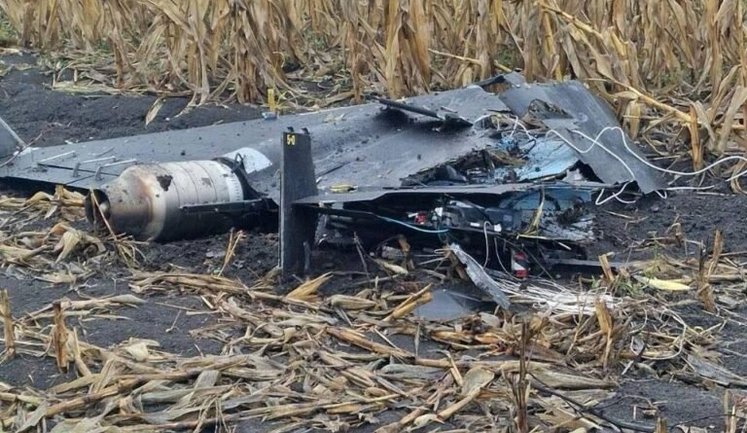
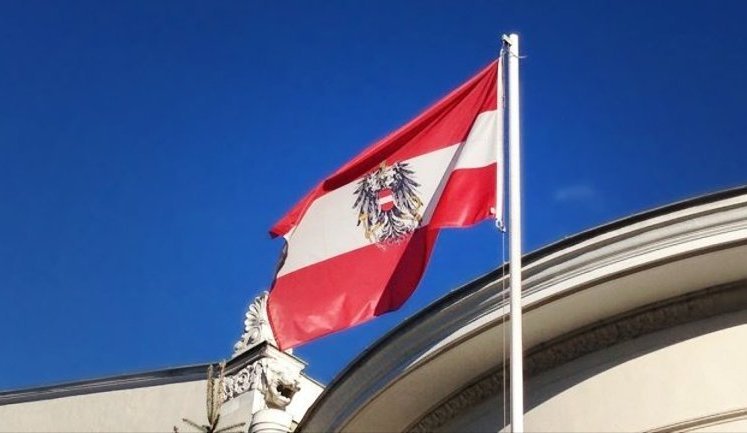
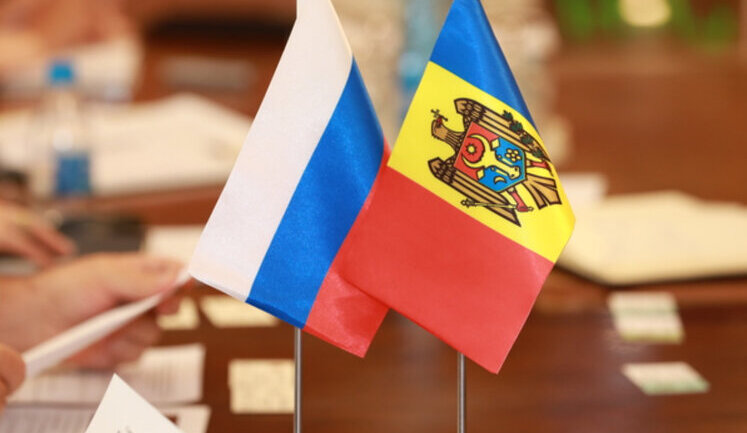
The term "persona non grata" refers to diplomatic officials whom a host country wants to expel due to actions seen as unacceptable. Recent events underscore the growing tensions involving Russian diplomats in various countries, such as Moldova and Austria. Moldova's decision to declare a Russian diplomat persona non grata follows a drone incident, while Austria cited espionage suspicions against Russian diplomats. Additionally, Israel branded UN Secretary-General António Guterres as persona non grata, reflecting geopolitical strains. These developments illustrate how nations leverage this diplomatic tool in addressing perceived threats to their sovereignty and security, emphasizing its significance in international relations.
What does the term 'persona non grata' mean in diplomacy?
In diplomacy, 'persona non grata' is a legal term referring to a foreign person whose entering or remaining in a particular country is prohibited. It often involves diplomats who are no longer welcomed due to actions perceived as hostile or unacceptable by the host nation, effectively causing their expulsion to maintain diplomatic decorum.
Why did Moldova declare a Russian diplomat persona non grata?
Moldova declared a Russian diplomat persona non grata after a Russian drone violated its airspace. This decision reflects Moldova's response to perceived threats undermining its national security and sovereignty. Such acts often lead host countries to use persona non grata declarations as a legal mechanism to address diplomatic tensions.
What were the grounds for Austria's expulsion of Russian diplomats?
Austria expelled Russian diplomats, declaring them persona non grata due to suspicions of espionage activities. Such actions are typically taken when host countries suspect diplomatic staff of engaging in activities inconsistent with their official status, threatening national security or violating diplomatic protocols.
How can persona non grata decisions impact international relations?
Decisions to declare individuals persona non grata can significantly impact international relations by escalating diplomatic tensions and altering bilateral ties. These measures serve as formal protests against foreign actions deemed unacceptable, potentially leading to reciprocal actions and influencing diplomatic negotiations and collaborations.
What are the repercussions of declaring a high-profile figure persona non grata?
Declaring a high-profile figure persona non grata, such as UN officials or senior diplomats, can lead to considerable diplomatic fallout, affecting not only bilateral relations but also regional or international engagements. It can strain alliances, spark public debates, and necessitate strategic diplomatic recalibrations among involved nations.