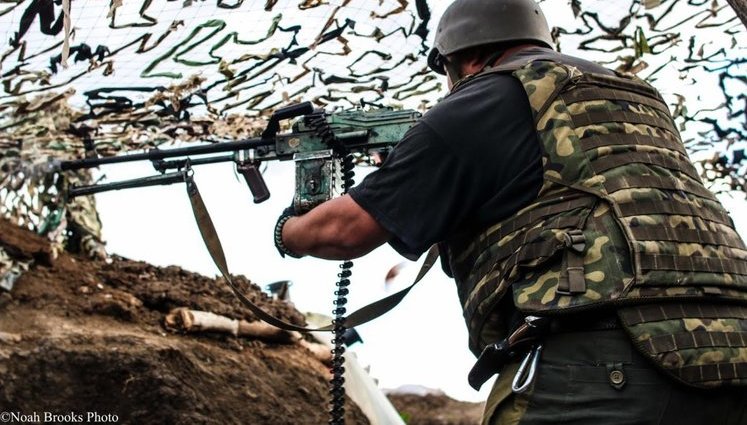
The OSCE mission plays a pivotal role in addressing the ongoing conflict in Ukraine. Its focus is to ensure Ukraine's sovereignty while advocating for peace initiatives. Recent developments include the UK's support for Ukraine's sovereign decisions at the OSCE and Finland's proposal of a partial ceasefire to facilitate peace discussions. The OSCE also faces challenges, such as the illegal detention of its staff by Russian forces, and addresses these with priority. There are demands for a halt in aggression and the protection of civilian infrastructure, which Russia has consistently targeted. The OSCE's condemnation of Russia's actions reflects its commitment to uphold international law and support Ukraine. This extends to investigating allegations of war crimes, like the torture of Ukrainian POWs. Overall, the OSCE remains a critical entity in mobilizing diplomatic efforts and coordinating international responses to ensure peace and security in Ukraine.
What are the OSCE's primary objectives in Ukraine?
The OSCE aims to support Ukraine's sovereignty, facilitate peace talks, and ensure adherence to international law. It also focuses on bringing attention to humanitarian issues, like the detention of its staff by Russian forces, and preventing aggression against civilian infrastructure. The mission plays a crucial diplomatic role in seeking peaceful resolutions and advocating for Ukraine's rights on the international stage.
How does the OSCE respond to allegations of Russian war crimes?
The OSCE works with international partners to investigate alleged war crimes, such as torture and the ill-treatment of prisoners of war. Countries within the OSCE framework initiate independent investigations, aiming to document and hold perpetrators accountable. The organization strongly condemns such violations and supports legal efforts to seek justice for victims.
What steps is the OSCE taking to facilitate peace talks between Ukraine and Russia?
The OSCE promotes diplomatic engagement by encouraging dialogue between conflicting parties. It supports initiatives like Finland's proposed ceasefire to create a conducive environment for negotiations. The organization provides a platform for peace talks and assists in coordinating international diplomacy efforts to encourage both sides to engage constructively toward a peaceful resolution.
How does the OSCE address the humanitarian impact of the conflict in Ukraine?
The OSCE actively raises and addresses humanitarian issues caused by the conflict. This includes highlighting the illegal detention of Ukrainian civilians and staff, as well as the protection of children under threat of forceful deportation. The mission works with partners to provide humanitarian aid and ensure that the global community remains aware of the ongoing humanitarian crisis in Ukraine.
What is the OSCE's stance on Russia's attacks on Ukraine's infrastructure?
The OSCE condemns Russia's systematic attacks on civilian infrastructure, which includes energy facilities that put thousands of lives at risk. The organization calls for an immediate end to such hostilities, emphasizing the importance of safeguarding civilians and advocating for protective measures to reduce further damage. These actions violate international law, and the OSCE demands accountability from Russia.
How is the OSCE involved in regional security cooperation regarding Ukraine?
The OSCE collaborates with regional partners to strengthen security measures, such as air defenses, against Russian missiles. It facilitates cooperation and intelligence sharing among neighboring countries to enhance protection against military threats. Through its forums, the OSCE promotes dialogue on security cooperation, working towards a collective effort to ensure both short-term and long-term regional stability.