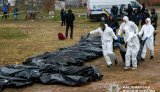
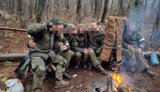
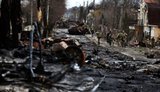
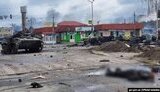
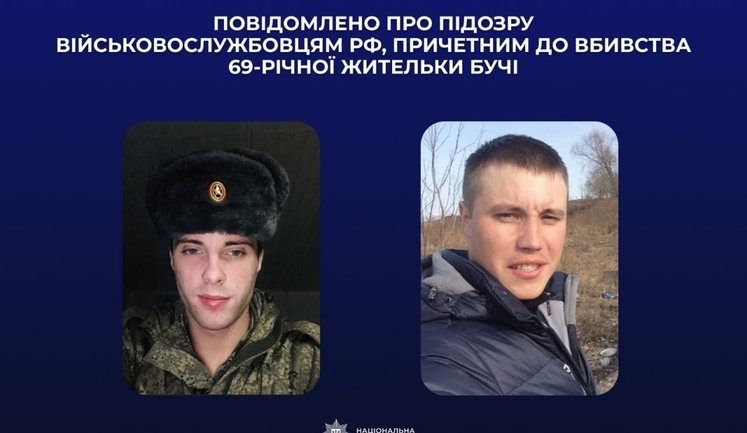
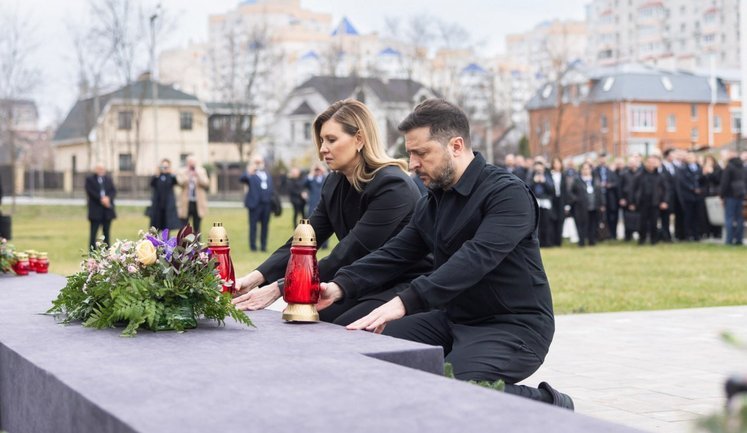
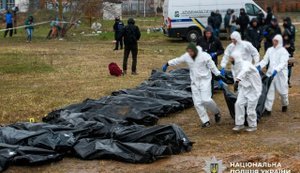
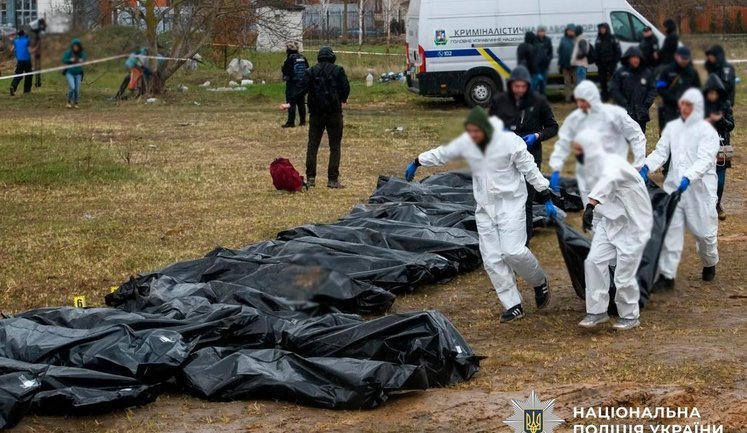
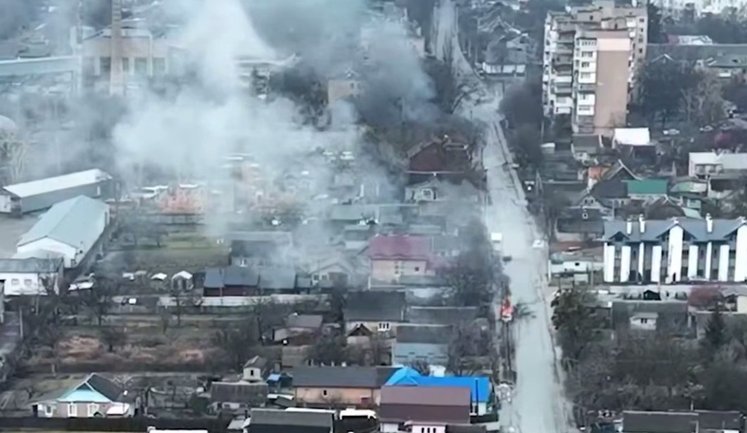
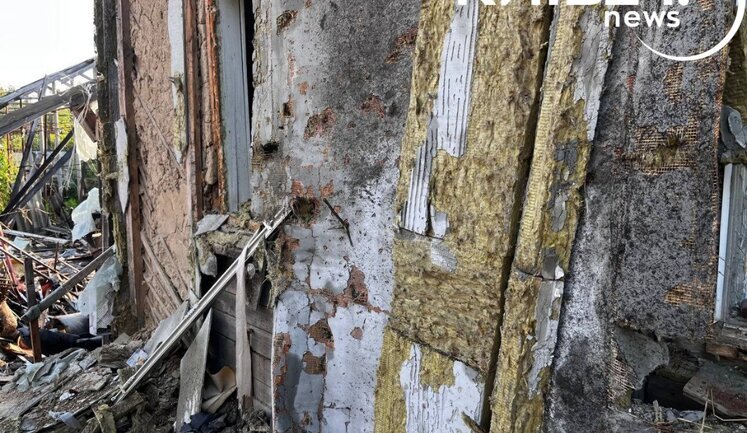
Bucha, a city in Ukraine's Kyyivska region, stands as a significant testament to the atrocities committed during the Russian occupation. Prosecutor General Ruslan Kravchenko has reported nearly 900 war crimes in Bucha and over 11,000 in the entire Buchanskyy district. The call for increased international pressure and accountability resonates with Ukrainian President Volodymyr Zelenskyy's statements urging the world not to forget these crimes. Investigations have uncovered 124 crimes committed in Bucha, with dozens of Russian military personnel identified as suspects. Sanctions have been imposed by the European Union on Russians implicated in war crimes in Bucha, as part of efforts to ensure justice and accountability for the victims.
What war crimes have been recorded in Bucha, Ukraine?
In Bucha, Ukraine, nearly 900 war crimes were recorded during the Russian occupation. These crimes include murder, torture, and various forms of inhumane treatment executed against civilians. Efforts are ongoing to prosecute those responsible, highlighting the international community's call for accountability.
How is Ukraine seeking accountability for crimes in Bucha?
Ukraine seeks accountability for crimes in Bucha through international cooperation and legal proceedings. The Prosecutor General's Office is actively investigating cases, and efforts include calling for a special tribunal to address war crimes committed during the Russian occupation.
What measures has the European Union taken regarding Bucha crimes?
The European Union has imposed sanctions on nine Russian individuals implicated in war crimes in Bucha. These measures are part of broader international efforts to penalize those responsible and prevent future atrocities by applying diplomatic and economic pressure.
How has President Zelenskyy responded to the Bucha atrocities?
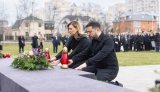
President Volodymyr Zelenskyy has strongly condemned the atrocities in Bucha, emphasizing the need for global recognition and remembrance of these crimes. He advocates for international pressure against Russia and supports legal actions to hold perpetrators accountable.
How many suspects have been identified for crimes in Bucha region?
In the Bucha region, 97 suspects have been identified in connection with the crimes during the Russian occupation. The investigations continue to ascertain the extent of involvement and to bring justice to the victims and their families.
Why is Bucha significant in the context of the Ukraine conflict?
Bucha is significant due to the scale of human rights violations that occurred during its occupation by Russian forces. It symbolizes the broader struggle for justice and accountability in the Ukraine conflict, sparking international outcry and demand for rigorous investigations into war crimes.