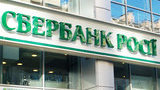
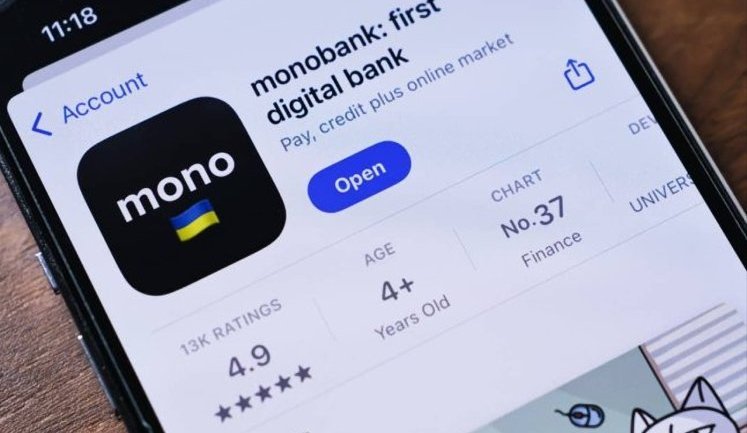
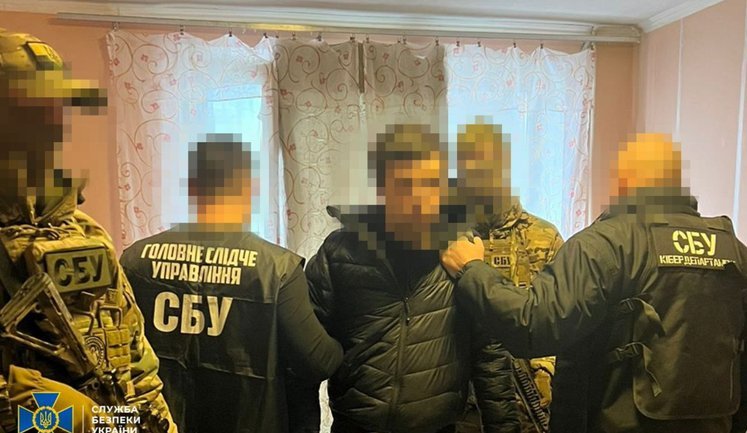
Banks in Ukraine are under increased scrutiny following a series of incidents highlighting data breaches, misconduct, and geopolitical tensions. The National Bank of Ukraine (NBU) has demanded explanations from Monobank for a controversial publication, and serious allegations against bank employees for unauthorized data sharing with Russia have surfaced. These events underscore the banking sector's vulnerability to security threats and the geopolitical challenges of navigating EU and international sanctions. Meanwhile, the NBU is encouraging banks to boost lending to the defense sector to strengthen Ukraine's economic resilience amidst ongoing conflicts.
What actions has the NBU taken against Ukrainian banks recently?
The NBU has demanded explanations from Monobank over a controversial client photo and is investigating data breaches where bank employees passed sensitive information to Russia. These actions highlight the NBU's oversight role in maintaining transparency and security in the banking sector.
How are Ukrainian banks involved in geopolitical tensions with Russia?
Ukrainian banks are implicated in geopolitical strife through allegations of data misuse by employees and international issues, such as sanctions against Russian financial institutions that pose challenges in compliance and operations.
What impact do foreign exchange restrictions have on Ukrainian banking?
The NBU's easing of foreign exchange restrictions for 'Defense City' aims to support Ukraine's defense industry, facilitating financial flexibility and economic stability amid ongoing conflicts, allowing banks to better support strategic sectors.
How are sanctions affecting Russian and foreign banks?
Sanctions are significantly impacting Russian and some foreign banks, with measures like disconnecting from SWIFT and asset freezes, prompting concerns about market operations and compliance in international trade settings.
What role do banks play in Ukraine's defense sector development?
Banks play a crucial role in Ukraine's defense sector by facilitating credit and financial services that support defense enterprises, a priority segment for economic growth and security as emphasized by the NBU's initiatives.
Are there recent incidents involving bank misconduct in Ukraine?
Yes, several incidents, such as unauthorized data sharing with Russian entities and misappropriation of funds from deceased clients by bank employees, have been reported, bringing attention to internal security and ethical governance within Ukrainian banks.
How do external geopolitical strategies influence Ukrainian banking policies?
Geopolitical strategies influence Ukrainian banking policies by necessitating regulatory measures to counter security threats and align with international sanctions, thus shaping operational and compliance priorities in the banking sector.
What measures is the European Union taking against banks aiding Russia?
The European Union proposes sanctions against banks found aiding Russia in circumventing trade restrictions, which include freezing assets and disconnecting from financial networks like SWIFT, to pressure compliance with international norms.
What are the consequences of Ukrainian bank employees leaking information to Russia?
Such actions are seen as breaches of national security protocols, resulting in investigations and potential legal actions against individuals involved, while also necessitating stricter data protection measures across the banking sector.
What influence does external pressure have on Ukrainian financial practices?
External pressure, such as sanctions and geopolitical tensions, necessitates adaptable financial practices in Ukraine to ensure compliance, enhance security, and stabilize economic operations amid global uncertainties and regional conflicts.