ENG




10488 visitors online
Banks in Ukraine are under increased scrutiny following a series of incidents highlighting data breaches, misconduct, and geopolitical tensions. The National Bank of Ukraine (NBU) has demanded explanations from Monobank for a controversial publication, and serious allegations against bank employees for unauthorized data sharing with Russia have surfaced. These events underscore the banking sector's vulnerability to security threats and the geopolitical challenges of navigating EU and international sanctions. Meanwhile, the NBU is encouraging banks to boost lending to the defense sector to strengthen Ukraine's economic resilience amidst ongoing conflicts.
What actions has the NBU taken against Ukrainian banks recently?
The NBU has demanded explanations from Monobank over a controversial client photo and is investigating data breaches where bank employees passed sensitive information to Russia. These actions highlight the NBU's oversight role in maintaining transparency and security in the banking sector.
How are Ukrainian banks involved in geopolitical tensions with Russia?
Ukrainian banks are implicated in geopolitical strife through allegations of data misuse by employees and international issues, such as sanctions against Russian financial institutions that pose challenges in compliance and operations.
What impact do foreign exchange restrictions have on Ukrainian banking?
The NBU's easing of foreign exchange restrictions for 'Defense City' aims to support Ukraine's defense industry, facilitating financial flexibility and economic stability amid ongoing conflicts, allowing banks to better support strategic sectors.
How are sanctions affecting Russian and foreign banks?
Sanctions are significantly impacting Russian and some foreign banks, with measures like disconnecting from SWIFT and asset freezes, prompting concerns about market operations and compliance in international trade settings.
What role do banks play in Ukraine's defense sector development?
Banks play a crucial role in Ukraine's defense sector by facilitating credit and financial services that support defense enterprises, a priority segment for economic growth and security as emphasized by the NBU's initiatives.
Are there recent incidents involving bank misconduct in Ukraine?
Yes, several incidents, such as unauthorized data sharing with Russian entities and misappropriation of funds from deceased clients by bank employees, have been reported, bringing attention to internal security and ethical governance within Ukrainian banks.
How do external geopolitical strategies influence Ukrainian banking policies?
Geopolitical strategies influence Ukrainian banking policies by necessitating regulatory measures to counter security threats and align with international sanctions, thus shaping operational and compliance priorities in the banking sector.
What measures is the European Union taking against banks aiding Russia?
The European Union proposes sanctions against banks found aiding Russia in circumventing trade restrictions, which include freezing assets and disconnecting from financial networks like SWIFT, to pressure compliance with international norms.
What are the consequences of Ukrainian bank employees leaking information to Russia?
Such actions are seen as breaches of national security protocols, resulting in investigations and potential legal actions against individuals involved, while also necessitating stricter data protection measures across the banking sector.
What influence does external pressure have on Ukrainian financial practices?
External pressure, such as sanctions and geopolitical tensions, necessitates adaptable financial practices in Ukraine to ensure compliance, enhance security, and stabilize economic operations amid global uncertainties and regional conflicts.
News banks
 Rodovid Bank’s Former CEO Yehorenko Escaped Punishment Due to Legal and Procedural Flaws — Expert Dmytro Yehorenko, the former head of Rodovid Bank who was found guilty of helping embezzle millions of hryvnias from the bank, escaped punishment because of procedural flaws and years of delays in the criminal proceedings. 57 0
 NBU begins inspections of banks due to bail for Halushchenko The National Bank has launched unscheduled inspections of banks that provided services to clients involved in posting bail for former Energy and Justice Minister Herman Halushchenko. 3 485 12 Previously in trend: Forrest Gump operation
 Government orders sale of Sense Bank: proceeds to go to Armed Forces of Ukraine The government instructed Ukraine’s Ministry of Finance to accelerate the sale of state-owned Sense Bank amid NABU’s Forrest Gump operation. 6 671 43 Previously in trend: Forrest Gump operation
 Russians withdraw billions from banks amid Ukraine strikes and fears Kremlin could seize savings - Telegraph The consequences of the war are increasingly altering the financial behavior of Russians themselves. Against the backdrop of Ukrainian strikes deep into Russian territory, economic problems, and fears about the safety of their bank deposits, Russians have been withdrawing money from banks for... 2 327 18 Previously in trend: State of Russian economy
 PrivatBank simplifies access to services for military personnel, veterans and people with disabilities PrivatBank has changed its approaches to verification to make them more accessible for people with disabilities, including male and female veterans. 2 225 0 Previously in trend: PrivatBank aid to veterans Assistance for people with disabilities
 NBU demands explanations from Monobank over Horokhovskyi’s publication of client’s photo with "Russian flag" The National Bank of Ukraine is demanding explanations regarding a post by Monobank co-founder Oleh Horokhovskyi, in which he shared a photo of a bank client. The issue stems from a likely Russian flag in the background and accusations of pro-Russian views. 8 132 79 Previously in trend: Monobank scandal
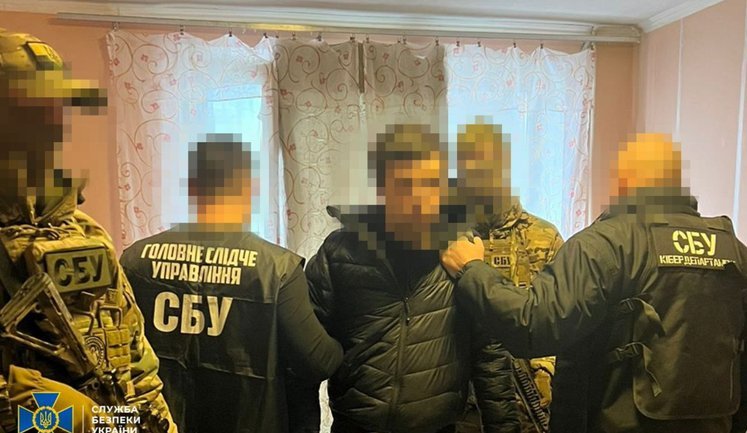
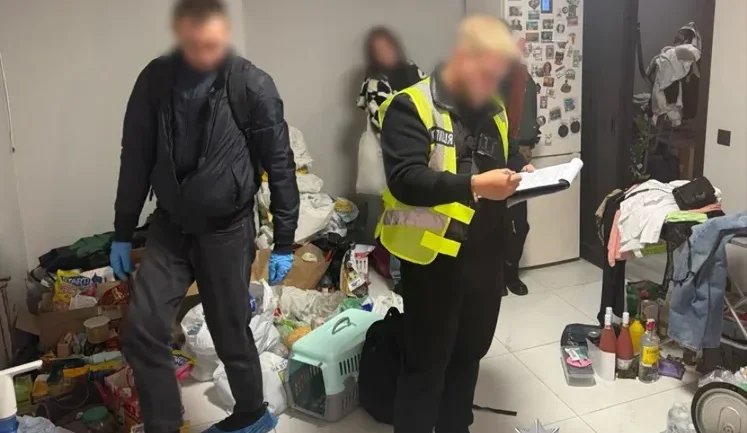
 Employee of Kyiv bank passed on personal data of Defence Forces soldiers to Russia, - SSU. PHOTOS In Kyiv, an employee of the information security department of a commercial bank was exposed for passing on the personal data of Defence Forces soldiers to the Russians. 5 690 33 Previously in trend: High treason Detention of adjusters
 NBU eases foreign exchange restrictions for Defense City residents From December 31, 2025, the National Bank of Ukraine (NBU) is easing a number of foreign exchange restrictions as part of implementing the legislation on the "Defense City" legal regime, aimed at supporting the defense-industrial complex (DIC). 54 0 Previously in trend: Ukrainian defense industry Drone industry
 "Priority sector for country": NBU governor urges banks to step up lending to Ukrainian arms manufacturers The National Bank of Ukraine (NBU) has called on commercial banks to increase lending to defense industry enterprises. 73 0 Previously in trend: Ukrainian weapons production Drone industry
 Appropriated 500,000 hryvnias from accounts of deceased clients: bank employee exposed in Kyiv region, - National Police. PHOTOS In the Kyiv region, law enforcement officers served a notice of suspicion to a 35-year-old bank employee who had been transferring money from the accounts of deceased clients to her own for two years. 1 571 3 Previously in trend: financial fraud
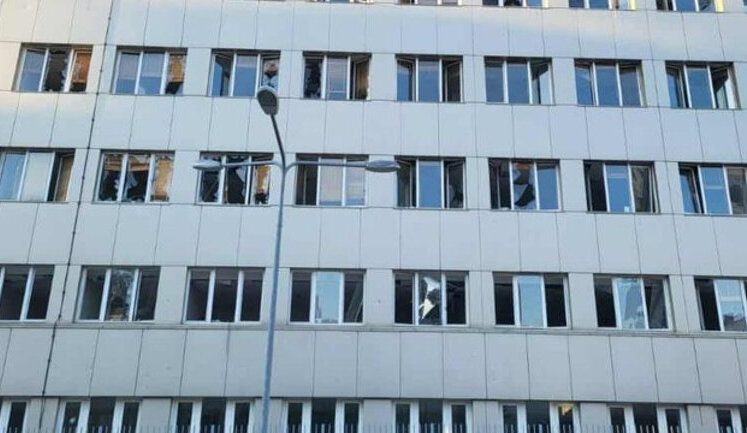
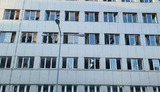 Russian shelling damaged European Investment Bank office in Kyiv. PHOTO The office of the European Investment Bank (EIB) was damaged as a result of Russia's night strike on Kyiv. 2 635 4 Previously in trend: Shelling of Kyiv
 EU plans sanctions against two Chinese banks for helping Russia, - Bloomberg The European Union has proposed to impose sanctions on two Chinese banks for helping Russia circumvent EU trade restrictions. 770 0 Previously in trend: EU sanctions
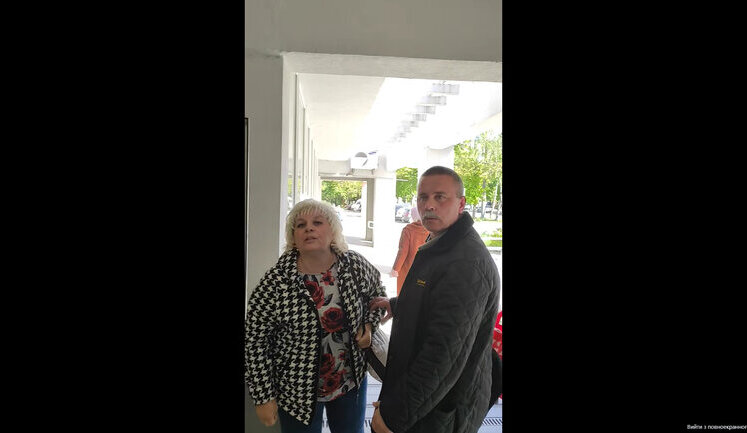
 Woman verbally attacked veteran for being served out of turn at bank in Lviv: "Muscovites didn’t beat you enough there! Your arms and legs are intact!". VIDEO In Lviv, a bank customer hurled insults at a veteran who volunteered to be served out of turn, as required by law. She was first outraged that he "has arms and legs", so he allegedly cannot call himself a veteran, and then she involved her husband in the argument. 19 346 119
 EU prepares 16th package of sanctions against Russia: disconnecting Russian banks from SWIFT and banning aluminum - Bloomberg The European Union plans to increase sanctions pressure on Russia on the eve of the third anniversary of the full-scale invasion. 3 551 21
 Losses of more than UAH 5 million: in Lviv region, bankers who stole customers’ funds by re-issuing cards are exposed - National Police. PHOTOS In Lviv region, the police and the SSU exposed an organised criminal group of employees of a bank who illegally accessed customer accounts and misappropriated their funds. 3 547 9
 "Donated" cryptocurrency for drones for Russia: Director of Department of State Bank of Ukraine detained in Kyiv. PHOTOS The Security Service detained a high-ranking official involved in financing Russia's war against Ukraine in Kyiv. He was the director of the Information Systems Support Department of one of Ukraine's largest banks. 11 883 55
 UK’s largest bank stops processing personal payments from Russia and Belarus One of Britain's largest banks, HSBC, has stopped processing all payments from Russia and Belarus for its personal banking clients. 4 653 8 Previously in trend: Russia imposes sanctions on Ukraine
 Indian banks refuse to service trade with Russia, following banks from Turkey and China Indian banks are afraid to service settlements with Russian companies due to the threat of secondary US sanctions. 106 0
 Starting September 2, banks will not work in Pokrovsk, only ATMs - RMA Banking institutions will not work in Pokrovsk, Donetsk region, from Monday. 3 466 26 Previously in trend: War
 US intends to strengthen sanctions against European banks that still operate in Russian Federation US Treasury Secretary Janet Yellen said the United States is considering strengthening secondary sanctions against European banks that continue to operate in Russia. 2 083 12
 U.S. Treasury temporarily extends transactions authorisation with some Russian banks The U.S. Treasury Department has extended its authorization to conduct transactions with a number of Russian banks for energy settlements until November 1, 2024. The list includes in particular VTB, Central Bank, Sberbank and Alfa-Bank. 5 269 61
 Failure occurs in Monobank, users complain about problems with application On Friday, March 15, the Monobank system was down. Problems with the application have been reported, in particular, an error occurs when logging in. 971 4
 Reports that Ukrainians are withdrawing money from their accounts due to draft law on mobilisation are not true - head of NBU Pyshnyi The head of the National Bank, Andrii Pyshnyi, denied reports by Russian propagandists that Ukrainians allegedly withdraw funds from bank accounts, fearing possible restrictions for evaders in the new mobilization bill. 4 353 54
 Ukrinkom’s Supervisory Board claims information attack on itself Ukrinkom’s Supervisory Board releases a statement on the information attack on the company. 2 083 3
 Biden approves sanctions against foreign banks that help Russia buy military goods or technology US President Joe Biden signs a decree on economic measures against foreign financial institutions found to be involved in the supply of sanctioned military goods to Russia. 2 619 9 Previously in trend: Sanctions against Russia
 One of Switzerland’s largest banks freezes investment accounts of Russians and Belarusians, - Forbes The Swiss bank Julius Baer informed its clients from Russia and Belarus that their investment accounts were frozen due to the requirements of the European depository Euroclear. 2 820 2 Previously in trend: Sanctions against Russia
 NBU warned Raiffeisen against exchanging assets with Sberbank of Russian Federation: This is unacceptable The National Bank of Ukraine urged the Austrian banking group Raiffeisen Bank International not to delay exiting the Russian market. He warned her against exchanging assets with Sberbank in Austria. 3 260 5 Previously in trend: Sanctions against Russia
 Zelensky imposed sanctions on Moscow Stock Exchange and 333 Russian officials and bankers By his decree, President of Ukraine Volodymyr Zelensky put into effect the decision of the National Security and Defense Council of Ukraine of February 19, 2023 "On the Application and Amendments to Personal Special Economic and Other Restrictive Measures (Sanctions)". 2 327 23 Previously in trend: Sanctions against Russia
 Iran and Russia have linked banking systems in attempt to replace SWIFT, - Reuters Iran and Russia connected their banking systems amid the SWIFT shutdown. Now they use their own system to transmit interbank messages. 11 471 36
 Russia is seeking lifting of sanctions on state bank to continue "grain agreement", - Reuters Russia is demanding the easing of sanctions against one of its banks in order to continue the "grain deal". 3 164 10 Previously in trend: Sanctions against Russia
 Turkey has made it more difficult for Russians to issue bank cards Banks in Turkey began to impose additional requirements on Russians when issuing cards. 2 190 3
 5 Turkish banks will join Russian payment system "Myr", - Erdogan Five Turkish banks are introducing the Russian payment system "Myr", as the President of Turkey Recep Tayyip Erdogan said after returning from Sochi. 17 969 168
 Russian bank started working in occupied Melitopol: it accepts money but does not issue it A branch of a Russian bank has opened in Melitopol, which has been under Russian occupation for four months now. 5 674 21 Previously in trend: War
 Switzerland imposes sixth package of sanctions against Russia, it includes oil embargo and disconnection of 4 banks from SWIFT Following in the footsteps of the European Union, Switzerland has approved a sixth package of sanctions against Russia over its aggression against Ukraine, which includes an embargo on Russian oil. 5 050 13 Previously in trend: Sanctions against Russia War
Sixth package of EU sanctions provides for disconnection from SWIFT Sberbank, Moscow Credit Bank, Rosselkhozbank, and Belarusian Development and Reconstruction Bank Sberbank, Moscow Credit Bank, Rosselkhozbank, and Belarusian Development and Reconstruction Bank will be shut down from SWIFT as part of the sixth EU sanctions package 3 531 19 Previously in trend: Sanctions against Russia War
 Russians bypass sanctions due to Belarus: arranged "bank tourism," - Iermak Russians bypass sanctions on account of Belarus. 9 174 22 Previously in trend: Sanctions against Russia
 Sanctions against all Russian banks should be imposed now, - Lithuanian President Nauseda Large-scale sanctions against Russia, including gas and oil embargoes, as well as sanctions against all Russian banks, must be imposed immediately. 1 839 3 Previously in trend: Sanctions against Russia War
 Memorandum of Cooperation was signed between central banks of Ukraine and Poland The national banks of Ukraine and Poland signed a joint memorandum of cooperation during the war. It will facilitate the exchange of information and mutual support between the two central banks. 2 146 3 Previously in trend: War
 US imposes full blocking sanctions against Sberbank and Alfa-Bank, as well as against Putin's daughters and Lavrov's family The United States is imposing full blocking sanctions against Russia's largest bank, Sberbank, and against the country's largest private bank, Alfa-Bank. 29 221 115 Previously in trend: Sanctions against Russia
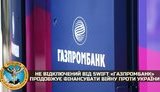 Because of not disconnected SWIFT Russian "Gazprombank" buys drones and equipment for army of Russian Federation, - Defence of Intelligence of Ministry of Defense Russian banks continue to finance Russian aggression against Ukraine. 16 871 44 Previously in trend: Sanctions against Russia War
 Russian troops robbed a bank in Kherson. ВIДЕО The Russian invaders began to rob banks in Kherson. 45 940 61 Previously in trend: War
 Parliament approves law on payment services The Verkhovna Rada of Ukraine has passed the Law "On Payment Services" at second reading. 2 641 1
 Rada adopts at final reading 'bank' bill necessary for IMF program The Verkhovna Rada adopted at the final reading "bank" bill No. 4367, the adoption of which is an important condition within the framework of the Stand-By Arrangement (SBA) of the International Monetary Fund (IMF). 1 046 13
 Ukrainian hacker steals tens of millions of U.S. dollars from foreign banks Ukraine's SBU State Security Service has detained a Ukrainian hacker who stole tens of millions of U.S. dollars from U.S. and Canadian banks, according to a statement posted on the SBU's website. 6 937 10
 NBU decides to liquidate Bank Arcada The National Bank of Ukraine (NBU) on September 24 made a decision to revoke the banking license and liquidate Bank Arcada (Kyiv), according to the regulator's website. 2 834 12
 IMF backs Ukraine's initiatives on gas and electricity tariffs – finance minister The International Monetary Fund (IMF) supports the Ukrainian government's initiatives on gas and electricity tariffs, Ukrainian Finance Minister Serhiy Marchenko has said. 1 698 33
 Zelenskyi signs banking law Ukrainian President Volodymyr Zelenskyi has signed a law introducing amendments to some legislative acts of Ukraine to improve some mechanisms for banking regulation, which will make it impossible to repeal the decision by the National Bank of Ukraine (NBU) to nationalize banks, the press service of the head of state has reported. 5 071 47
 Ukraine’s parliament finally bans return of nationalized banks to former owners The Verkhovna Rada of Ukraine adopted the bill #2571-d, which finally bans the return of nationalized banks to previous owners. 270 MPs supported the decision. 26 497 148
Page 1 of 3
more news