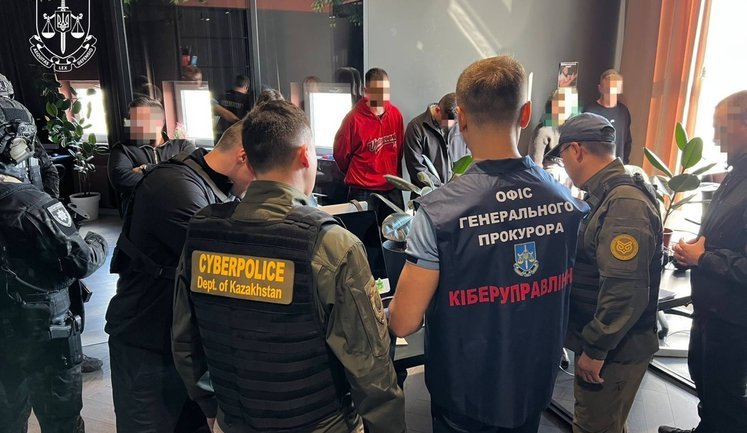
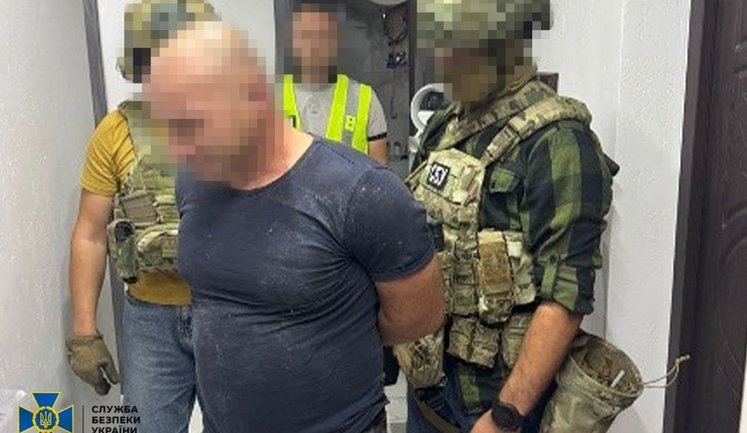
Financial fraud continues to be a prevalent issue in Ukraine, impacting various sectors and communities. Recent exposures include a former law enforcement officer and accomplice defrauding a serviceman of over UAH 600,000 using medical treatment as a guise. Cyber experts dismantled a fraudulent call center stealing from citizens with bogus crypto investments, reportedly earning $100,000 monthly. In another case, a criminal gang in the Dnipropetrovsk region embezzled funds by reissuing SIM cards. Prominent figures are not exempt; former Minister Mykola Solskyi is under suspicion for a fictitious grain sale scheme worth UAH 63 million. This string of frauds highlights the urgent need for robust legal and financial oversight to prevent further exploitation.
What are some recent financial fraud cases in Ukraine?
Recent cases include a fake treatment fraud stealing UAH 600,000, dismantled call centers involved in crypto scams targeting Ukrainians and foreigners, and high-profile grain fraud involving former government officials.
Who were the main perpetrators involved in these fraud cases?
Perpetrators range from former law enforcement officers, organized criminal gangs, to former high-ranking government officials. The involvement implies a deep structural issue in tackling financial fraud effectively.
How do fraudulent schemes impact the Ukrainian public?
Financial fraud schemes have severely impacted not only individual citizens and soldiers but also the country's financial integrity by embezzling large sums through deception, harming trust in local institutions and international perceptions.
What role do law enforcement agencies play in combating financial fraud in Ukraine?
The Security Service of Ukraine and the National Police play pivotal roles in combating fraud, often collaborating with international partners to dismantle criminal groups and arrest suspects across various fraudulent schemes targeting both locals and foreigners.
Are international bodies involved in uncovering these fraudulent activities?
Yes, international cooperation, especially with agencies from countries like Latvia and Lithuania, has been crucial in exposing and dismantling transnational fraudulent schemes, particularly those involving cryptocurrency and investments.
What preventive measures are in place to curb financial fraud in Ukraine?
Preventive measures include stricter legal regulations, enhanced oversight mechanisms, and stronger international cooperation aimed at swiftly detecting and responding to fraudulent activities, although the effectiveness of such measures is still under scrutiny.
Can you give examples of fraud involving military resources?
Examples include fraudulent schemes under the guise of supplying drones to the Armed Forces, embezzlement of funds allocated for military procurement, and scams targeting families of soldiers by extorting money in exchange for falsely promised benefits.
What impact does financial fraud have on Ukraine's economy?
Financial fraud undermines economic stability, dissuading both domestic and foreign investments due to a perceived risk, and leads to a diversion of resources that could otherwise bolster national development and defense capabilities.