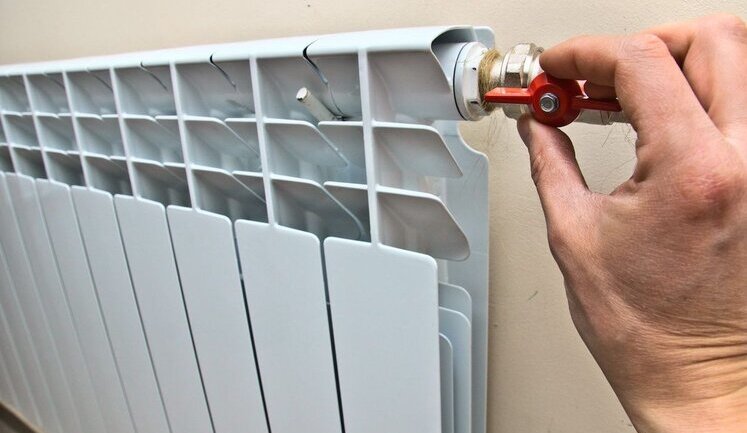
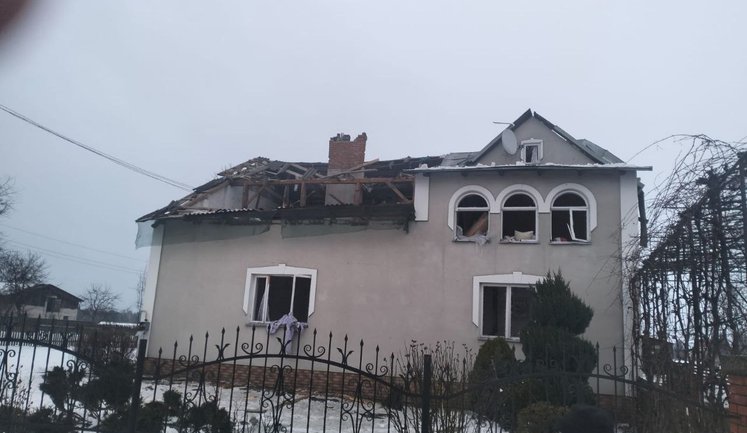
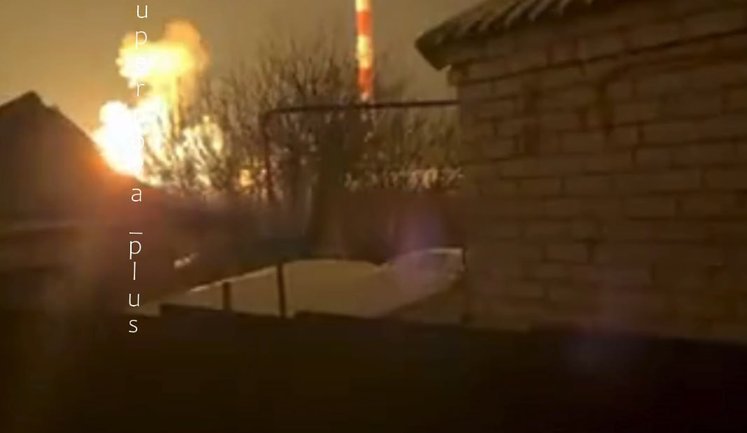
Heating systems in Ukraine are under severe strain as repeated Russian strikes disrupt services in cities like Kyiv and Kharkiv. Kyivteploenergo implements backup solutions as several districts face disrupted heating. Prime Minister Koretskyi considers waiving heating charges when services can't be swiftly restored. Beyond Kyiv, Kherson and Kramatorsk similarly grapple with threats to their heating infrastructure due to continued hostilities. Efforts continue to reconnect thousands of homes, yet resilience against these disruptions remains crucial as energy emergencies extend throughout the nation. The government and local authorities closely monitor these impacts, prioritizing citizen welfare and infrastructure resilience.
What areas in Kyiv are impacted by heating issues?
Kyiv's Darnytskyi, Obolonskyi, and Podilskyi districts are notable for heating disruptions. Previous Russian attacks severely affected heating infrastructure, leaving thousands without service. Strategic backup heat solutions are being implemented by city authorities to mitigate ongoing risks and help resume normal heating operations in these areas despite continuous threats.
What actions is the Ukrainian government taking to support citizens during the heating crisis?
The Ukrainian government is considering policies to alleviate financial burdens on citizens affected by heating disruptions. Prime Minister Koretskyi mentioned the potential suspension of heating payments when services cannot be restored promptly due to enemy strikes. This measure aims to support residents facing prolonged infrastructural challenges that disrupt essential heating services across affected regions.
How are Russian attacks affecting Ukraine's heating sector?
Russian attacks have severely impacted Ukraine’s heating sector, causing extensive infrastructure damage. Strikes on facilities in Kyiv, Kharkiv, and Kryvyi Rih have left tens of thousands without access to basic heating services. As a result, Ukraine must continually adapt and implement backup heating solutions while prioritizing repairs to ensure service restoration under adverse conditions.
What regions besides Kyiv are experiencing heating disruptions?
Aside from Kyiv, regions such as Kharkiv, Kryvyi Rih, and Kramatorsk face significant heating disruptions caused by Russian shelling. Kharkiv has witnessed substantial damage to critical facilities leaving thousands without heat, while cities like Kherson risk prolonged outages due to compromised generating equipment and ongoing attacks that impede repair efforts.
Are there any emergency measures in place for heating issues in Ukraine?
Ukraine has extended energy emergency measures to encompass heating, water, and communications networks, adapting to the ongoing challenges posed by Russian aggression. These measures aim to bolster infrastructure resilience, ensuring that essential services are prioritized and restored promptly amidst continuous threats to critical national and regional facilities.
How are local authorities managing heating outages in Kyiv?
In Kyiv, local authorities, led by Mayor Klytschko, are actively working to restore heating services in buildings affected by Russian shelling. Efforts include implementing backup heating systems, prioritizing repairs to damaged infrastructure, and temporarily restricting hot water supply to allocate necessary heat capacity. These initiatives reflect the city's commitment to addressing urgent heating needs effectively.
What impact are heating disruptions having on Ukraine's citizens?
Heating disruptions amid severe winter temperatures greatly impact Ukraine's citizens, threatening public health and safety. Prolonged outages lead to significant discomfort and highlight vulnerabilities. Emergency preparedness and strategic governmental interventions are crucial in safeguarding individuals while navigating ongoing challenges in maintaining consistent heating services.
What steps are being taken for future heating infrastructure resilience in Ukraine?
To enhance future resilience, Ukraine is looking at infrastructure upgrades, emergency preparedness plans, and strategic collaborations. The government's focus includes modernizing heating facilities, deploying alternative energy solutions, and engaging international partnerships to fortify systems against future disruptions and bolster national energy security.