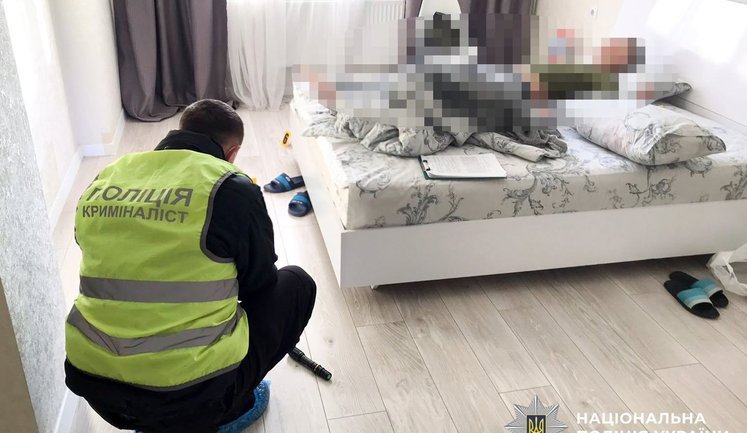
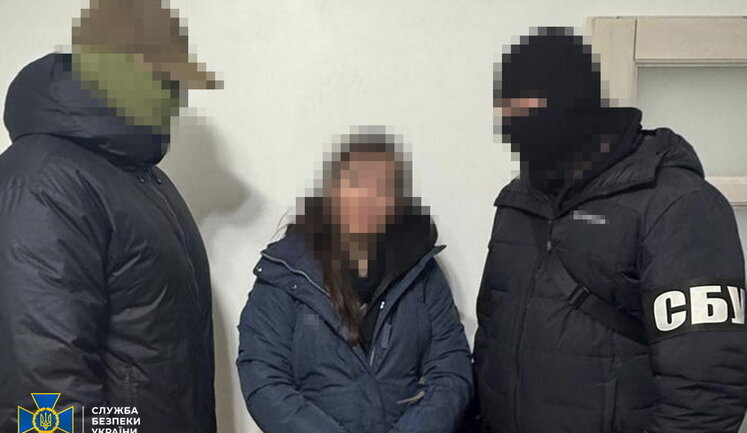
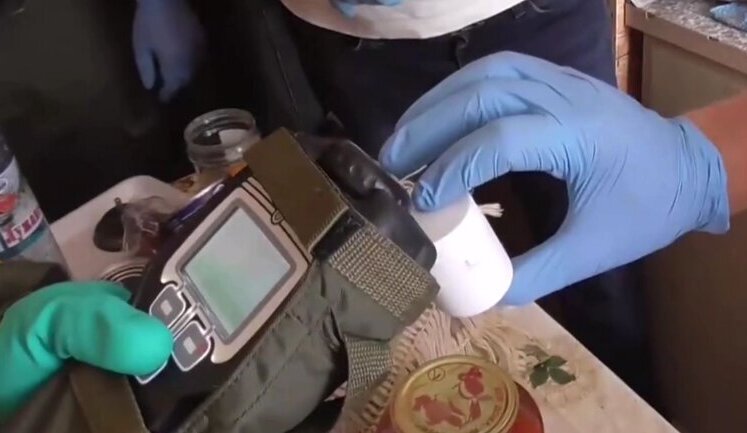
Recent news surrounding poisoning incidents in Ukraine has raised critical concerns about national security and covert operations by foreign agents. In Zhytomyr and Rivne regions, young individuals were implicated in poisoning Ukrainian soldiers, revealing a disturbing trend of manipulation by Russian intelligence services. Such cases have showcased the depth of infiltration by these agents, particularly with the interception of evidence indicating widespread alcohol poisoning among occupiers in Orikhiv. Furthermore, carbon monoxide poisoning incidents in Ukraine due to improper use of generators have highlighted domestic safety issues. The international community remains apprehensive about Russia’s consistent denial of involvement, as exemplified in their response to the Navalny case. This series of events underscores the urgent need for vigilance and enhanced security measures.
What are the reasons behind the poisoning incidents in Ukraine?
The reported poisoning incidents in Ukraine appear to reveal a pattern of operations orchestrated by Russian intelligence services. The cases involving young individuals used to target Ukrainian soldiers, as well as claims of chemical poisoning, point to deliberate attempts to destabilize the region and sow fear among military and civilian sectors. These actions suggest a larger strategy by foreign entities to exert influence and control.
How does the poisoning of soldiers impact Ukraine's security?
The poisoning of Ukrainian soldiers significantly impacts national security by compromising military personnel's safety and undermining trust within the ranks. It not only reflects the strategic penetration of foreign intelligence but also serves as a psychological tool to weaken morale and create paranoia, thereby affecting the operational effectiveness of the Armed Forces of Ukraine.
Why is the case of Alexei Navalny's poisoning significant?
The case of Alexei Navalny's poisoning is significant as it highlights the use of lethal nerve agents against political opponents and the Kremlin's determination to silence dissent. Russia's denial and dismissal of international accusations further complicate diplomatic relations and emphasize the lengths to which it may go to protect its interests, disregarding human rights and global norms.
What measures can be taken to prevent further poisoning incidents in Ukraine?
To prevent further poisoning incidents in Ukraine, increased surveillance and intelligence cooperation with global allies are essential. Strengthening domestic security measures, educating populations about safety practices, particularly in generator use, and reinforcing diplomatic efforts with neighboring countries to control the infiltration of hostile agents can also mitigate risks. Additionally, enhancing the capability and responsiveness of law enforcement agencies is vital.
How do generator-related poisonings compare to other causes of poisoning in Ukraine?
Generator-related poisonings in Ukraine primarily result from improper usage leading to carbon monoxide exposure. While serious, these incidents involve safety negligence rather than malicious intent. In contrast, other reported poisoning cases, particularly those involving military personnel, have direct political and strategic implications, often linked to intelligence manipulations and international espionage activities, indicating a more complex and insidious threat.