7952 visitors online
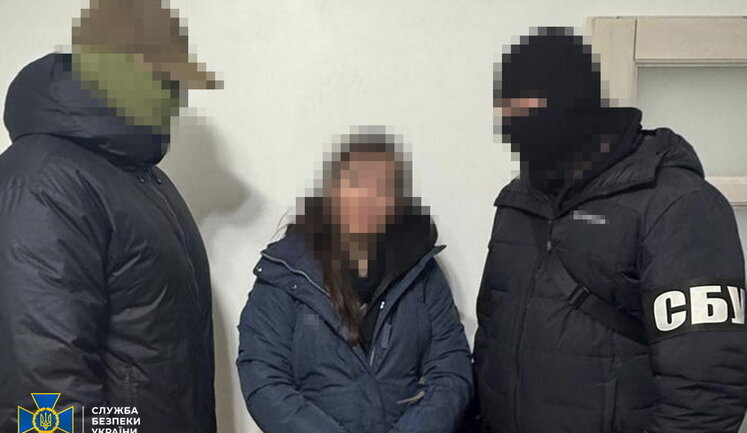
Recent news surrounding poisoning incidents in Ukraine has raised critical concerns about national security and covert operations by foreign agents. In Zhytomyr and Rivne regions, young individuals were implicated in poisoning Ukrainian soldiers, revealing a disturbing trend of manipulation by Russian intelligence services. Such cases have showcased the depth of infiltration by these agents, particularly with the interception of evidence indicating widespread alcohol poisoning among occupiers in Orikhiv. Furthermore, carbon monoxide poisoning incidents in Ukraine due to improper use of generators have highlighted domestic safety issues. The international community remains apprehensive about Russia’s consistent denial of involvement, as exemplified in their response to the Navalny case. This series of events underscores the urgent need for vigilance and enhanced security measures.

What are the reasons behind the poisoning incidents in Ukraine?

The reported poisoning incidents in Ukraine appear to reveal a pattern of operations orchestrated by Russian intelligence services. The cases involving young individuals used to target Ukrainian soldiers, as well as claims of chemical poisoning, point to deliberate attempts to destabilize the region and sow fear among military and civilian sectors. These actions suggest a larger strategy by foreign entities to exert influence and control.

How does the poisoning of soldiers impact Ukraine's security?

The poisoning of Ukrainian soldiers significantly impacts national security by compromising military personnel's safety and undermining trust within the ranks. It not only reflects the strategic penetration of foreign intelligence but also serves as a psychological tool to weaken morale and create paranoia, thereby affecting the operational effectiveness of the Armed Forces of Ukraine.

Why is the case of Alexei Navalny's poisoning significant?

The case of Alexei Navalny's poisoning is significant as it highlights the use of lethal nerve agents against political opponents and the Kremlin's determination to silence dissent. Russia's denial and dismissal of international accusations further complicate diplomatic relations and emphasize the lengths to which it may go to protect its interests, disregarding human rights and global norms.

What measures can be taken to prevent further poisoning incidents in Ukraine?

To prevent further poisoning incidents in Ukraine, increased surveillance and intelligence cooperation with global allies are essential. Strengthening domestic security measures, educating populations about safety practices, particularly in generator use, and reinforcing diplomatic efforts with neighboring countries to control the infiltration of hostile agents can also mitigate risks. Additionally, enhancing the capability and responsiveness of law enforcement agencies is vital.

How do generator-related poisonings compare to other causes of poisoning in Ukraine?

Generator-related poisonings in Ukraine primarily result from improper usage leading to carbon monoxide exposure. While serious, these incidents involve safety negligence rather than malicious intent. In contrast, other reported poisoning cases, particularly those involving military personnel, have direct political and strategic implications, often linked to intelligence manipulations and international espionage activities, indicating a more complex and insidious threat.

show details

Videos news poisoning

Occupiers suffered losses due to alcohol poisoning in Orikhiv direction, - DIU interception. AUDIO Occupiers suffered losses due to alcohol poisoning in Orikhiv direction, - DIU interception. AUDIO Ukrainian intelligence has intercepted conversations between Russian military personnel discussing casualties resulting from a mass alcohol poisoning incident in a unit of the 166th Motorized Rifle Regiment in the Orikhiv sector. According to the occupiers, they have recorded deaths at their... 5 718 12 Previously in trend: Hostilities in the Orikhiv direction

For several months, he poisoned his common-law wife for her money and car - Kyiv law enforcement detained 67-year-old man. VIDEO For several months, he poisoned his common-law wife for her money and car - Kyiv law enforcement detained 67-year-old man. VIDEO The man had been living with the woman for about 20 years, during which the last three months he had been poisoning her with chemicals by putting them in her food and drink. He was served a notice of suspicion on the premeditated murder of his common-law wife and illegal seizure of a car 10 954 27

Scotland Yard releases CCTV footage of Skripals poisoners 'Petrov' and 'Boshirov'. VIDEO Scotland Yard releases CCTV footage of Skripals poisoners 'Petrov' and 'Boshirov'. VIDEO Three new videos showing "Alexander Petrov" and "Ruslan Boshirov" allow to piece together the events of the day when Sergey and Yulia Skripals were poisoned by a military-grade nerve agent. 26 830 90 Previously in trend: Skripal’s poisoning

Residents of Russian-occupied Armiansk complain about new chemical leaks, doctors recommend leaving town. VIDEO&PHOTOS. VIDEO&PHOTOS Residents of Russian-occupied Armiansk complain about new chemical leaks, doctors recommend leaving town. VIDEO&PHOTOS. VIDEO&PHOTOS New chemical leaks have been reported by the residents of the town of Armiansk in Russian-occupied Crimea. 6 821 102 Previously in trend: Chemical disaster in Armiansk

"We are those shown to you in pictures. They are our real names," - Two Russians charged with Skripals' poisoning give interview to Kremlin-funded TV channel. VIDEO "We are those shown to you in pictures. They are our real names," - Two Russians charged with Skripals' poisoning give interview to Kremlin-funded TV channel. VIDEO Alexander Petrov and Ruslan Boshirov, the two Russians charged with perpetrating nerve agent attack in British Salisbury have claimed they were visiting the town's "famous" cathedral as tourists. 59 788 620 Previously in trend: Skripal’s poisoning

Salisbury nerve agent attack committed by Russia's military intelligence service officers, British PM says. VIDEO Salisbury nerve agent attack committed by Russia's military intelligence service officers, British PM says. VIDEO British Prime Minister Theresa May said the government had concluded, from intelligence provided by UK agencies, that the two Russian nationals named as suspects in the attempted murder of Skripals were part of the GRU intelligence service. 27 462 115 Previously in trend: Skripal’s poisoning

UK's PM says Moscow highly likely behind former Russian spy Skripal's poisoning. VIDEO UK's PM says Moscow highly likely behind former Russian spy Skripal's poisoning. VIDEO British Prime Minister Theresa May told MPs that former spy Sergei Skripal and his daughter were poisoned by a military-grade nerve agent of a type developed by Russia. 53 369 227