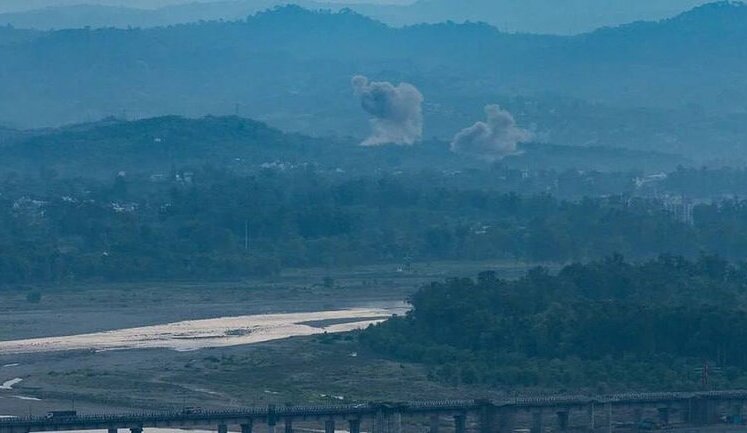
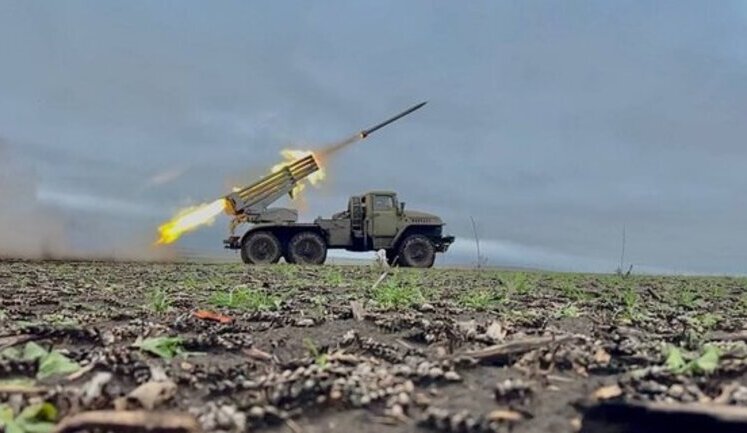
On February 27, Pakistan declared an "open war" on the Taliban-ruled government in Afghanistan, initiating significant air strikes on key military locations, including Kabul's Darul Aman. The strikes targeted various regions such as Kandahar, Paktia, and Nangarhar, escalating regional tensions. This development highlights ongoing conflicts and underscores Pakistan's strategic military decisions. Meanwhile, past events such as India's peace negotiations and troop withdrawals with Pakistan emphasize the volatile dynamics between these nations. Further actions could influence geopolitical stability in the region, highlighting the importance of diplomatic engagement and conflict de-escalation.
What prompted Pakistan's air strikes on Afghanistan?
Pakistan launched military operations in response to tensions with the Taliban-ruled Afghanistan. These strikes aimed at strategic military locations signal a declaration of open conflict against the Taliban government.
How significant are Pakistan's air strikes in Kabul?
The strikes in Kabul are notable for targeting important military areas such as Darul Aman. They exemplify the heightened conflict between Pakistan and the Taliban government, affecting regional stability.
Are there historical tensions between India and Pakistan?
Yes, India and Pakistan have a long history of military conflicts and ceasefire agreements. These tensions have led to periodic escalations and negotiations, impacting regional relations over the years.
What role has the US played in India-Pakistan relations?
The US has often acted as a mediator in India-Pakistan conflicts, promoting ceasefire agreements. However, recent events indicate a shift where these nations reached a truce without US intervention, showcasing their independent diplomatic efforts.
How do Pakistan's military actions affect its relationship with India?
Recent military operations by Pakistan against India demonstrate ongoing tensions and the potential for escalation. These actions complicate diplomatic relations and may influence further military and political interactions in the region.
What are some past collaborative efforts between India and Pakistan?
India and Pakistan have engaged in negotiations to withdraw frontline troops and establish ceasefires. Such efforts, though challenging, are key to reducing military tensions and facilitating peace in the region.
How does Pakistan's relationship with Ukraine impact regional dynamics?
Pakistan's military support for Ukraine, including arms supplies, affects its geopolitical stance. This collaboration might influence regional alliances and the balance of power, especially concerning relations with Russia.
What military technology has Pakistan supplied to Ukraine?
Pakistan has supplied significant military equipment to Ukraine, including 10,000 missiles and Anza Mark-II air defense systems. These contribute to Ukraine's defense capabilities amid regional conflicts.