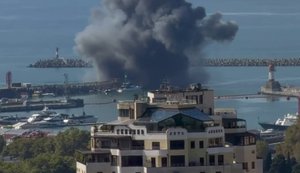
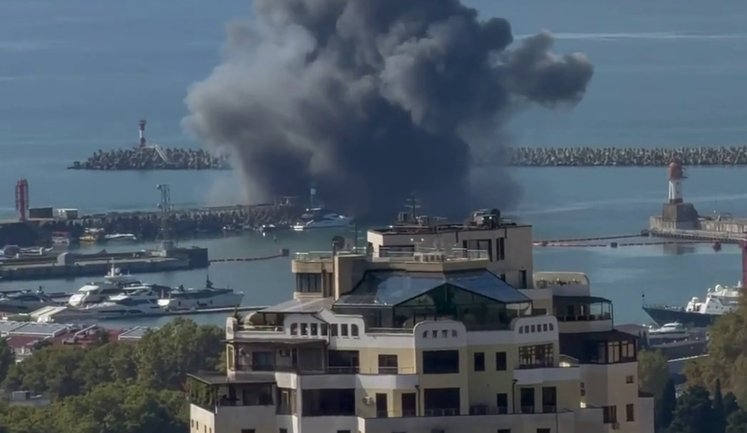
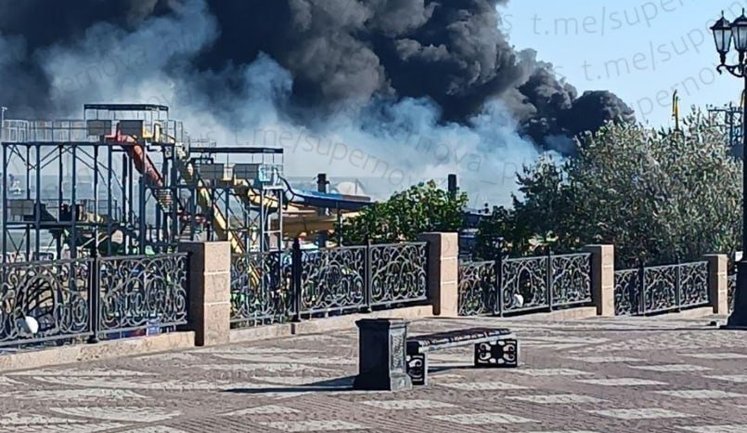
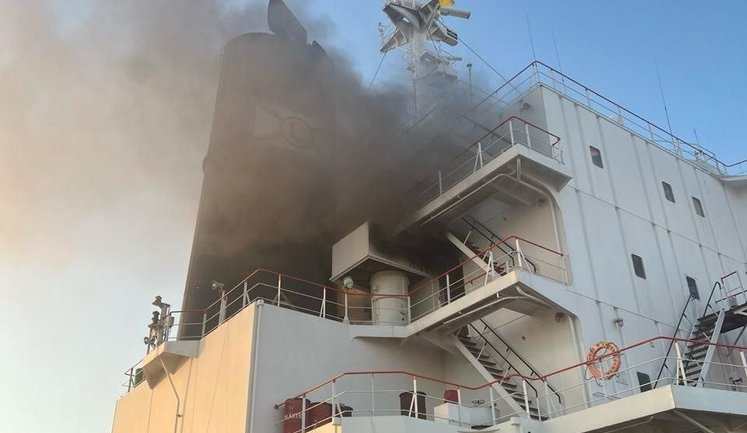
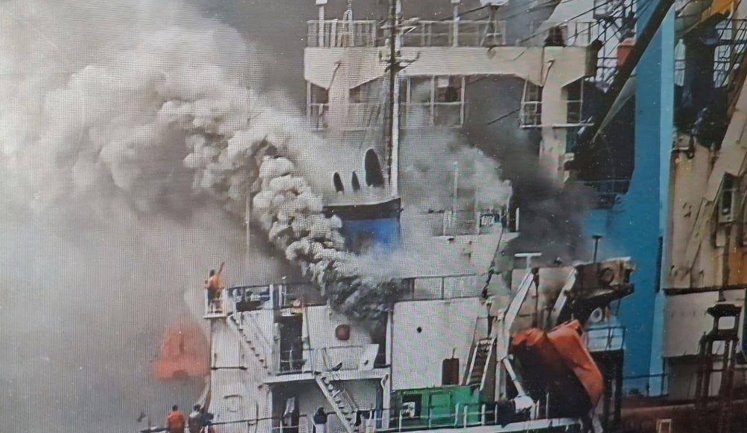
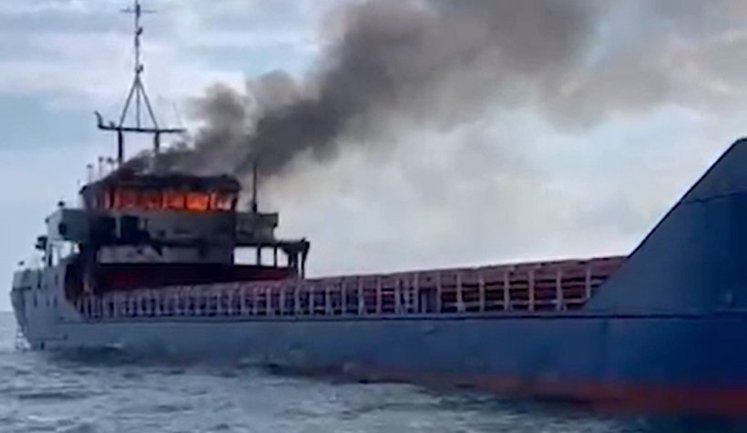
Russia's intensified attacks on Ukrainian port infrastructure continue to create significant disruptions, with up to 70 ships stranded on the Danube due to heightened military actions. The ongoing conflict has severely impacted grain export operations, with ships accumulating near Romania’s Sulina Canal. Port strikes, predominantly using Banderol missiles, have heightened risks for commercial vessels, including recent civilian casualties in regions like Odesa and Mykolaiv. These events exacerbate the existing tensions in the Black Sea region, where maritime safety and grain corridor operations remain critical amidst geopolitical instability.
How has Russia intensified its attacks on Ukrainian ports?
Russia has stepped up its military actions against Ukrainian port infrastructure, particularly using drones and Banderol missiles. This escalation has led to damaged facilities, civilian casualties, and significant disruptions in grain shipments. The attacks focus on strategic locations like the Odesa region, impeding both commercial operations and humanitarian corridors vital for global grain trade.
What impact have Russian attacks had on port activities in Ukraine?
The intensified Russian attacks have resulted in significant disruption of port activities in Ukraine, particularly in the Odesa region. These strikes have targeted port infrastructure and commercial vessels, leading to delays and increased operational costs for shipping companies, which accumulate up to $8,000 a day in waiting fees, affecting global grain distribution.
What are the implications of attacks on Ukrainian grain exports?
The attacks directly threaten the stability of global grain markets due to Ukraine's key role as a grain exporter. Shipping routes have been disrupted, causing delays and increased costs in supply chains. These issues contribute to food security concerns worldwide, with potential for price spikes and scarcity should the situation continue.
What measures are being taken to address maritime security concerns?
International and local bodies are engaging in diplomatic and strategic efforts to enhance maritime security. This includes negotiations for safe passage agreements and heightened surveillance and defense capabilities around vulnerable port areas. Ukrainian authorities are seeking to resume shipping operations by devising alternative routes and reinforcing infrastructure resilience.
Why are Ukrainian ports significant in the global market?
Ukrainian ports are crucial for the export of grains such as wheat and corn, ranking among the largest in global exports. These ports facilitate vital trade routes between Europe, the Middle East, and Asia. Disruptions here can lead to far-reaching consequences across food supply chains, affecting countries dependent on Ukrainian agricultural exports.