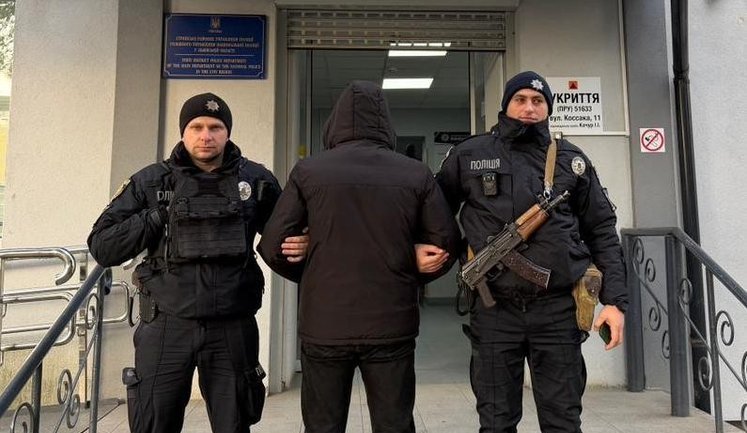
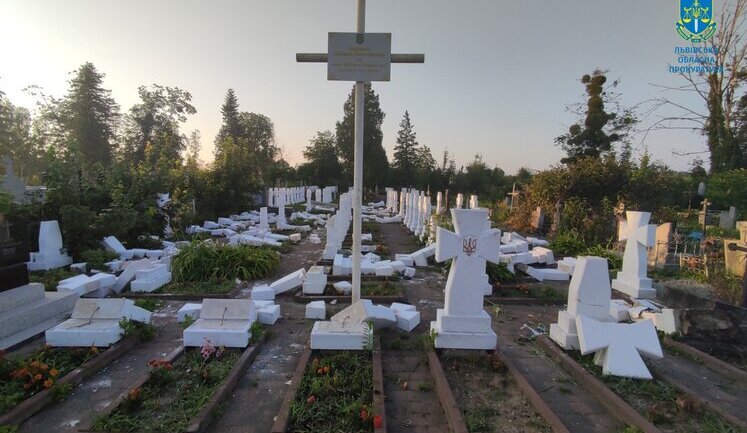
In a major security development for Stryy and the surrounding areas in the Lvivska region of Ukraine, the SSU's Counterintelligence division successfully thwarted a series of planned terrorist attacks by Russian agents. The attempted bombings were to take place near TCR locations in both Dnipro and Stryi, raising significant concern in the community. Meanwhile, in another crucial legal outcome, a resident of the Stryi district received a nine-year prison sentence for the desecration of 59 graves of Sich Riflemen and UGA soldiers dating back to 2021. This severe sentence underscores the unwavering commitment of Ukrainian authorities to uphold the dignity and respect due to those who served in the military.
What measures did the SSU take to prevent bombings in Stryy?
The SSU's Counterintelligence unit actively dismantled a network of Russian agents plotting bombings in Stryy and Dnipro. Their efforts seriously disrupted potential terrorist activities, ensuring the safety of these regions. The preemptive actions by Ukrainian security forces illustrate coordination and vigilance in protecting public safety against foreign threats.
How significant was the terrorist plot thwarted in Stryy?
The thwarted terrorist plot in Stryy was significant as it was orchestrated by Russian special services, aiming to cause chaos and fear near TCRs in both Dnipro and Stryy. The success in preventing these attacks highlights the agility and effectiveness of Ukrainian counterintelligence in addressing external threats to national security.
What was the reason behind the sentencing of a resident in Stryi district?
A resident in the Stryi district was sentenced to nine years in prison for the desecration of 59 graves of Sich Riflemen and Ukrainian Galician Army soldiers. This act of vandalism occurred in 2021, and the sentencing reflects the region’s commitment to preserving the memory and respect of those who have fought for Ukraine’s freedom and sovereignty.
How does the legal system in Ukraine handle cases of grave desecration?
The legal system in Ukraine treats grave desecration with utmost seriousness, imposing strict penalties. The recent nine-year prison sentence for a resident of Stryi district demonstrates the judiciary's firm stance in upholding respect for historical grave sites, especially those linked to national military history.
What is the historical significance of the desecrated graves in Stryi?
The desecrated graves in Stryi are of monumental historical importance as they contain the remains of Sich Riflemen and Ukrainian Galician Army soldiers who played key roles in Ukraine’s military history. Protecting these sites is vital to preserving the memory and valor of those who contributed to Ukraine's independence and military legacy.
What are the ongoing security challenges in the Lvivska region?
The Lvivska region, like other parts of Ukraine, faces security challenges primarily stemming from external threats such as espionage and terrorism attempts by neighboring Russian influences. Continuous vigilance from security forces and intelligence units is necessary to predict, prevent, and respond to potential threats effectively.