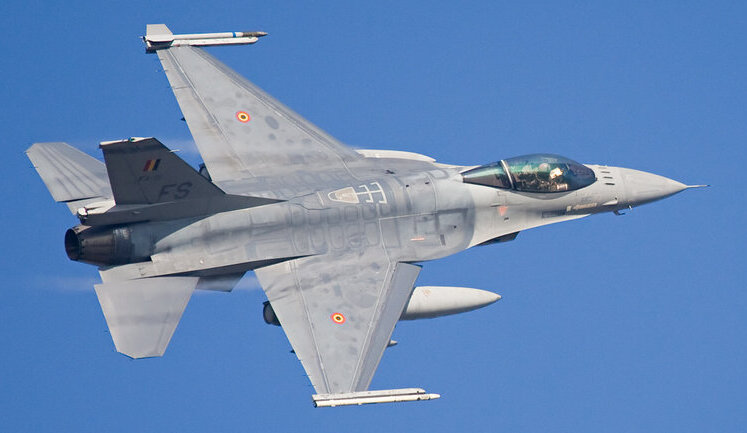
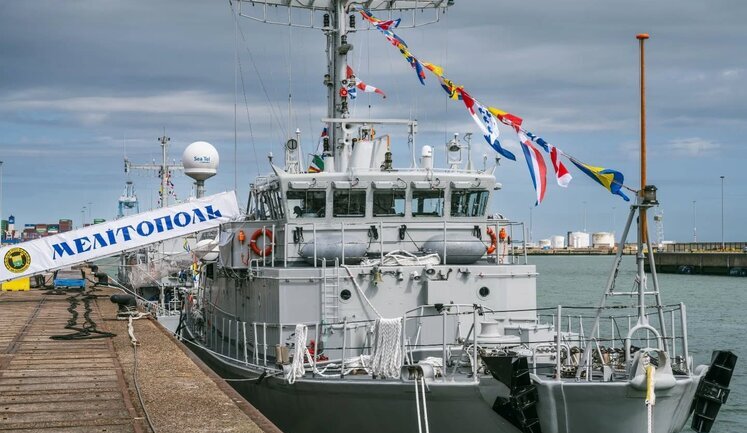
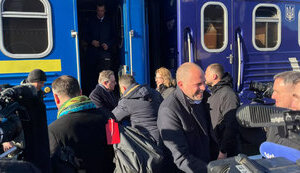
Belgium plays a pivotal role in European political dynamics, especially regarding Ukraine and its defense needs. Despite promises, Belgium has yet to deliver the F-16 jets to Ukraine, highlighting delays in military aid. Moreover, Belgium's actions against Russia's "shadow fleet" underscore its commitment to EU security. A €10 million bail is set for the detained Russian tanker, Ethera, showing serious EU measures against maritime threats. Additionally, Belgium's stance on frozen Russian assets remains firm, with Prime Minister De Wever opposing their use for Ukraine, citing legal complexities. This situation may influence EU funding decisions, impacting international relations.
What is Belgium's role in the delivery of F-16 jets to Ukraine?
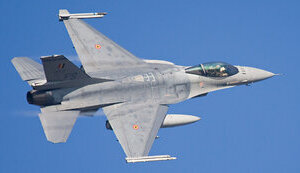
Belgium has promised to supply F-16 fighter jets to Ukraine. However, there have been significant delays in the delivery. Despite the challenges, Belgium remains committed to fulfilling its pledge, with military upgrades involving the acquisition of new F-35s facilitating future transfers.
What actions has Belgium taken against Russia's maritime operations?
Belgium has taken decisive actions against Russia's "shadow fleet" by detaining the tanker Ethera with a set bail of €10 million. This move is part of Belgium's efforts, supported by France, to counter illegal maritime operations and reinforce European Union security measures.
Why are Belgium's decisions on frozen Russian assets impactful?
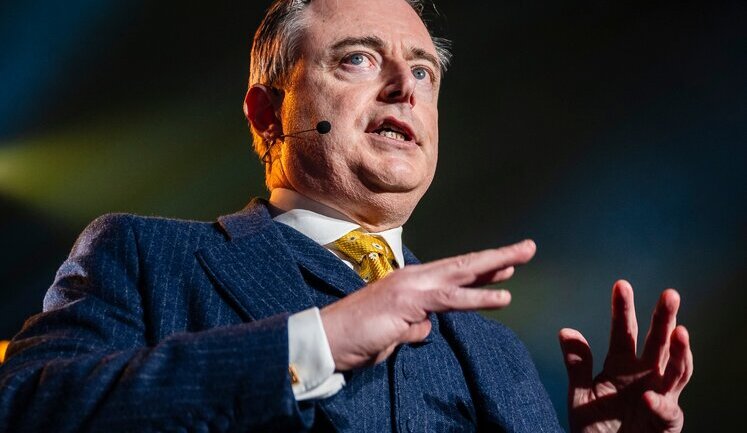
Belgium's opposition to using frozen Russian assets for Ukrainian reparations is causing tension within the EU. Prime Minister De Wever has stressed the legal issues involved, and this stance complicates EU consensus on funding Ukraine, impacting international political and economic stability.
How does Belgium's stance on frozen assets affect the EU's relationship with Ukraine?
Belgium's refusal to utilize frozen Russian assets for Ukraine affects EU-Ukraine relations by delaying financial support and reparations. This situation challenges the EU's united front, causing potential delays in multilateral aid and sparking debate over legal and financial risk distribution.
How is Belgium contributing to military operations and peacekeeping efforts in Ukraine?
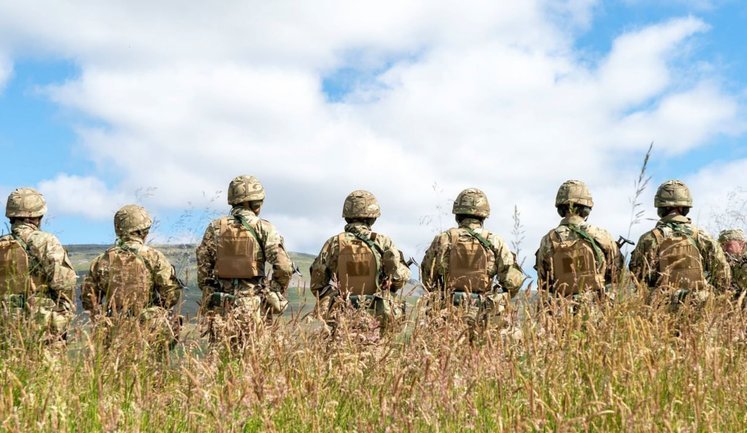
Belgium has committed to supporting Ukraine through military means, including delivering F-16s and considering a peacekeeping role post-ceasefire. They are prepared to join a coalition for stabilization under certain circumstances, demonstrating Belgium's readiness to support European security.