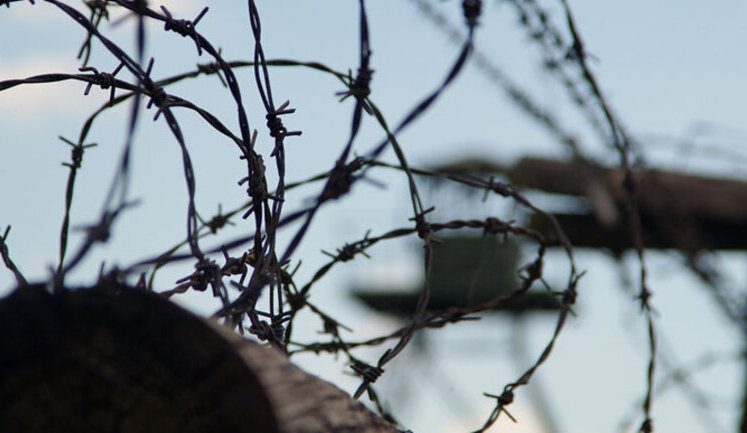
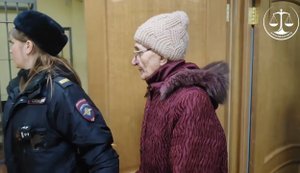
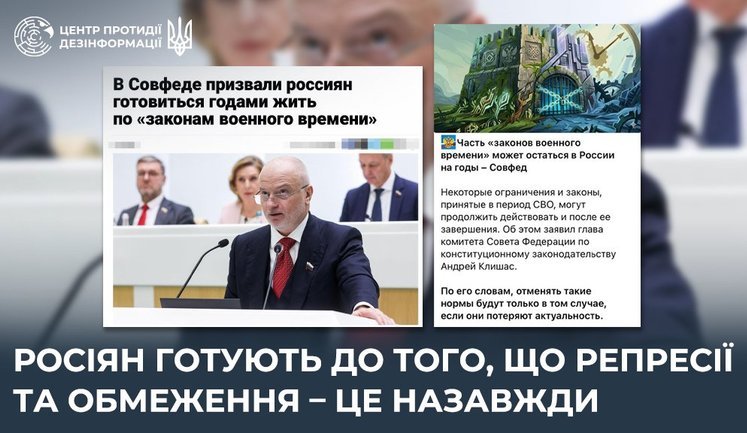
The ongoing repressions in Russia and its occupied territories continue to raise serious human rights concerns. Since the start of Russia's full-scale invasion of Ukraine, political repression has led to the deaths of at least 69 individuals, including Ukrainian POWs and Russian opposition figures. Notable cases highlight the severe penalties faced by those accused of supporting the Ukrainian Armed Forces. For example, Ukrainian resident Halyna Bekhter faces critical health deterioration in Russian custody, illustrating the grim consequences of these repressive measures. Russian authorities also impose harsh sentences on Crimeans accused of treason for offering support to Ukraine. As the Federation Council indicates, wartime laws and their accompanying restrictions may persist indefinitely, contributing to a climate of fear and mistrical mistrust in these regions. Understanding these dynamics is crucial for addressing the broader implications of such repressions on international human rights.
How many people have died due to political repression in Russia since February 2022?
Since Russia began its full-scale invasion of Ukraine, over 69 people have died due to political repression in Russia, including Ukrainian prisoners of war and individuals in occupied territories.
What are the reported health conditions of Ukrainian prisoners under Russian custody?
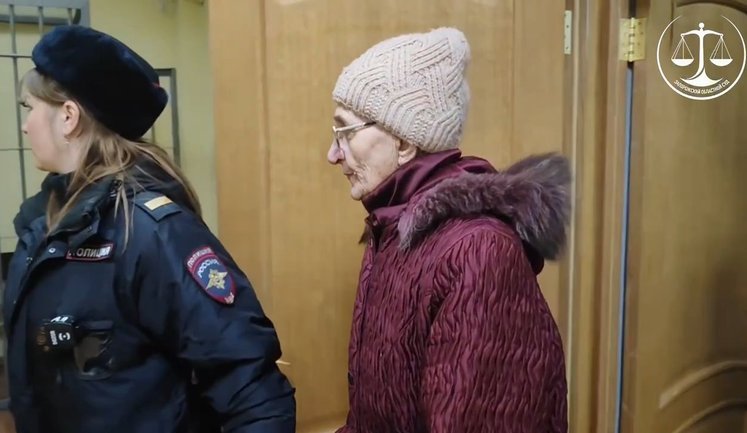
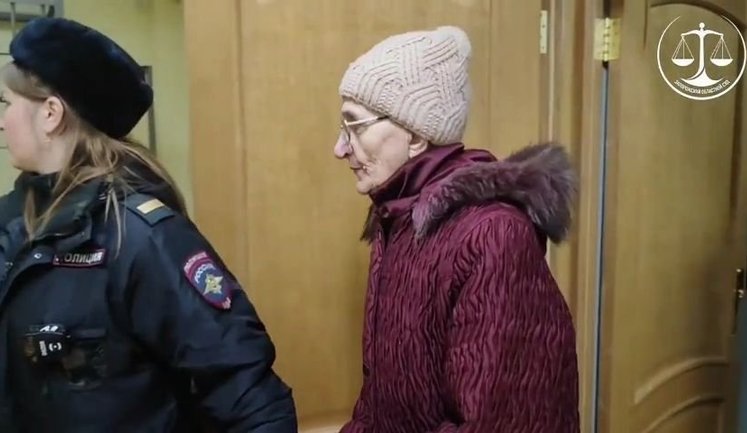
Ukrainian prisoners in Russian custody face dire health conditions. For instance, Halyna Bekhter, a 68-year-old detainee, has lost significant weight and nearly lost her ability to care for herself.
What sentences are common for supporting Ukraine’s Armed Forces in occupied territories?
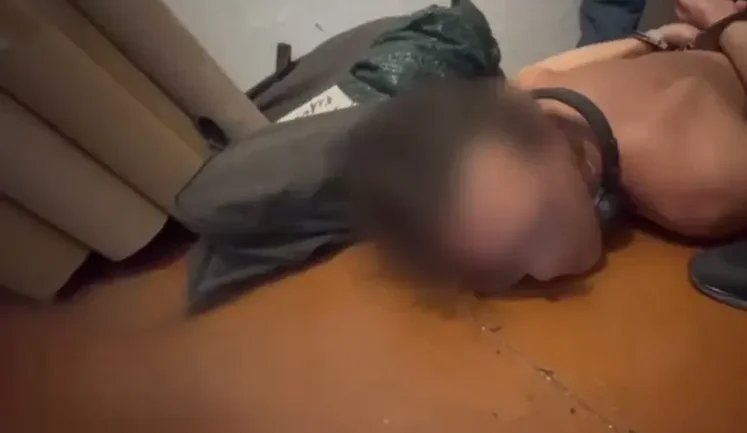
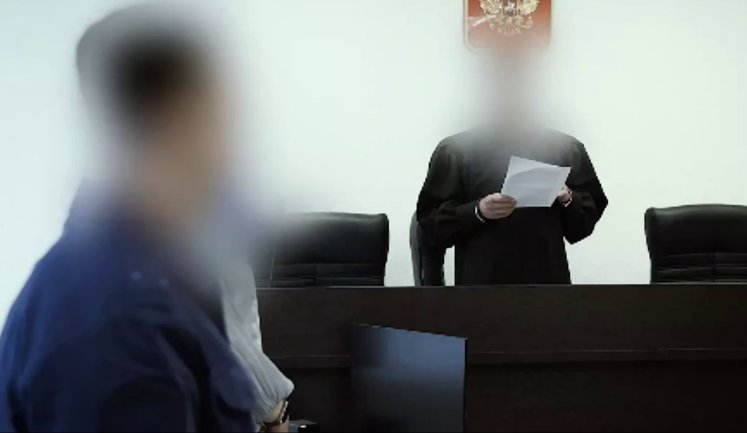
Individuals in occupied territories accused of supporting Ukraine’s Armed Forces face harsh sentences. For example, Nataliia Nadeina from Zaporizhzhia was sentenced to 12 years in a penal colony for treason for her alleged support.
What actions are Russian authorities taking against non-citizens in occupied territories?
In occupied Ukrainian territories, those without Russian passports risk detention in immigration centers, highlighting the pressures on individuals to conform to imposed legal frameworks by the occupying powers.
What measures has Russia employed to control dissent and enhancing repression?
Russia has reportedly increased its security apparatus, enforcing wartime laws, and implementing harsh penalties to curb dissent. These measures aim to sustain control over the occupied territories and suppress any opposition.