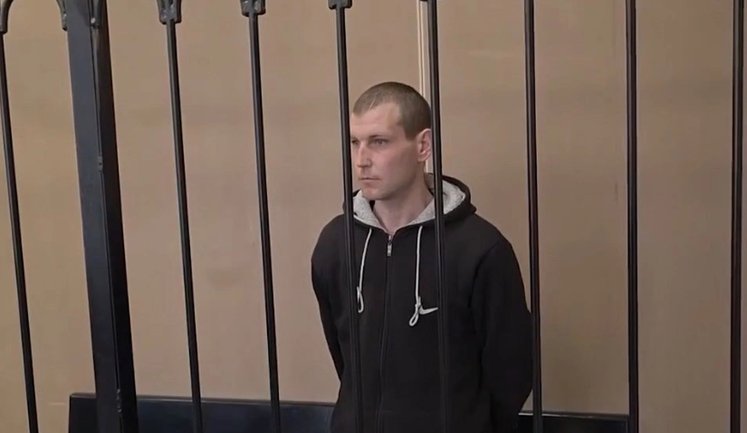
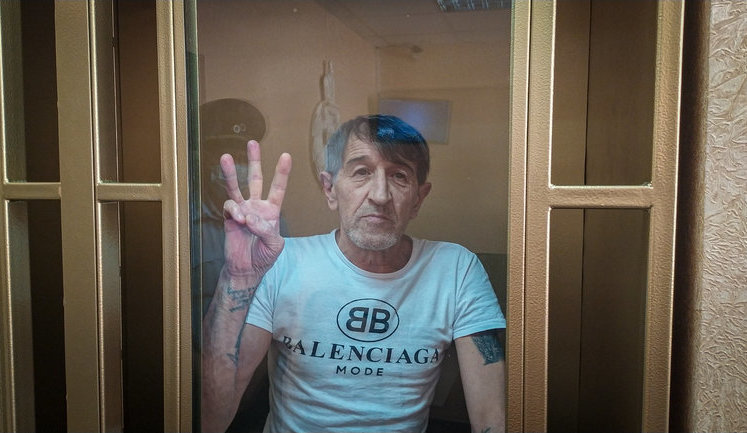
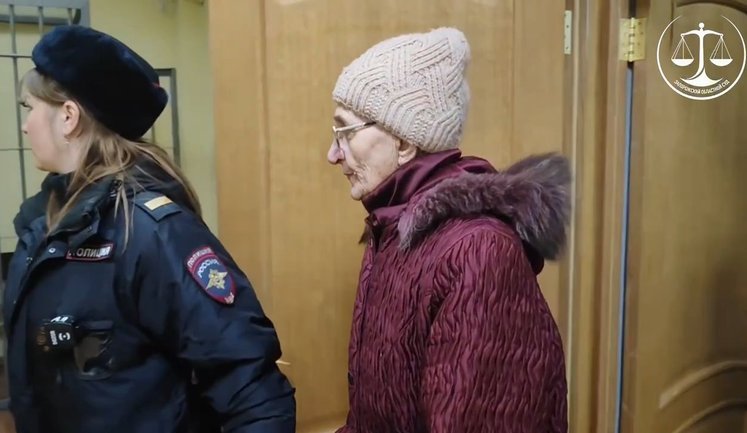
The current landscape of global human rights is underscored by recent acts of repression and persecution. In Zaporizhzhia, Halyna Bekhter, a 68-year-old, was sentenced to 11 years for "high treason". Meanwhile, Venezuela experiences a crackdown post-Maduro's arrest, signifying alarming repressive measures. Belarus, under Lukashenko, faces international scrutiny for the "Belarusian Hajun" case, highlighting the regime's increasing violations. These events, reflecting a surge in repressions worldwide, demand significant international discourse on political imprisonments and human rights violations, emphasizing the immediate need for global action to address these human rights concerns and uphold justice.
What are the key features of global repressions in recent times?
Global repressions in recent times are characterized by increased political imprisonments, government crackdowns on dissent, and violations of human rights. These include events in Zaporizhzhia and Venezuela's actions post-Maduro arrest, revealing a distressing trend of authorities targeting individuals for political beliefs or associations.
How has Belarus been involved in recent human rights violations?
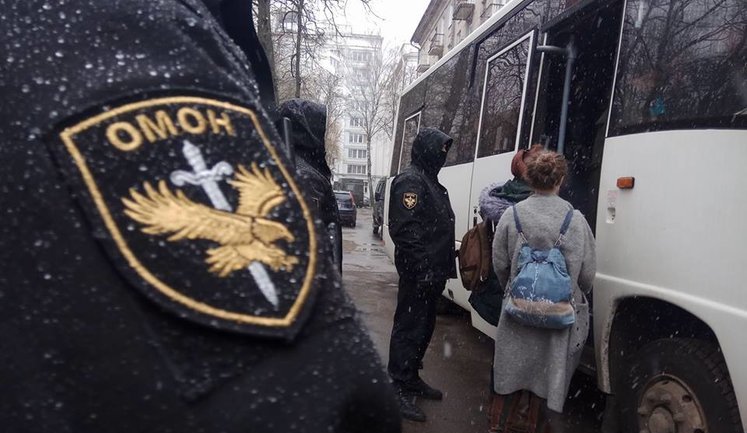
Belarus, under Lukashenko's regime, has been involved in significant human rights violations with the "Belarusian Hajun" case, involving repressions against those opposing the government. These actions have drawn international condemnation and criticism, urging for pressures on the regime to cease such violations.
Why was Halyna Bekhter sentenced to prison in Ukraine?
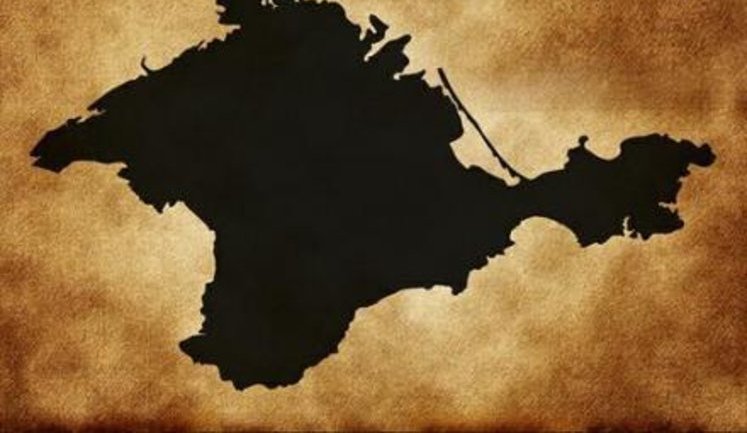
Halyna Bekhter, a resident of Zaporizhzhia, was sentenced to 11 years in prison by Russian occupiers on charges of "high treason" for alleged support of the Ukrainian Armed Forces. Her case highlights the broader issue of unjust political persecutions in occupied Ukrainian territories.
What measures did Venezuela take post-Maduro's arrest?
Following Maduro's arrest by the United States, Venezuela undertook large-scale repressive measures, including the detention of journalists. This reflects the government's attempt to suppress dissent and control the narrative amidst significant political upheaval in the country.
How has international community responded to repressions in Zaporizhzhia and Belarus?
The international community has been vocal against the repressions in Zaporizhzhia and Belarus, calling for increased pressure on authorities to respect human rights and cease unjust imprisonments. Global entities are urged to focus on diplomatic solutions and sanctions to hold accountable those perpetrating these violations.
What role does human rights advocacy play in addressing global repressions?
Human rights advocacy plays a crucial role in highlighting instances of global repressions, campaigning for the rights of political prisoners, and urging international bodies and governments to intervene. Through advocacy, these efforts seek to ensure justice and protection for those affected by oppressive regimes.