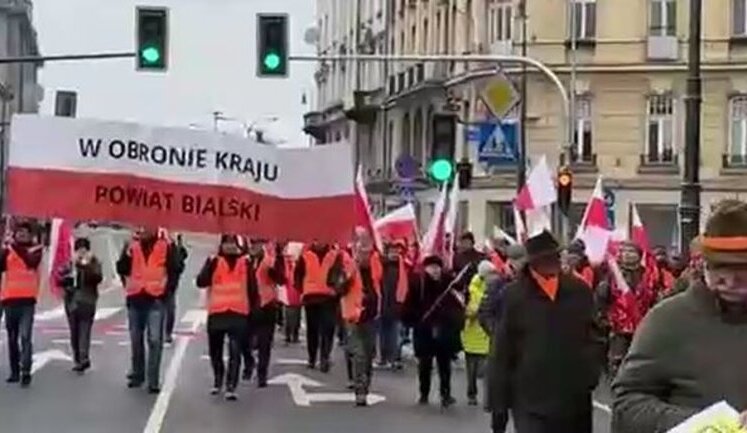
Recent agriculture news highlights the resilience of Ukrainian farmers amidst ongoing Russian attacks, particularly in regions like Dnipropetrovsk and Chernihiv where agricultural machinery and fields have been targeted. Hungarian Prime Minister Peter Magyar declared a ban on Ukrainian agricultural imports, reflecting increasing trade tensions. Poland, too, is setting restrictions while maintaining transit options through Belarus. Ukraine is facing significant challenges, but also opportunities in feeding millions globally, potentially rising from 400 to 600 million people, despite 20% of lands being unfit for cultivation due to conflict. Additionally, moves by the EU and Japan aim at recovery and strategic development in Ukraine's agricultural sector.
What challenges are Ukrainian farmers facing amid ongoing conflict?
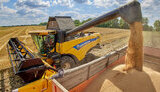
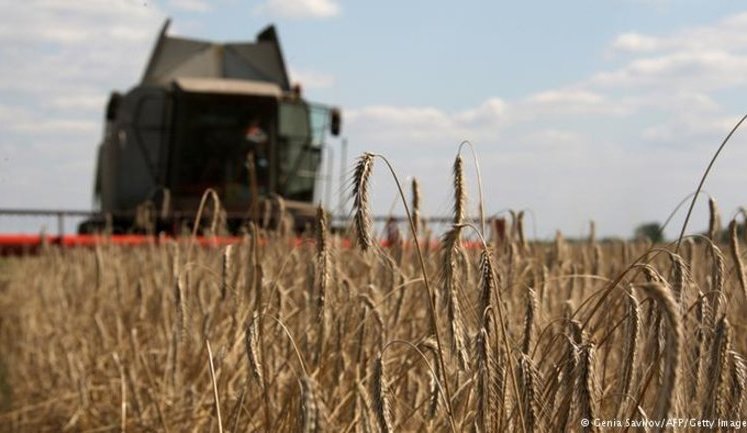
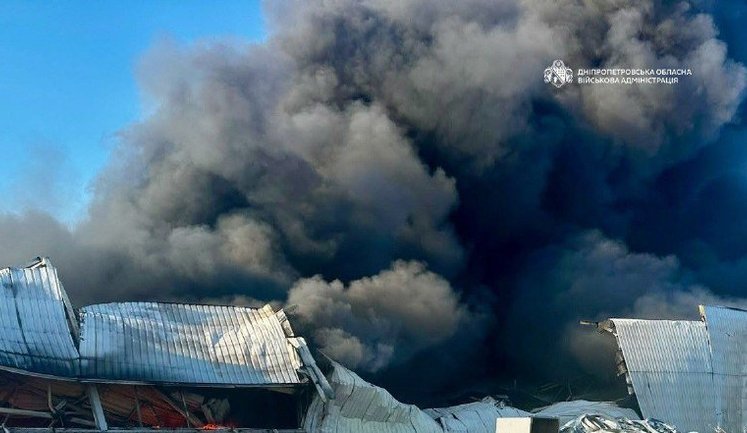
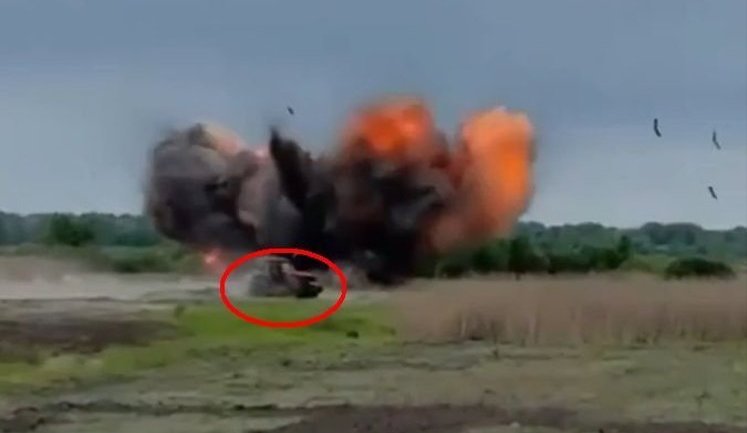
Ukrainian farmers face significant hurdles due to Russian military aggression, which targets agricultural equipment and fields. A notable incident involved Russian forces attacking a town in the Dnipropetrovsk region, igniting warehouses with agricultural machinery. Despite such challenges, farmers persist, demonstrating courage as illustrated by a tractor driver in Chernihiv continuing his work amidst drone explosions.
Why did Hungary ban the import of agricultural products from Ukraine?
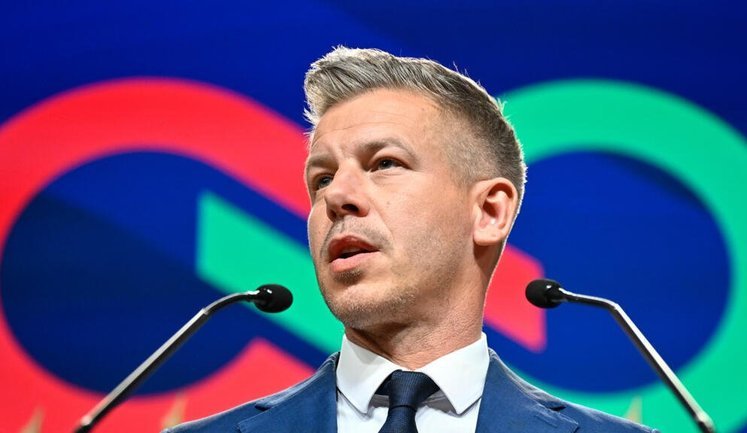
Hungary's government, led by Prime Minister Peter Magyar, instituted a ban on agricultural imports from Ukraine to safeguard its domestic market. This decision mirrors broader tensions impacting EU member states, highlighting complex trade dynamics. Such measures can influence bilateral relations and reflect internal economic calculations regarding food security and agricultural competition.
How does the EU's agricultural trade impact Ukraine?
The EU's stance on Ukrainian agricultural trade is pivotal, influencing export opportunities and market dynamics. Disagreements within the EU over Britain's single market highlight broader trade complexities. Despite these challenges, Ukraine's potential to contribute significantly to the global food supply chain remains strong, as underlined by ongoing negotiations on EU membership and trade regulations.
What is the current state of Ukrainian agricultural land amid the war?
The war has rendered around 20% of Ukraine's agricultural land unsuitable for cultivation, a significant setback for the country's food production capacity. This adverse situation is exacerbated by Russian military activities deliberately targeting farmland to undermine Ukraine's agricultural backbone, a crucial sector that supports both national and global food supplies.
What is the significance of Ukraine's potential to increase its food supply capacity?
Ukraine plays a critical role in global food security, currently feeding 400 million people worldwide. There is significant potential to expand this capacity to 600 million, underscoring the importance of supporting Ukraine's agricultural recovery and development. Efforts by the EU and international partners like Japan aim to bolster Ukraine's strategic position as a vital food supplier and ensure sustainable growth despite ongoing challenges.
How are international relations affecting Ukraine's agricultural sector?
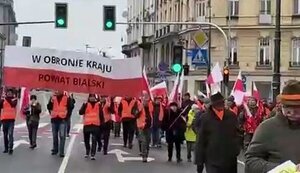
International dynamics, including EU trade policies and regional embargoes, significantly affect Ukraine's agricultural sector. Dialogue with countries like Poland and entities like the EU Commission is central to navigating embargoes and trade restrictions. Assistance from global partners, including Japan, in developing agricultural strategies highlights the sector's geopolitical significance and its influence on Ukraine's economic stability and recovery post-conflict.