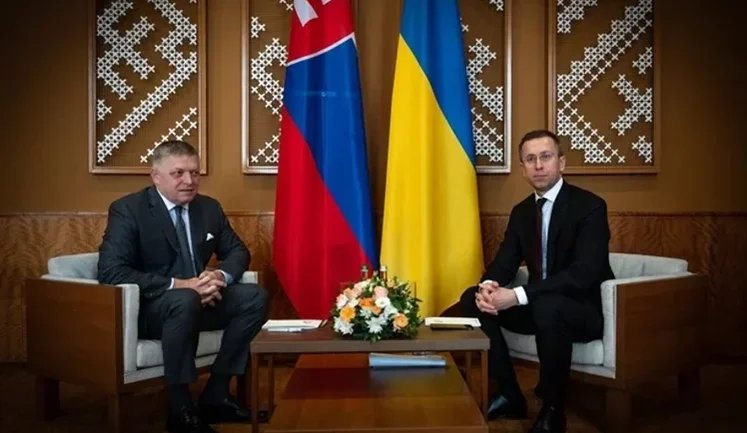
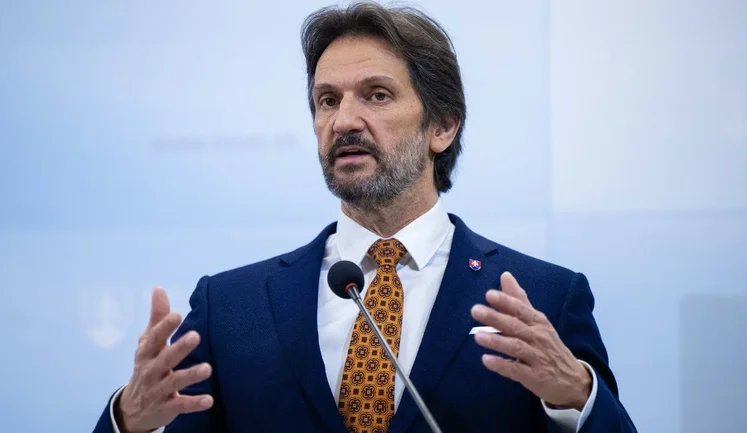
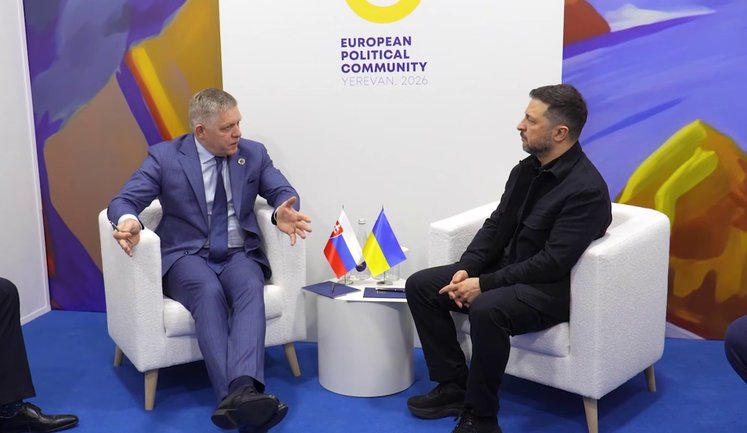
Slovakia has become a pivotal player in the ongoing dynamics between the European Union and Russia. Recently, Prime Minister Robert Fico and other Slovak officials have voiced their concerns regarding EU sanctions against Russia. The Slovak government's position has occasionally caused delays in sanction extensions, highlighting the complex interplay between national interests and EU policies. Despite these challenges, Slovakia remains committed to supporting Ukraine in various capacities, as seen in its recent agreement to join the International Compensation Commission for Ukraine. These developments underline the intricate balance Slovakia maintains between local politics and the broader European diplomatic landscape.
Why has Slovakia opposed extending EU sanctions against Russia?
Slovakia's opposition stems from national strategic considerations and economic interests. The Slovak government has expressed concerns over potential impacts on its energy supplies and economy. Prime Minister Robert Fico has also highlighted the importance of diplomatic resolution over sanctions as a tool in dealing with Russia, emphasizing dialogue rather than confrontation.
What measures has Slovakia taken regarding Russian energy transit?
Slovakia has played an active role in discussions about the transit of Russian oil via the Druzhba pipeline. Recently, Slovakia has pushed for alternative routes and engaged in negotiations to ensure stable energy supplies. These actions reflect Slovakia's need to secure energy sources while navigating EU sanctions against Russia, balancing economic stability with international commitments.
How is Slovakia involved in supporting Ukraine amidst the conflict?
Despite challenges with EU sanctions, Slovakia has shown support for Ukraine through multiple avenues. Slovakia joined the International Compensation Commission for Ukraine, demonstrating its commitment to international law. Additionally, Slovakia has extended temporary protection for Ukrainian refugees, underscoring its humanitarian efforts amid the wider geopolitical tensions.
What is Slovakia's position on Ukraine joining the European Union?
Slovakia has displayed a nuanced stance on Ukraine's European Union accession. While political leaders like Robert Fico have been cautious, citing the need for thorough preparation and internal consensus, other Slovak officials have supported Ukraine's EU integration. This ambivalence reflects broader political concerns and aligns with Slovakia's strategic interests within the EU framework.
How does Slovakia's role influence EU's foreign policy towards Russia?
As a key EU member state, Slovakia's actions and positions significantly impact EU foreign policy toward Russia. Slovakia's leverage stems from its ability to delay or influence decisions on sanctions through diplomatic channels. Slovakia's interactions with Russia and the EU highlight its strategic position within EU politics, emphasizing the importance of regional consensus in addressing security issues.