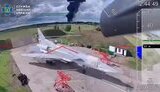
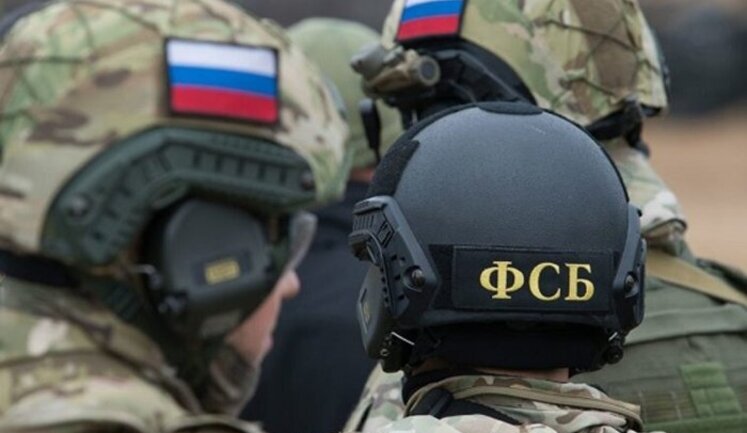
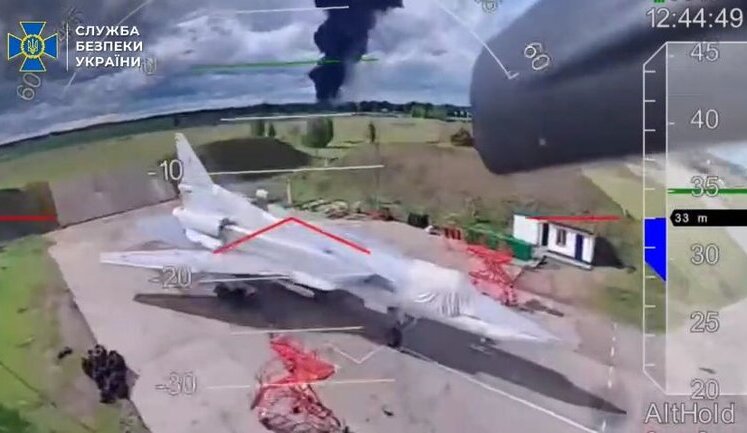
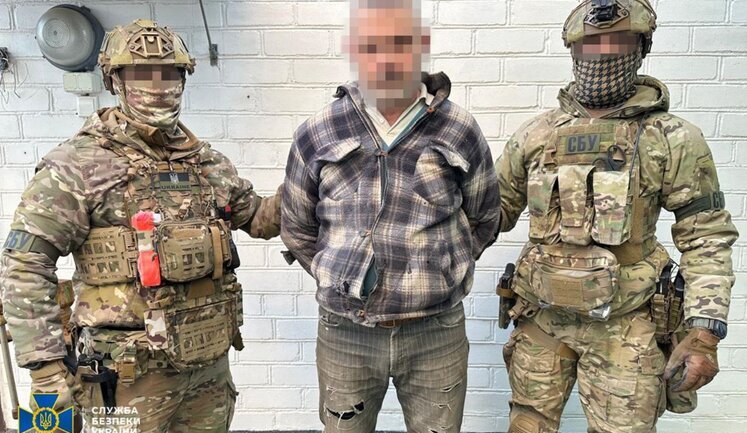
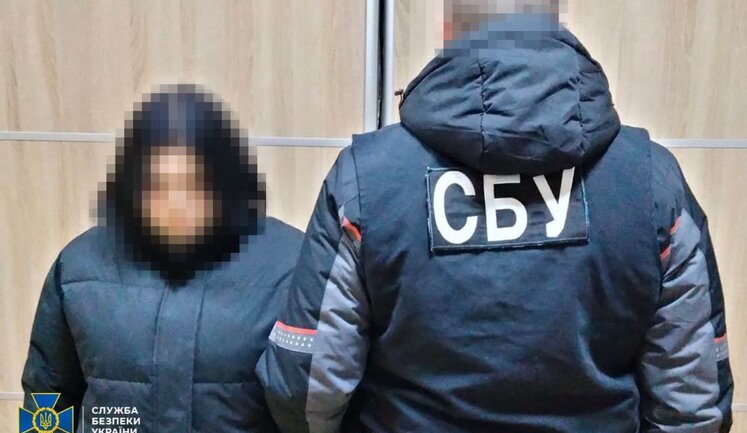
Recent events highlight the escalating activities of special services, particularly those originating from Russia. Following the expulsion of 700 Russian intelligence officers from Europe, Russian authorities have shifted tactics, focusing on recruiting civilians as "disposable" agents via social networks and other community spaces. Meanwhile, the Security Service of Ukraine (SSU) has been actively countering these threats, notably with operations like "Pavutyna" which targeted 41 Russian military aircraft. In Mykolaiv, an SSU operation successfully neutralized a group that was facilitating air strikes, demonstrating Ukraine's steadfast resilience against external aggression. Furthermore, Germany reports increased espionage activities aimed at undermining Western support for Ukraine. As these clandestine maneuvers unfold, they highlight the complex dynamics between intelligence agencies and the ongoing geopolitical tensions.
What are the current espionage activities of Russian special services in Europe?
Russian special services are actively engaging in espionage across Europe. Recent strategies include recruiting civilians through social networks, churches, and other venues. This is part of a broader tactic following the expulsion of numerous agents operating under diplomatic cover. Additionally, diplomats and their relatives have been implicated in acts of sabotage, reflecting a multi-faceted approach to destabilize the region.
How has the Security Service of Ukraine responded to Russian intelligence threats?
The Security Service of Ukraine (SSU) has responded proactively to Russian intelligence threats by conducting significant operations like "Pavutyna," which successfully targeted Russian military assets. Operations have also led to the neutralization of agent groups coordinating air strikes in Mykolaiv and prevented various subversive activities, showcasing the agency’s capacity to manage and counteract foreign intelligence threats effectively.
Why are European countries concerned about Russian special services activities?
European countries are concerned about Russian special services due to their escalated espionage activities and attempts at destabilizing the political landscape. These acts include recruiting civilians for covert missions and leveraging diplomatic statuses to conduct sabotage operations. Such activities are perceived as significant threats to national security and regional stability, motivating closer scrutiny and defensive measures among European nations.
What steps are being taken by Germany regarding Russian espionage efforts?
Germany is actively monitoring and addressing the uptick in Russian espionage, characterized by acts intended to curtail Western support for Ukraine. Measures include increased surveillance, reinforcement of counterintelligence operations, and international cooperation with allied nations to collectively fortify against these subversive efforts. Germany’s vigilance is part of a broader initiative to safeguard national and regional security interests.
How do special services operations impact geopolitical tensions in Europe?
Special services operations profoundly influence geopolitical tensions by exacerbating mistrust and prompting defensive postures among nations. Espionage activities and acts of sabotage foster an environment of suspicion, complicating diplomatic relations and potentially leading to retaliatory actions. This significantly impacts the political stability and security dynamics within Europe, necessitating coordinated efforts to mitigate their effects.